
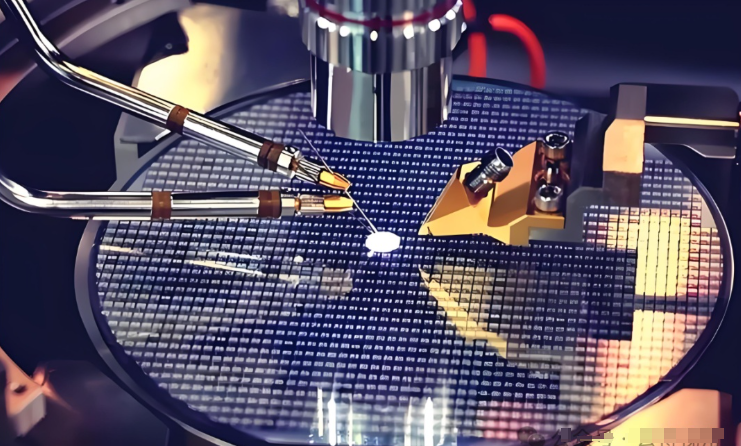
Cutting Carbon in the Fab: Why IR Heating Just Makes Sense
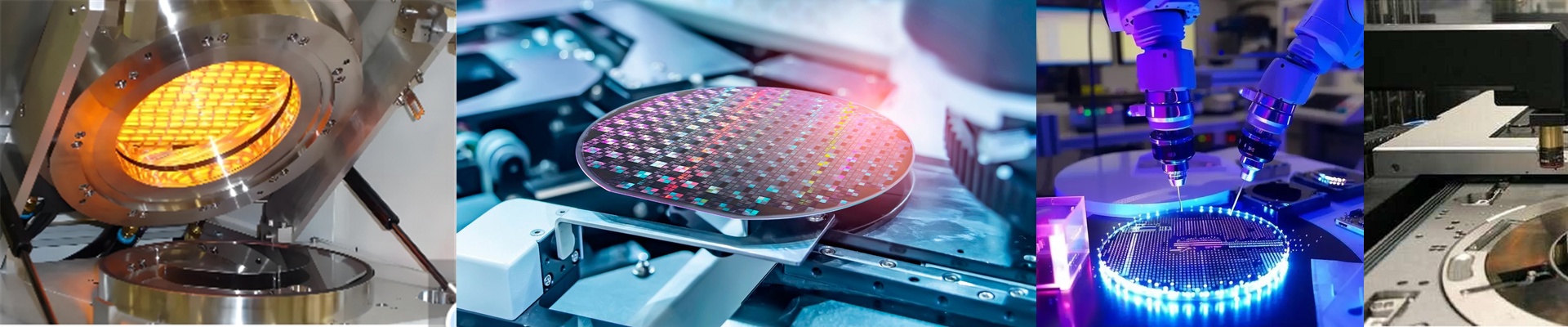
Let’s be honest: a lot of fabs are still clinging to old-school convection ovens or legacy heaters for wafer drying. It’s the way it’s always been done. But the problem is, those systems are energy hogs. They spend half their time heating up the entire air volume of the chamber just to dry a few wafers. It’s a waste of power, plain and simple. We’ve found a better way. By swapping those out for targeted infrared (IR) lamp arrays, we can slash the power draw and actually make a dent in the carbon footprint of the drying stage. The secret is in how the heat moves. Think about it this way: convection is slow. It relies on air to move heat around. IR lamps are different. They turn electricity straight into radiant energy that hits the wafer surface directly. It’s fast. Really fast. We usually go with high-intensity shortwave output, which means the moisture vanishes in seconds. You get the wafers dry without accidentally baking the substrate. Looking at the numbers When we walk through a fab to do an energy audit, two things usually jump out: how long it takes to heat up and how much power is leaking during idle time. That’s where IR really wins. You can flick these systems on and off almost instantly. You don’t have to keep a massive chamber sitting at 150°C just because you’re waiting for the next batch to arrive. No more paying for heat that isn’t actually doing any work. Now, it’s not all magic. I won’t tell you this is a “plug-and-play” fix for every single line. It takes some thought. Because these lamps are so powerful, they create very concentrated heat zones. If your wafer layout is off by even a bit, you’ll end up with hot spots. You also have to be smart about the surrounding gear. We spend a lot of time dialing in the cooling fans and shielding. You want the wafers dry, but you don’t want the nearby electronics to fry. The bottom line for the “Green Factory” At the end of the day, swapping resistive heaters for IR arrays just lowers the kWh per wafer. For a high-volume operation, those savings add up to a massive drop in emissions. It’s a way to hit those sustainability targets without having to tear up the floor and redesign the whole cleanroom. You get your throughput up, your energy bill goes down, and the planet breathes a little easier.