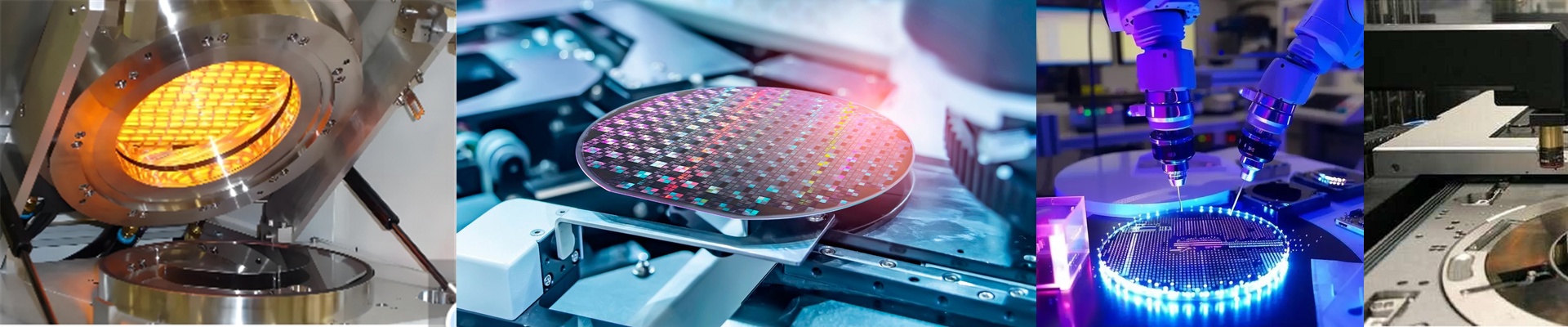

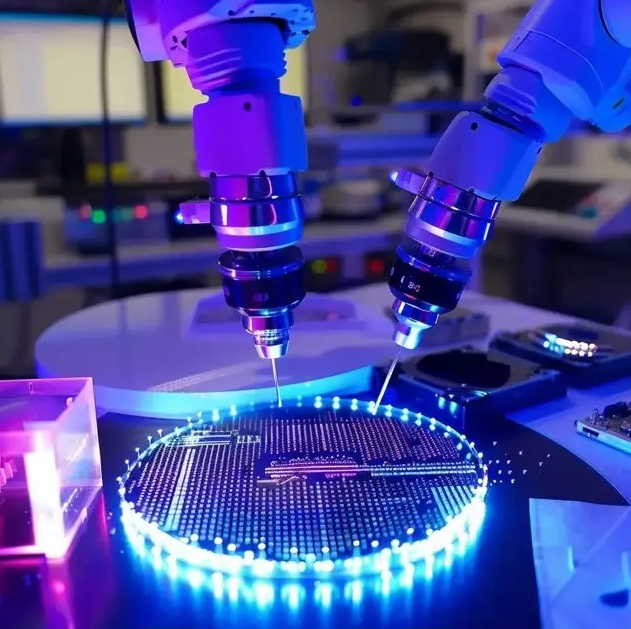
Watch a wafer come off the rinse station. No water marks allowed. The photoresist can’t take thermal surprises. If the dryer can’t hit the right heat profile, yield starts slipping—one more rework, one more lot scrapped. What’s under the hood, technically We built the MEMS sensor wafer drying heater around fast-response, cleanroom-compatible heating elements and a quartz-based thermal design. It keeps wafer-level uniformity within ±0.1°C across the active zone, so your soft bake and hard bake profiles follow the recipe exactly. Particle generation stays at zero by design—sealed construction and low-outgas materials keep counts inside Class 1–100. The controller logs temperature with traceable repeatability, which stabilizes the process window and tightens SPC limits. Energy use is measured, not guessed: lower thermal mass plus efficient insulation cuts kWh without sacrificing stability. Why this matters on the line In MEMS, the drying step sets the baseline for every lithography and packaging step that follows. With this heater, you dry clean—no beading, no water marks—and you keep photoresist integrity by holding consistent ramp and hold profiles. The payoff shows up as fewer reworks, tighter dimensional control on features, and cycle times that stay predictable. It’s built for 24/7 operation, so uptime holds steady and unplanned interventions stay rare. When your thermal budget is tight, this unit keeps the process in spec, batch after batch. What you need to plan for Installation means matching the tool port and gas-line interface. We provide dimensions and fitting specs, but you still need to verify clearance against your wet bench layout. The heater hits setpoint fast, but the chamber and carrier mass still need a short thermal soak before you can call it good. Treat it like cleanroom gear—don’t touch heated surfaces, and stick to ESD and contamination controls. Switching recipes takes a quick tune-in. Once you dial it in, the process settles into something repeatable—and auditable.