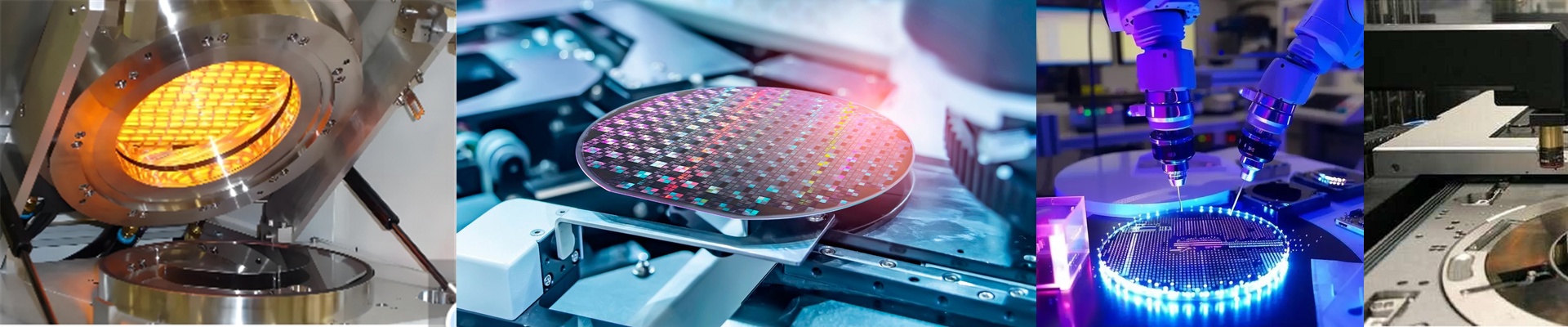


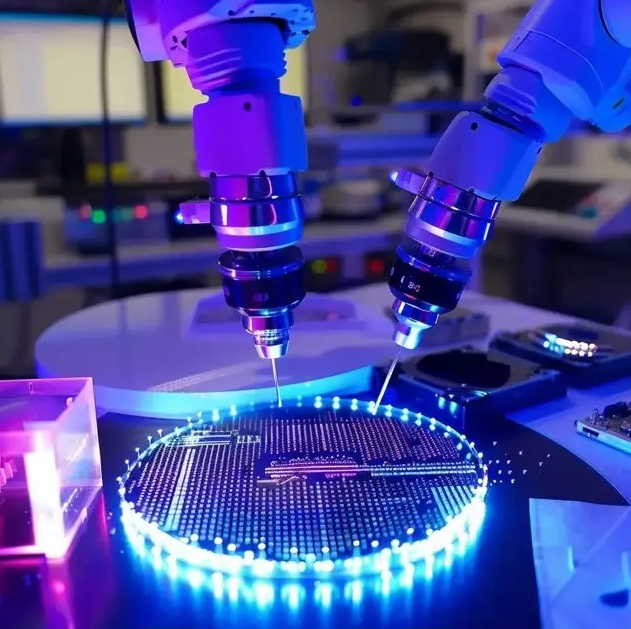
On the litho floor, a half-degree drift in soft bake isn’t a “tolerance.” It’s a scrapped wafer. Photoresist drying lives and dies on thermal discipline, and the infrared module is the hinge point where yield gets made—or lost. What actually matters under the hood We run an infrared photoresist drying module that keeps wafer-level thermal uniformity within ±0.1°C, and it holds bake profiles repeatable lot after lot. The emitter choice is deliberate: near-infrared, because it gives you fast, penetrating response with tight spectral control. That keeps thermal lag and overshoot off the table. The system is built for Class 1–100 cleanrooms and engineered for zero particle generation, verified with in-situ particle monitoring. It’s meant to run 24/7 with no unplanned downtime, and the service window is timed to fab changeovers. Why this matters in photoresist processing Photoresist is unforgiving. Soft bake sets solvent removal. Hard bake locks in adhesion and critical dimension stability. With this module, you stabilize the thermal budget, cut solvent retention, and reduce rework from footing and scum. The payoff is tighter CD control, fewer defects, and a cycle time you can plan around. Energy drops too—IR responds fast, so you shorten bake steps without blowing the profile, which lowers cost per wafer. What you need to get right on install Integration comes down to matching the oven chamber footprint and confirming voltage and connector compatibility—240 V is typical for the high-current path. The module needs clean, dry cooling and a cleanroom-rated mounting interface. Commissioning is short, but it matters: you tune emissivity and scan speed to your resist stack. Once it’s dialed in, the process stays locked. But make no mistake—initial setup isn’t plug-and-play.