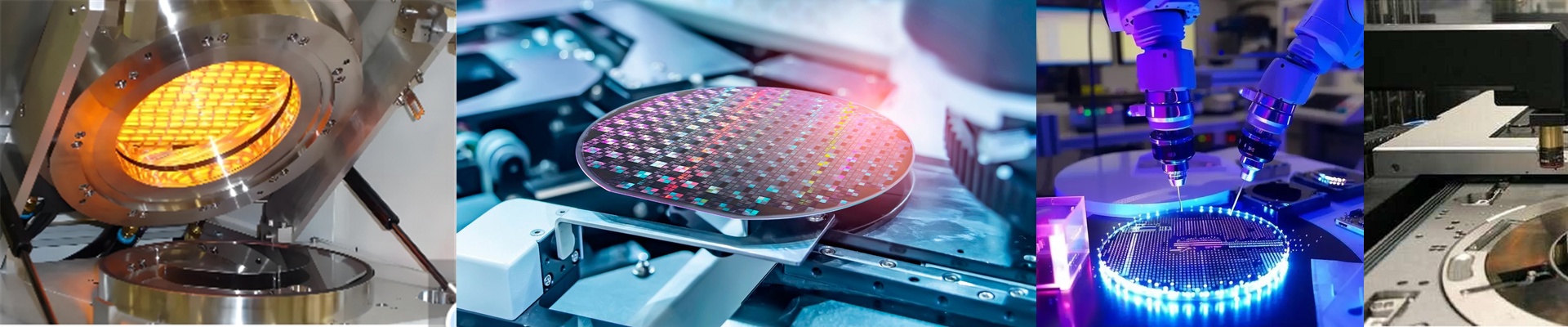
On the lithography floor, a support heater going down during photoresist stripping stops the line cold. Wafers start piling up with residues, scrap climbs, and the scheduler is suddenly in a bind. You just need thermal control that doesn’t make you sweat. What matters, technically Our photoresist stripping support heaters hold wafer-level temperature uniformity within ±0.1°C across the active zone, and they keep setpoint stability through the bake and strip sequence. Quartz elements and controlled short-wave infrared paths heat the target only, so you don’t get thermal bleed into chamber fixtures. The assembly is built for cleanroom Class 1–100, using low-outgassing materials and a surface finish that keeps particle counts flat. In multi-shift ops, you can count on 24/7 reliability with zero unplanned downtime, and repeatable temperature profiles that keep critical dimensions on spec. Why it holds up in real processing Stripping performance lives or dies on consistent thermal budget. Stabilizing the support temperature makes solvents and plasma strip chemistries work uniformly, which cuts residues and post-strip defects. Soft bake and hard bake come in tighter, too. That improves line-width control and lowers rework. The upshot is higher first-pass yield, fewer excursions, and less energy burned—thanks to faster ramp settling and less overshoot. What you need to plan for The heater drops into existing strip chambers and support platens, but the interface has to match the mechanical and thermal anchor points exactly. Set aside a short commissioning run to tune the PID and confirm the profile against your resist stack. Operating life depends on atmosphere and duty cycle. If you’re running high-power duty, put periodic quartz inspection on the calendar to keep uniformity where it should be.