


Why We Burn In Every Single Heater—No Exceptions
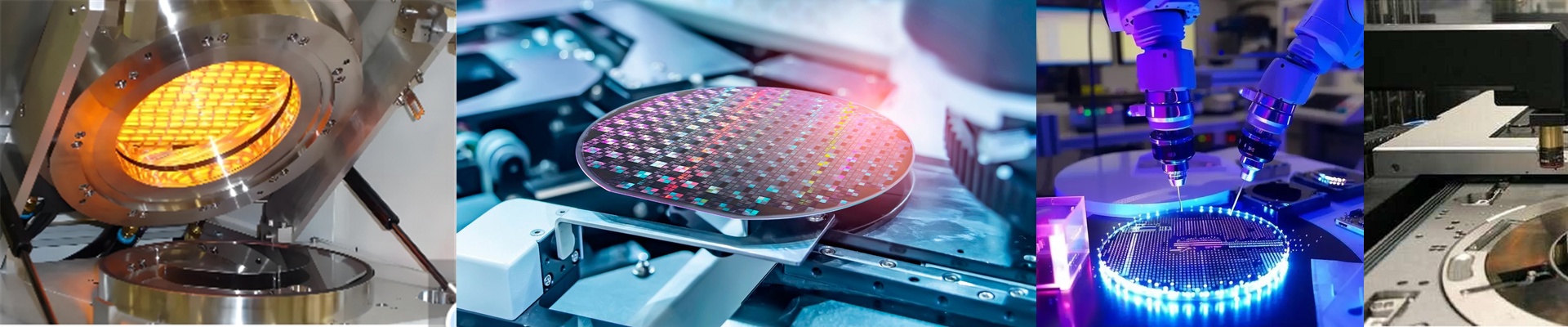
When you’re running a production line, a single lamp failure doesn’t just slow things down. It stops everything. We get that. That’s why every heater we ship gets put through a full-power burn-in test before it ever leaves our shop. This isn’t us checking a box. It’s a core part of how we build these things. The test runs the heater at full wattage for a set time, and it catches the early failures—the shaky solder joints, the borderline parts, the filaments that aren’t quite right. Spot checks miss that stuff. We don’t. The payoff for you is simple: your thermal performance is stable from day one. No surprises when you’re in the middle of a critical drying cycle. You just get consistent heat, when you need it.
Built to Take the Heat
At the heart of our clothes drying heater is a halogen-filled quartz tube. It lets the filament run hotter and brighter, which gives you that intense shortwave infrared that cuts right through fabric. And the halogen gas cycle helps protect the filament, so the lamp lasts longer and keeps its output steady. We also chose connections that can handle real work. The R7s base gives you a solid, two-point contact that carries high current without overheating. It’s a standard fit, so swapping one in is straightforward—no hassle. The quartz coating is there for a reason, too. It reflects heat forward, focusing the energy where you need it and keeping the surrounding housing from getting too hot.
What This Means in the Real World
Clothes drying needs a lot of heat in a small space. Our heater delivers that, but here’s the trade-off you should know: more power means more heat. A 2500W tube running wide open will raise the local temperature—no way around it. So your cooling system has to be up to the job. And yeah, burning in every unit costs us time and money. We accept that because it saves you headaches later—fewer service calls, less downtime. You get a heater that hits its spec, wires up clean, and holds its output even under heavy, continuous use. That’s the kind of reliability you can count on when the line is running and the pressure is on.