
Introduction
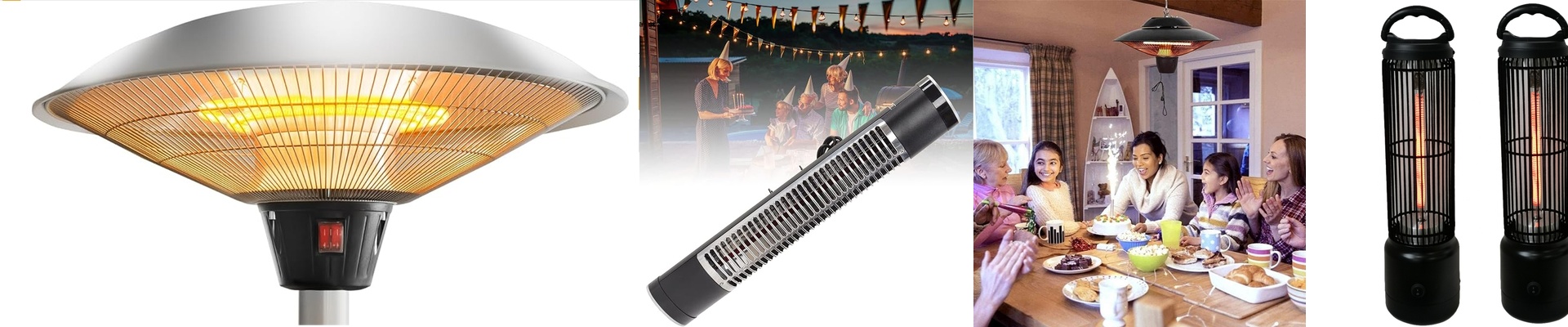
We built this wall-mounted infrared heater for one simple reason: to get heat exactly where you need it, fast. Forget warming the whole air. This is direct, focused energy—designed for the tough, real-world conditions of an industrial space. And if you’re working across borders, our export models are built to plug right into global electrical systems, delivering the kind of heat punch that demanding jobs demand.
The Power Behind the Heat
At the heart of this unit is the halogen heating tube, built for serious intensity. We run it on a 400V high-voltage setup, which means you get a lot of power through standard industrial wiring without drawing crazy amounts of current. That keeps your wiring manageable and cuts down on voltage drop, even over longer runs. We match the tube length to the wattage to give you the perfect heat footprint. Take our compact 300mm tube—it still packs a 2500W punch, creating a tight, concentrated zone of heat. Perfect for spot heating or curing a specific point on a production line. The wall mount keeps it out of the way, but make no mistake—the power density is huge.
What It’s Made Of
We use a quartz tube filled with a halogen gas blend. That chemistry lets the filament run at extreme temperatures without the tube blackening over. The payoff? Consistent light and heat output over the life of the lamp—way more reliable than standard incandescent elements. The tube also has a reflective coating. This isn’t just for looks. It pushes infrared energy forward, so you don’t waste heat to the back and sides. For installation, we go with the R7s connector. It’s a tough, two-pin design built for high heat, and it makes replacing the tube a simple, tool-free job when maintenance day rolls around.
Built for Real Work
This setup was made for engineers who need to heat a target, not an entire room. It shines for curing coatings, drying paint, pre-heating plastic parts, or even thawing frozen pipes in an industrial setting. The wall mount keeps it out of the way, while the focused beam puts the heat right where you aim it. Now, here’s the trade-off: concentrated power like this creates serious localized heat. So your machine or process needs proper ventilation or cooling to handle the extra ambient warmth. But if you want pure, directional heat that just works? This design is straightforward, dependable, and proven in the field.