

Introduction
When you’re building an electric heater for a lab that needs precision, the first thing you care about isn’t wattage. It’s stability. Our 12V and 24V heaters were made for places where controlling the infrared spectrum isn’t optional—it’s mandatory. They give you clean, controllable heat for test chambers and analytical gear, so your results are repeatable. No electrical noise. No thermal drift. Just steady, reliable warmth you can trust.
The Real Reason We Use 12V and 24V
In a lab-grade heater, voltage isn’t a detail you tack on at the end. It’s the foundation. We offer 12V and 24V because low voltage gives you tighter control over power delivery—and it’s kinder to sensitive instruments. In a test chamber, you want predictable heat-up behavior, not sudden spikes and dips that mess with your data. Plus, lower voltage simplifies wiring and makes integration easier when you’re working with tight spaces. When every millimeter matters, that simplicity is a relief.
What’s Inside Matters
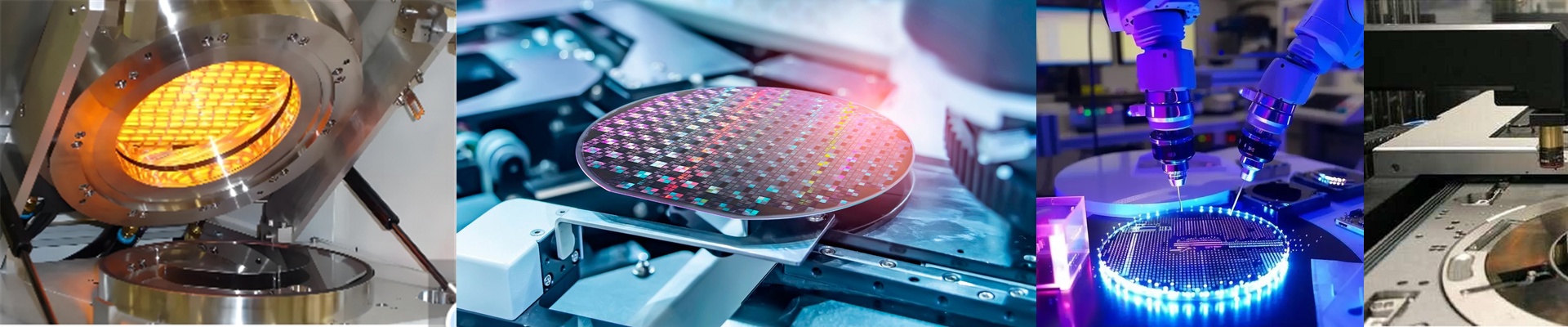
Infrared performance comes down to two things: the element and the envelope. We pair a high-purity quartz envelope with carefully tuned filament geometry. The result? A stable infrared output profile that behaves the same, run after run. Quartz handles rapid temperature changes without cracking, and it stays optically clear, so the heat path stays consistent. Inside, the geometry is shaped to keep output even across the target area—no hot spots, no cold edges. If you’re running long cycles, that stability is the difference between data you can stand behind and data you have to throw away.
Where It Shines (And What to Plan For)
These heaters were born for scientific testing—think spectral analysis, environmental simulation, and controlled heating inside sealed chambers. With the 12V/24V platform, you can match the heater to the power you actually have, without oversizing the supply. Here’s the trade-off: low-voltage systems carry higher current, so you need to plan your wiring, fusing, and connectors for the full load. Do that upfront, and the heater behaves like a precision instrument, not just a hot component. Plan the current path, and the whole system feels calm, predictable, and ready to work.