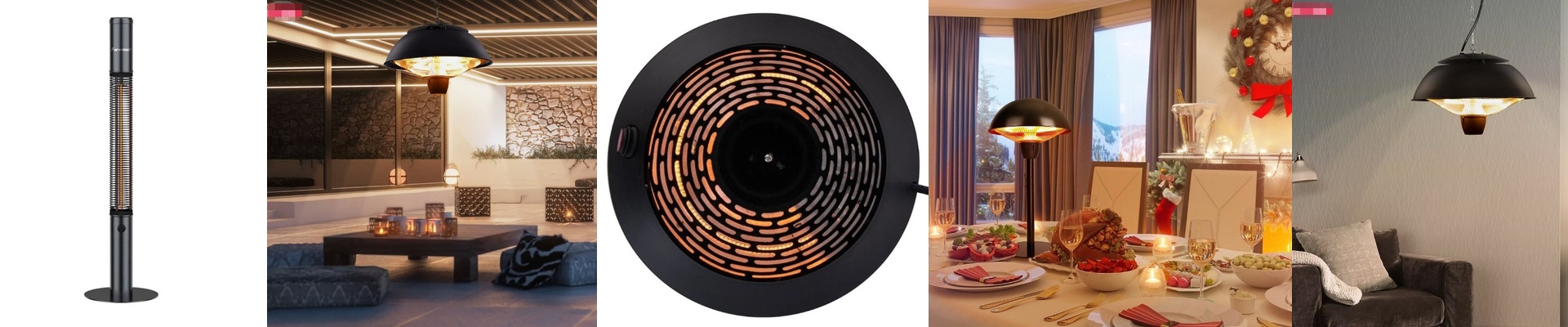
The real measure of a smart electric heater isn’t just how toasty it feels when it’s running—it’s how fast it reacts when your plans change. In a smart-home setup, comfort and savings come from responsiveness, not from running the heater longer.
What’s under the hood
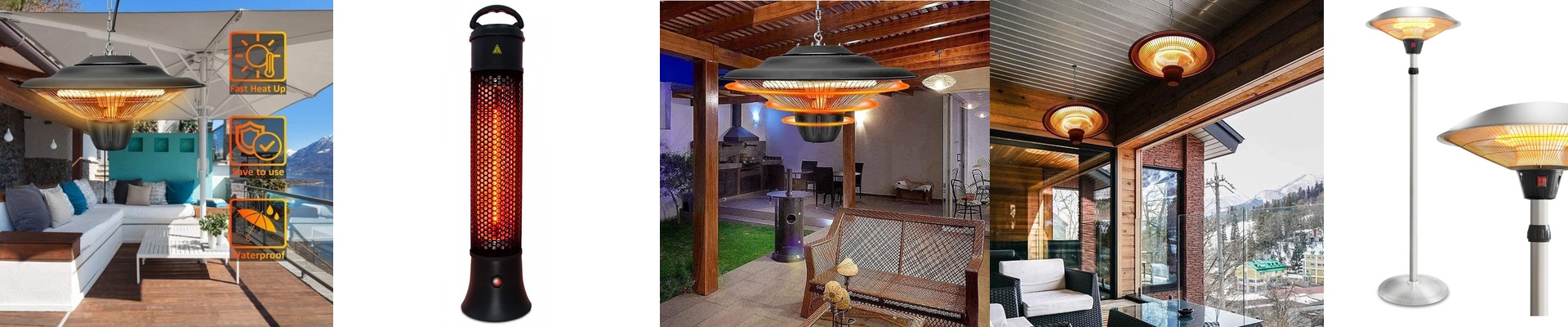
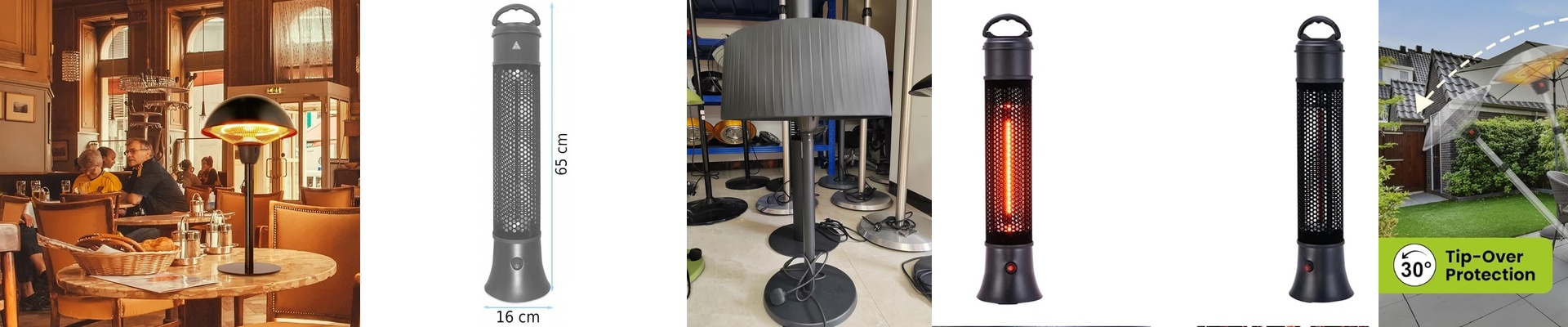
We built our smart electric heater around an infrared element with low heat inertia. In plain terms, the core hits operating temperature almost instantly, delivering radiant warmth without waiting on a big thermal mass to heat up. That gives you quick, direct heat that plays nicely with smart thermostats and occupancy logic. The element stays efficient even during short duty cycles because it isn’t wasting energy heating unused mass.
Why that matters in practice
Low heat inertia is what makes a smart home feel intuitive. When the system knows you’re home, the heater delivers warmth fast. When it senses you’ve left—or the sun is doing the work—it can cut power without a long lag. That responsiveness trims total energy use, often without giving up comfort, because the heater isn’t constantly chasing a slow-moving temperature swing. In living rooms, bedrooms, and enclosed patios, you feel it as steadier comfort and a quieter monthly bill.
Practical notes
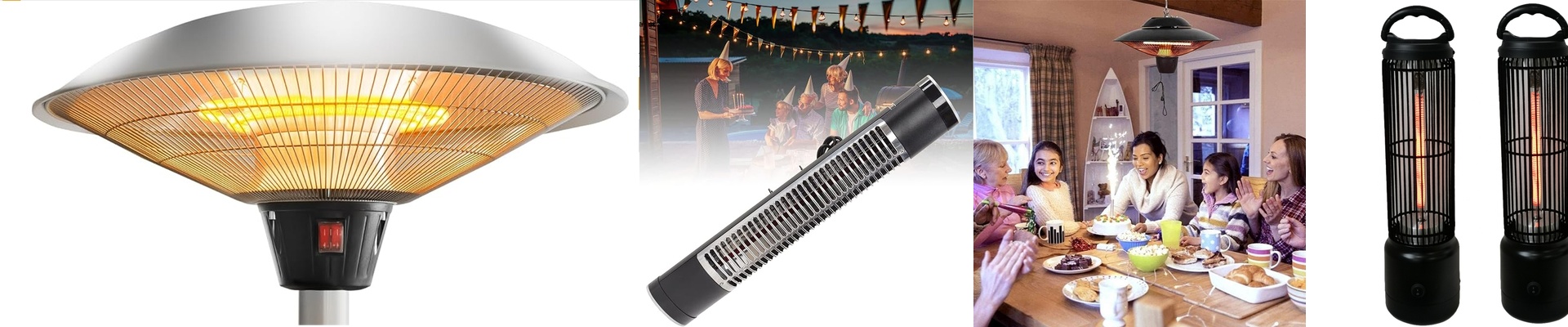
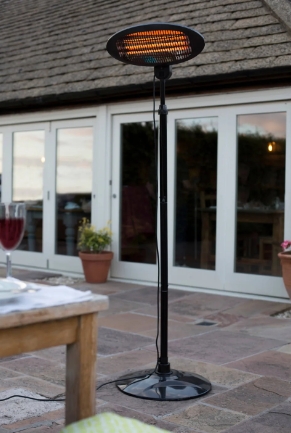
This heater is designed for smart control, but placement still matters. Radiant warmth works best when the unit has a clear line of sight to the people and seating you’re trying to heat. Because it heats quickly, it’s ideal for intermittent use in well-insulated spaces. Keep the path clear, don’t cover the front grille, and pair it with a thermostat that can keep up with an infrared heater’s response. That’s how you get the cleanest energy savings.