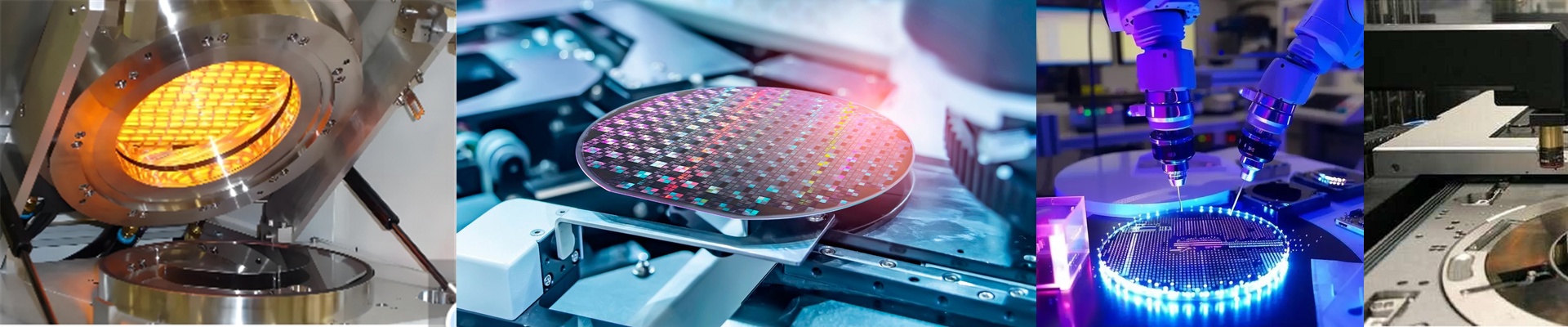

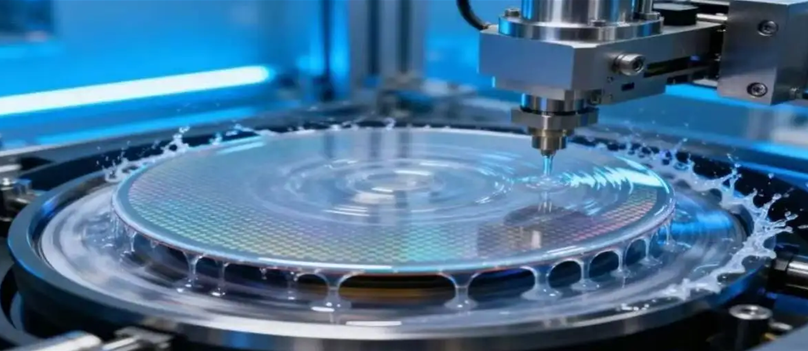
On the fab floor, that 2-inch sapphire wafer is sitting under the lithography track, waiting on a Soft Bake. You need 110°C across the entire surface, not just what the thermocouple reads. Anything lower and the photoresist profile drifts. Push it higher and you’re burning into your thermal budget.
What actually matters, technically
The heaters we use for sapphire wafer processing are short-wave infrared (SWIR) quartz emitters. They dump heat directly and fast, with very little thermal inertia. Wafer-level uniformity holds at ±0.1°C across the chuck, and shift-to-shift repeatability stays within ±0.2°C. The platform is compatible with Class 1–100 cleanrooms, and the parts are chosen so particle generation stays at zero during steady-state running. You get 24/7 reliability with no unplanned downtime, and the photoresist bake profiles are repeatable enough to keep line width control locked down.
Why this approach sticks on sapphire
When it comes to wafer drying, the SWIR energy breaks surface tension quickly, so the drying step finishes faster—without leaving a watermark. In photoresist processing, the same heater runs both Soft Bake and Hard Bake with tight temperature control, so adhesion and curvature stay consistent across the lot. That translates to faster cycle times, lower energy per wafer, and fewer reworks. With sapphire substrates, the thermal response is stable enough to protect the crystal structure while still clearing solvents and setting the resist the way you need.
The practical details you can’t skip
The heater integrates cleanly, but it needs a dedicated power feed and clean, low-vibration mounting to keep that uniformity where it should be. There’s a short warm-up settling period before the setpoint locks in. And plan the chuck interface carefully—matching the pocket geometry and the emissivity of sapphire is what keeps the numbers honest in production.