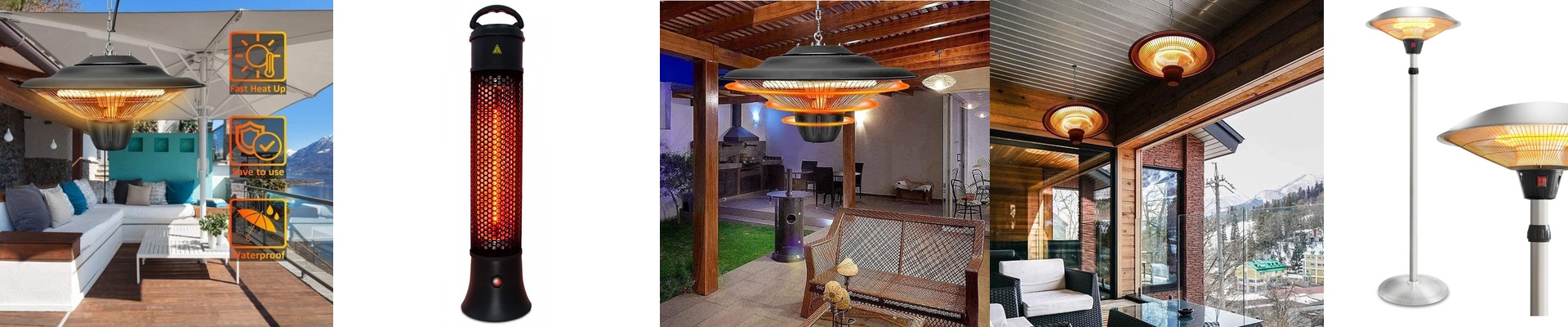
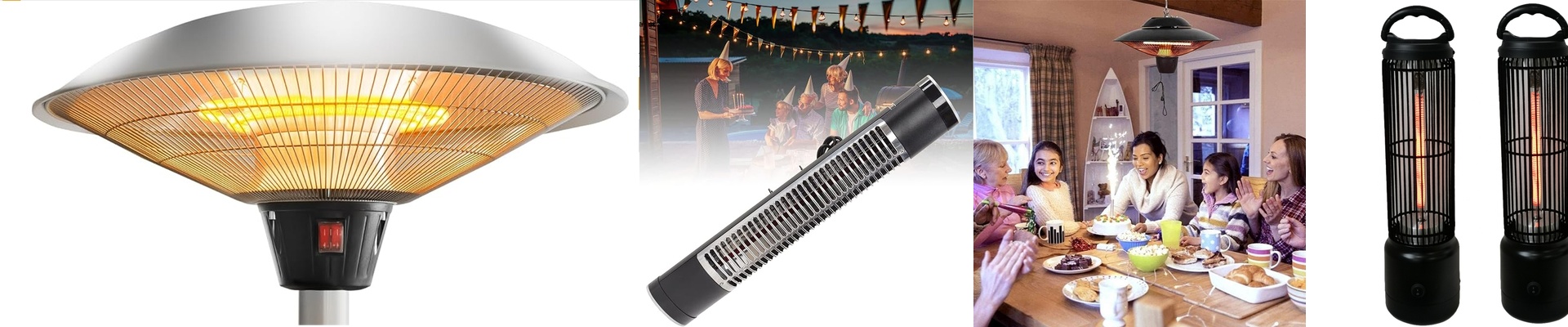
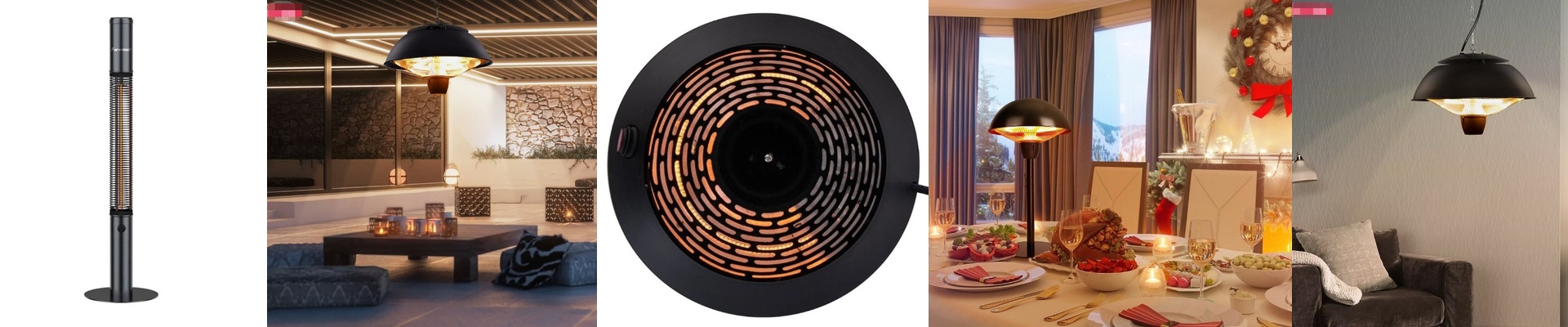
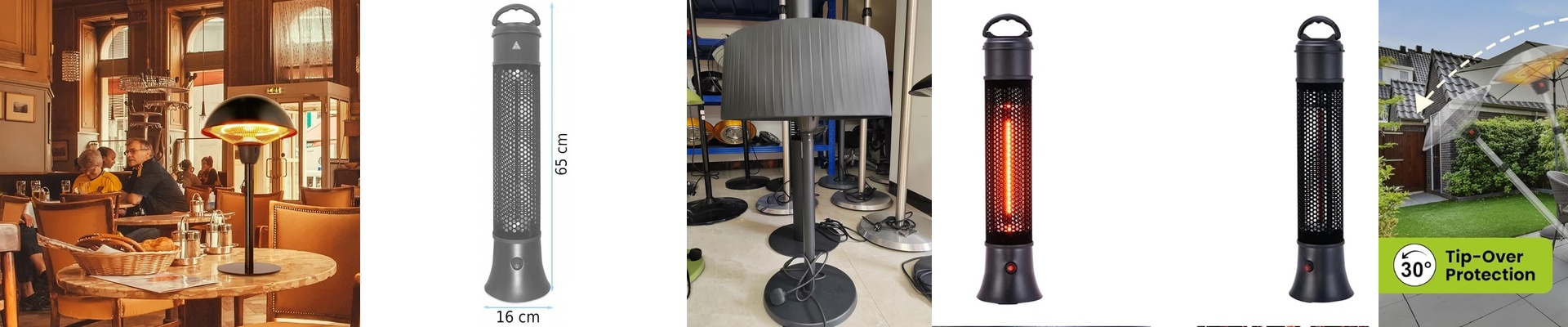


After spending time in 2,000 European homes, the same concern kept coming up: how to keep a nursery cozy without drying out the air, without drafts, and without the constant racket of a fan heater. Parents wanted warmth that comforted the baby—and gave them some breathing room, too. That fieldwork is what steered our approach to infrared warmth for the baby room.
What matters under the hood
Infrared doesn’t heat the air—it warms people and objects directly. That’s why the room feels warm faster and holds that warmth longer. In this nursery heater, a carbon fiber element delivers gentle radiant heat with a quick response and even coverage. The unit runs quietly, with no loud fan cycles to disturb sleep or naps. For control, a thermostat keeps things steady, and tip-over protection shuts the heater off if it gets bumped. It’s electric, plugs into a standard outlet, and is sized for small rooms. The footprint is compact, so you keep the nursery layout open and flexible.
Why this approach fits a nursery
Nurseries are fussy spaces. Cold floors make playtime miserable, and sudden temperature swings can startle a baby awake. Infrared warmth starts at the floor and surfaces, so the room feels even from toes to cheeks. Because you’re not blasting air and reheating it, humidity stays more balanced—handy in dry winter months. The upshot is a steady, gentle feel that lets you focus on the bedtime routine instead of wrangling the thermostat. And it keeps the room comfortable even when the door opens and closes.
What to keep in mind
Give the heater clear clearance, and keep it away from bedding, curtains, and toys. Depending on your home’s insulation and the room size, it can run as the primary heat source for the nursery or as a supplement to central heating. For full comfort, pair it with a room thermometer and adjust the setting gradually. If you’re moving it between rooms, unplug and let the element cool first. The exterior stays warm while it’s running, so handle it with care during operation.