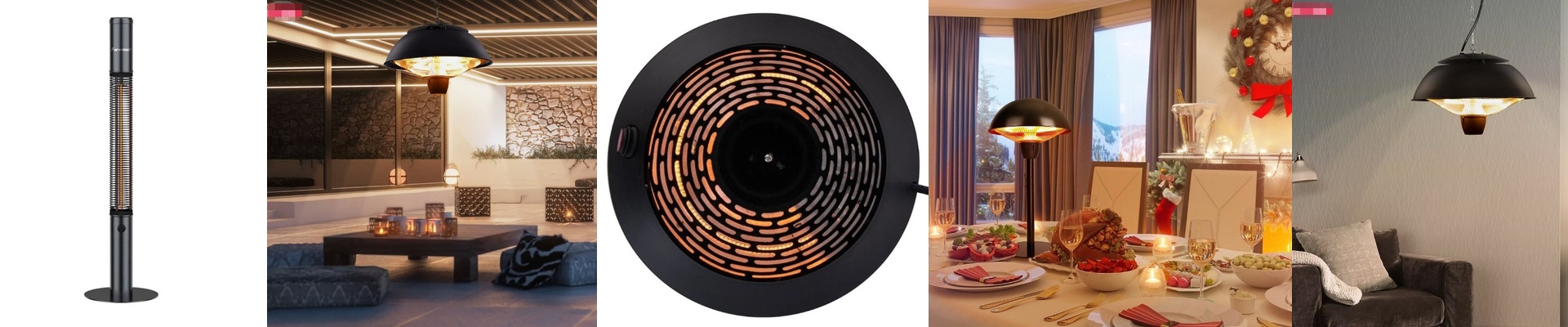
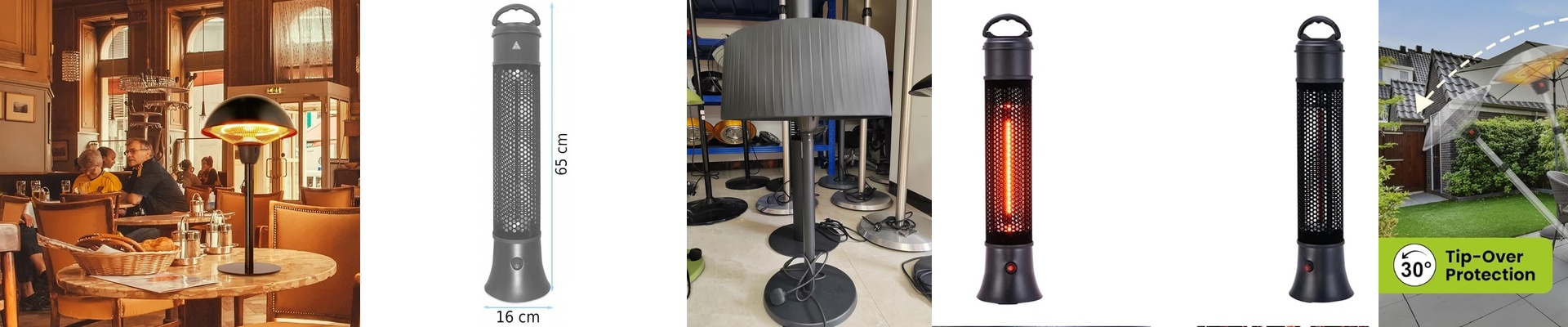
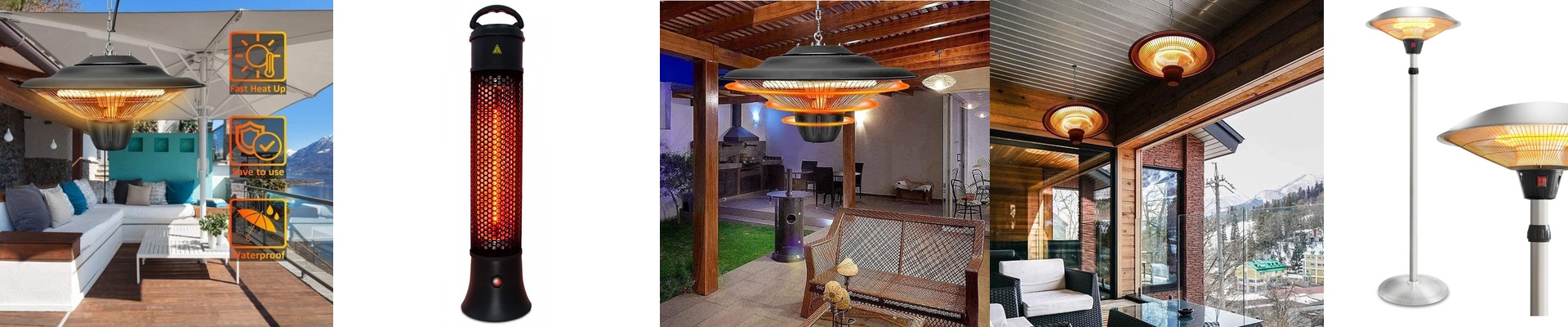
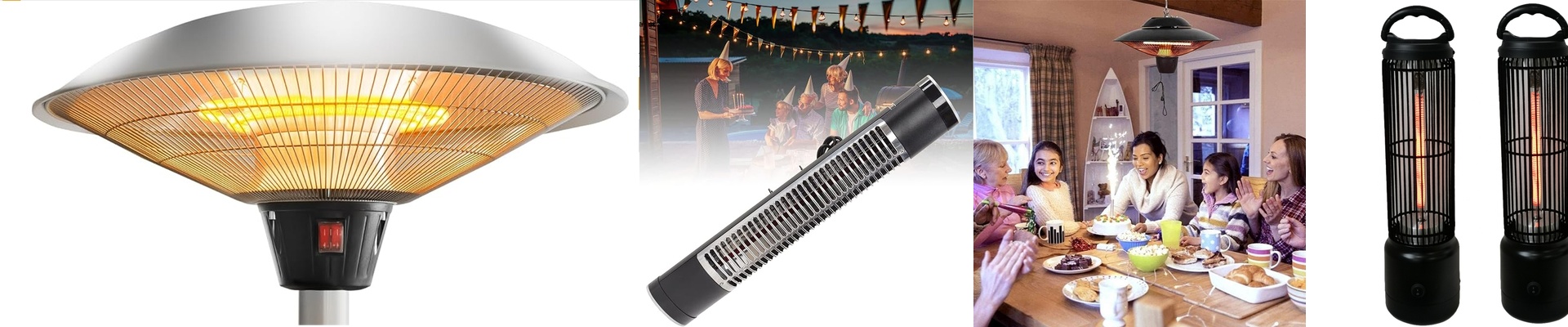

Ever step away from an infrared heater and notice the room still feels warm? That lingering comfort isn’t luck—it’s just how radiant heat works. We build our low-wattage infrared heaters to lay down steady infrared warmth that gets soaked up by floors, furniture, and walls, then quietly radiates back into the space. Even after the unit shuts off, those surrounding surfaces keep releasing stored heat, stretching comfort without spiking your energy bill. What we focus on, technically These heaters are built around efficient carbon fiber elements paired with quartz tubes, tuned for low-wattage operation. They don’t chase warm air around the room; they emit targeted infrared warmth that travels directly to people and objects. The payoff is immediate comfort and fewer drafts. Add in precise thermostat control and tip-over protection, and you get responsive performance without overheating concerns. The low draw means you can run the unit longer on standard outlets—handy for indoor corners or sheltered outdoor spots. Where this shines in practice In living rooms, workshops, and covered patios, the real payoff is consistent comfort. The radiant heat warms you first, and the surrounding environment turns into a quiet thermal reservoir. You get steadier warmth, fewer cold spots, and less temptation to crank the main thermostat. For homeowners, that translates to lower running costs and fewer temperature swings. For outdoor evenings, it means staying comfortable longer without the harsh glare of a flame heater. The things you’ll want to keep in mind Radiant warmth does its best work when the heater has a clear line of sight to people and objects. Walls, curtains, and furniture will absorb and re-radiate heat, so placement matters. Also, infrared warmth feels immediate, but rooms with high air leakage can still feel drafty at the edges. Aim the heater toward the primary seating area, and consider pairing it with a draft-blocking solution for the cleanest results.