
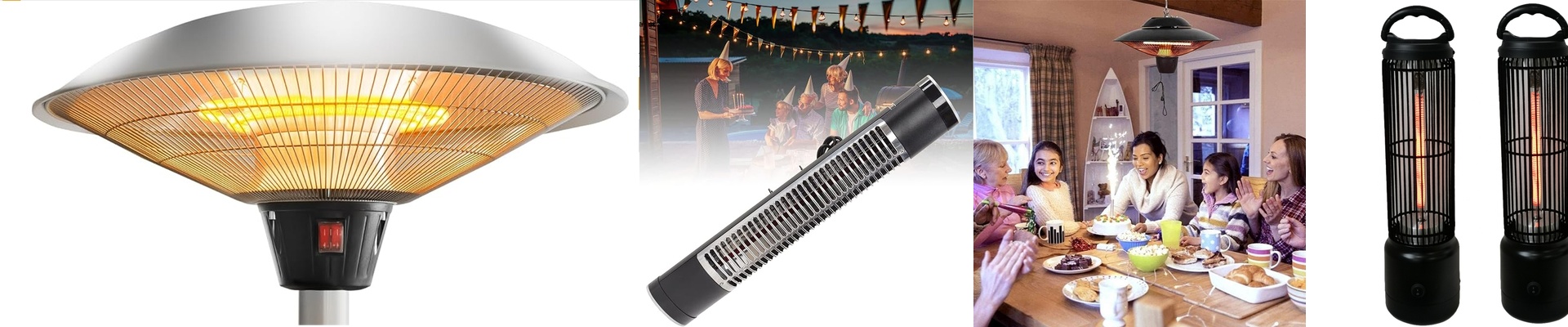

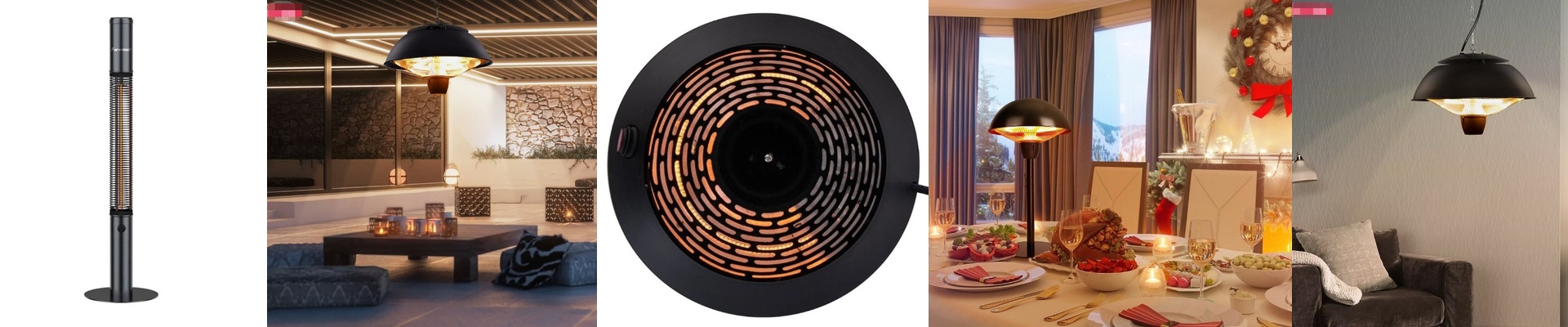

Stand in a cold room and flip the switch. The first few seconds tell you everything you need to know about an infrared electric heater. A solid unit doesn’t just warm up—it lights up almost instantly, with a clean, even glow that tells you the heating element is well-made. That quick response is the quickest way to size up what you’re really buying. What matters under the hood Infrared heaters run on a sealed element—usually quartz or carbon fiber—that turns electricity straight into radiant heat. A high-purity element comes up to temperature fast, holds steady, and avoids hot spots that kill lifespan. Aim for a heater that hits full output in under two seconds. If it takes its time ramping up, you’re likely looking at lower-grade materials and impurities that will degrade down the road. Pair that fast start with a thermostat that holds comfort steady, and you get warmth without the on-off jolts that waste energy. Why this works where it matters When you need heat now, waiting is the enemy. A quick-glowing infrared heater delivers comfort on demand, so you’re not standing by the switch waiting, and you’re not dealing with cold spots. Radiant heat warms people and objects directly, not just the air, so the room feels cozy faster—and stays that way. Indoors, that means fewer temperature swings, less cycling, lower noise, and a steady feel the moment you step inside. The practical details you can’t skip Placement matters. Keep the unit clear, with at least three feet of clearance from furniture and drapes, and always plug it into a grounded outlet. Many models have tip-over protection and an overheat cut-off, but those aren’t substitutes for smart positioning. Remember, infrared heat is directional, so if you want to cover a larger area, pick a model with adjustable coverage. Used the right way, a well-built infrared heater is a straightforward, dependable way to take the bite out of a cold room.