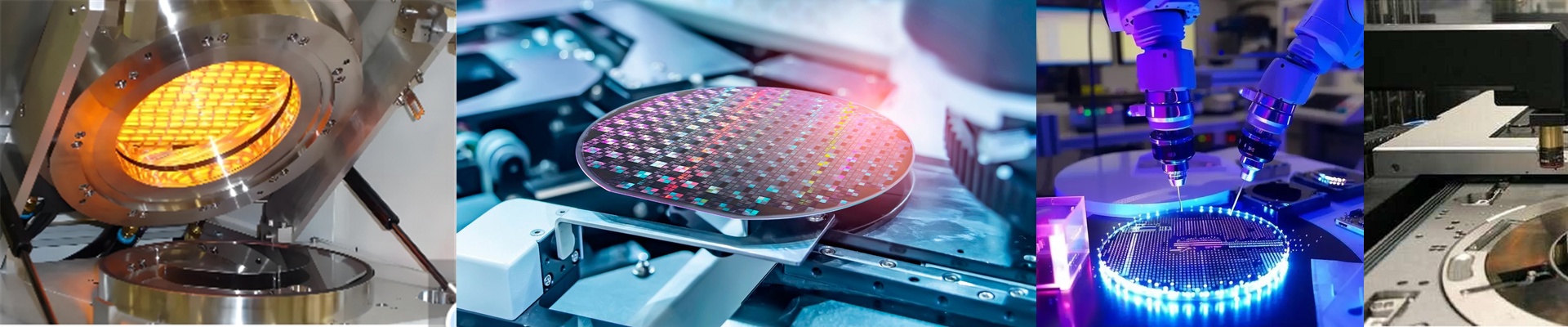

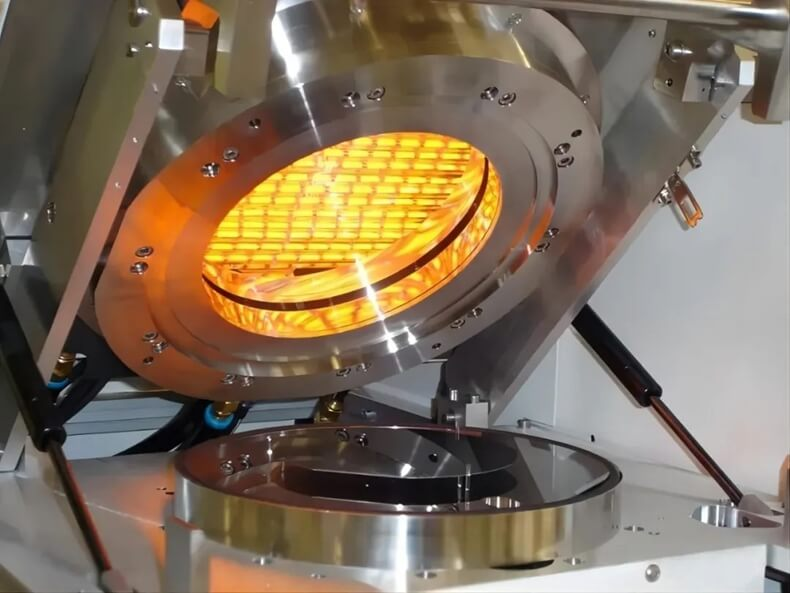
On the fab floor, a photoresist bake is a thermal contract you live by. A 10 ms temperature drift, a 1 mm misalignment between the heater and the wafer, and you’re staring at pattern collapse, edge bead, or a scrap lot. That safety distance around wafer heating isn’t a comfort zone—it’s the boundary that keeps yield and equipment intact. Here’s how we built the heating module. We anchor it to a defined safety distance, keeping the hot zone isolated from sensitive optics and the wafer chuck while still delivering clean, fast heat transfer. The system holds ±0.1°C uniformity across the wafer, so soft bake and hard bake profiles stay inside the thermal budget the recipe demands. It runs in Class 1–100 cleanrooms with zero particle generation, and we verify that in-situ. Output stays stable over 5,000+ hours, with less than 5% intensity drift—meaning 24/7 operation without unplanned downtime. In the lithography bay, cycle time and repeatability write the check. With this module, you can compress bake times without losing profile control, and lot-to-lot repeatability gets predictable. You see consistent critical dimension performance, fewer edge defects, and a lot less rework. Energy use drops because the heater hits setpoint fast and holds it precisely—no overshoot, no wasted kilowatts. Installation comes down to clearance. Maintain the safety distance; plan on at least 10 mm to the wafer edge, depending on chamber geometry. The module drops into standard tracks and coat/bake tools, but a retrofit may need a small rework of exhaust and utilities. Plan for cleanroom airflow and the thermal load on the cabinet. The system tolerates ambient shifts, but stable inlet conditions keep calibration honest over the long haul.