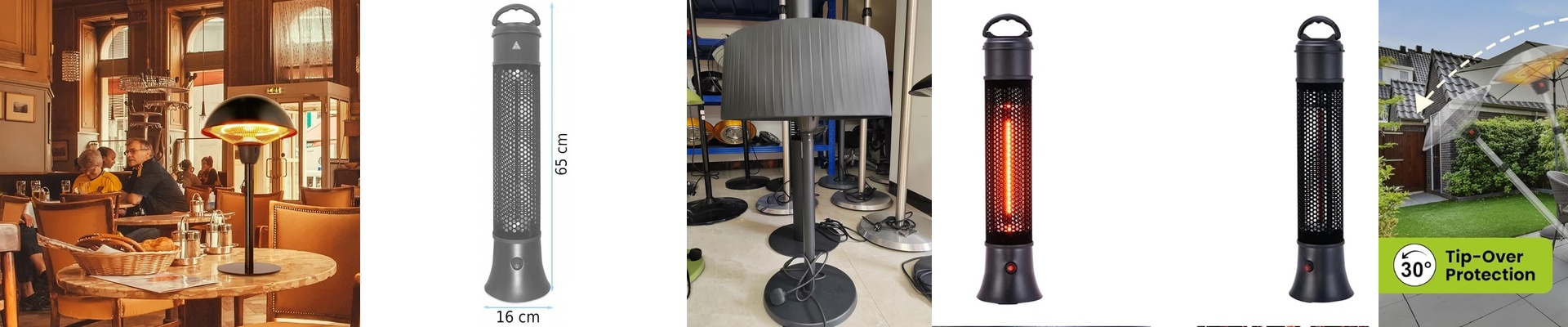

Outdoor evenings go quiet in a hurry when the heat falls off. One flimsy joint, one wire that runs too hot, and the patio turns cold—leaving you with a heater that feels like trouble right when you need it most.
What actually matters under the hood
Infrared electric heaters deliver comfort by throwing radiant warmth straight at people and surfaces, not by trying to warm the air. That direct approach is efficient, but it puts steady heat stress right where the power lead meets the heater body. On a CE certified electric heater, the lead seal isn’t window dressing—it’s the physical barrier that keeps moisture out and stops the conductors from shifting around as temperature cycles repeat. We handle that seal with a two-layer setup: high-temperature silicone or epoxy potting where the conductors enter, then a solid strain-relief that holds the cable at the right bend radius. The payoff shows up in testing. Under accelerated thermal cycles, insulation resistance stays stable through thousands of on/off cycles, and the joint holds together even after long stretches at rated wattage.
Why this makes a difference in the real world
On a covered patio or in a semi-exposed outdoor room, humidity and temperature swings never stop. A weak entry point makes it easy for condensation and oxidation to creep in, quietly eating away at the connection until you start seeing flicker, trips, or full failure. With a pro-grade lead seal, the infrared heater keeps doing its job through cool evenings and sudden dampness—no intermittent behavior that makes you second-guess flipping the switch. You feel it as steadier warmth, fewer interruptions, and less anxiety about an unexpected shutdown. For homes that treat outdoor heating as usable living space, that kind of reliability is what turns “maybe tonight” into “let’s stay out a little longer.”
What you need to get right on install
Even the best lead seal won’t save you if the installation is sloppy. Keep the cable route clear of sharp edges, don’t kink it tight, and stay within the rated ambient temperature. If you’re running the heater under a low roof or inside a tight enclosure, plan for ventilation—radiant heat needs airflow around the housing to keep temperatures inside safe operating range. And while CE certification means the unit meets essential safety requirements, always double-check that your outlet and circuit can handle the heater’s rated load. Matching the wiring to the heater is the simplest way to protect both comfort and peace of mind.