Stop Waiting on Your Oven: Why IR Heating Beats Forced Air in the Fab
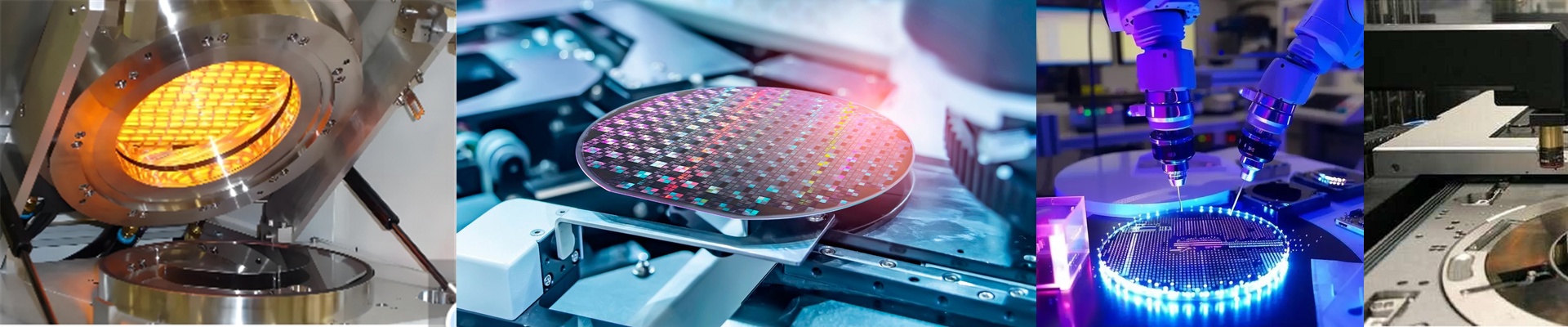
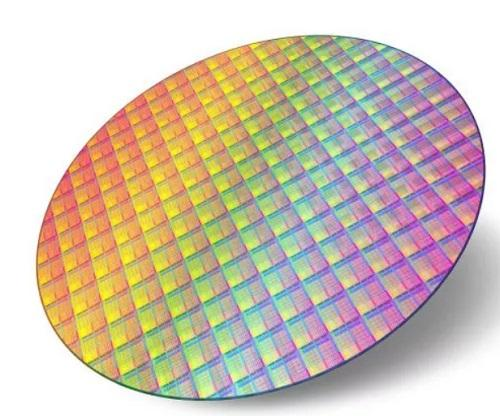
If you’re still using hot air circulation to heat your wafers, you’re basically playing a waiting game you don’t need to play. Think about how forced air works. You heat up the air, then you wait for that air to heat up the part. It’s slow. There’s this annoying lag where you’re just… sitting there. In a semiconductor fab, that lag is just wasted money.
Cutting Out the Middleman
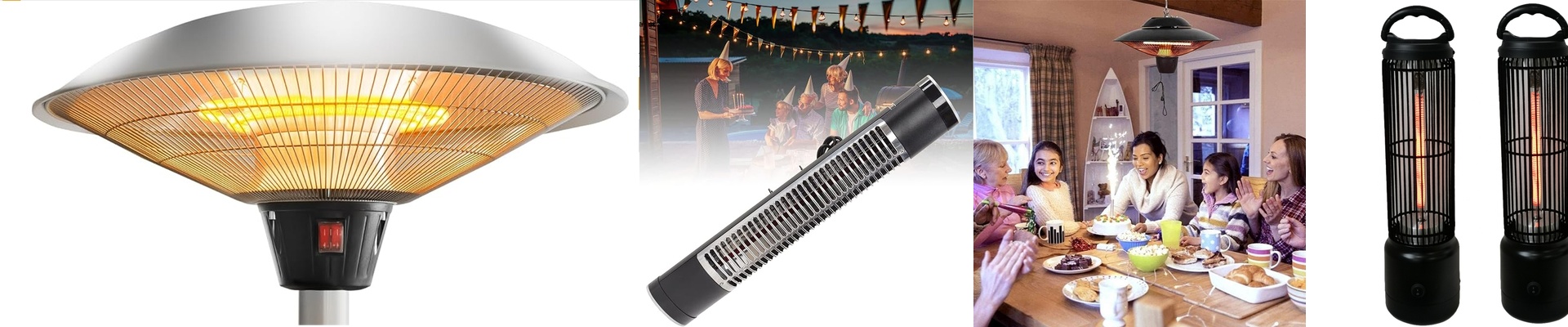
IR heating does things differently. Instead of heating the room or the air, it uses electromagnetic radiation to send energy straight into the substrate. It’s like the difference between warming up a room with a heater and stepping into the sunlight. You don’t have to wait for the chamber to hit a certain temperature. You flip a switch, the photons hit the target, and you’re off. We’re talking about moving from minutes to seconds. Now, a few seconds might not sound like much. But do the math. If you shave 30 seconds off every cycle across 1,000 wafers, you’ve just found a few extra hours of production time per shift. That’s a massive win.
Saving Space (and Sanity)
Air systems are clunky. You’ve got the fans, the ducting, and those huge insulated boxes designed to keep the heat from leaking everywhere. They take up way too much floor space. IR lamps are tiny by comparison. You can tuck them right into the processing line. Plus, it’s just smarter for the planet. You aren’t wasting energy trying to heat the entire atmosphere of the machine—you’re just heating the wafer.
The Catch
I won’t tell you it’s a magic bullet, because it isn’t. IR is fast, but it’s directional. Hot air wraps around a part like a blanket. IR is more like a flashlight. If your wafer is slightly crooked or your lamp is off by a hair, you’ll get cold spots. You have to be really intentional about your reflectors and sensors to make sure the heat is even across the whole surface. And a word of warning: since the heat hits so fast, you need a cooling system that can keep up. If you can’t handle those sudden thermal spikes, you’re going to warp your substrates. But once you get the alignment right? It’s a completely different world.