
High-Temperature Infrared Halogen Lamps: Smart Design That Keeps Semiconductor Costs in Check
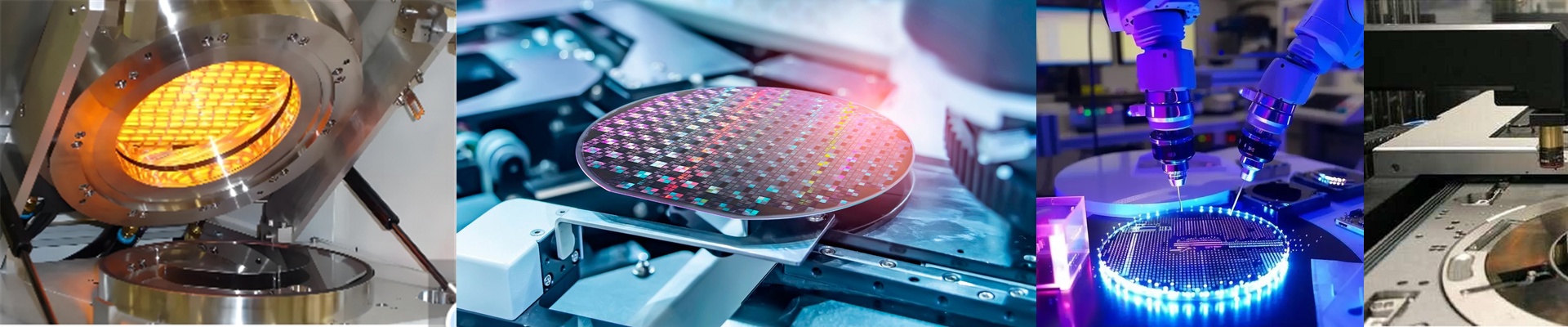
In semiconductor manufacturing, every second counts, and the heat has to be just right. That’s why we built these high-temperature infrared halogen lamps to be straightforward workhorses—no fuss, just fast, focused heat that fits right into your existing setup.
Power, Voltage, and Size—Tailored for the Job
Here’s the thing: when you need intense heat without a full system overhaul, size and power matter. We pack a lot of punch into a small space. Take our typical setup: 400V and 2500W, all wrapped into a 300mm tube. That’s how you get rapid heat-up and quick cycle times. The 300mm length keeps the heat zone tight, so you’re not warming the whole room—just the spot you need. And the 400V design? It means lower current for the same power, so your wiring stays simpler and you lose less energy along the way. Just keep in mind: with high watt density, your surrounding gear needs to be ready for the heat. Make sure your heatsinks, airflow, and shielding are up to the task.
What’s Inside: Quartz, Coating, and a Solid Connection
We use a quartz envelope because it can handle extreme heat and sudden temperature shifts without breaking a sweat. Inside, the halogen cycle keeps the filament stable, so your output stays consistent, even during long production runs. Then there’s the reflective coating on the outside. It directs more infrared energy forward, straight onto the target. Less wasted heat means better repeatability and a little extra efficiency. And the R7s connector? It’s a no-brainer for industrial heating. It holds up under high temps, makes solid contact, and lets you swap lamps quickly—just pop in the new one, wire it up, and get back to work.
Built for Real Production Realities
These lamps are all about reliability: fast heating, steady output, and a long life. In semiconductor work, where cost per wafer is the name of the game, that means less downtime and fewer maintenance headaches. We supply these straight from the factory, so getting them is simple. But the real win comes when you match the lamp to your machine. Double-check the voltage. Confirm the length. Make sure the fixture fits. When you get those details right, the performance is predictable—and that predictability keeps your total cost of ownership low.