

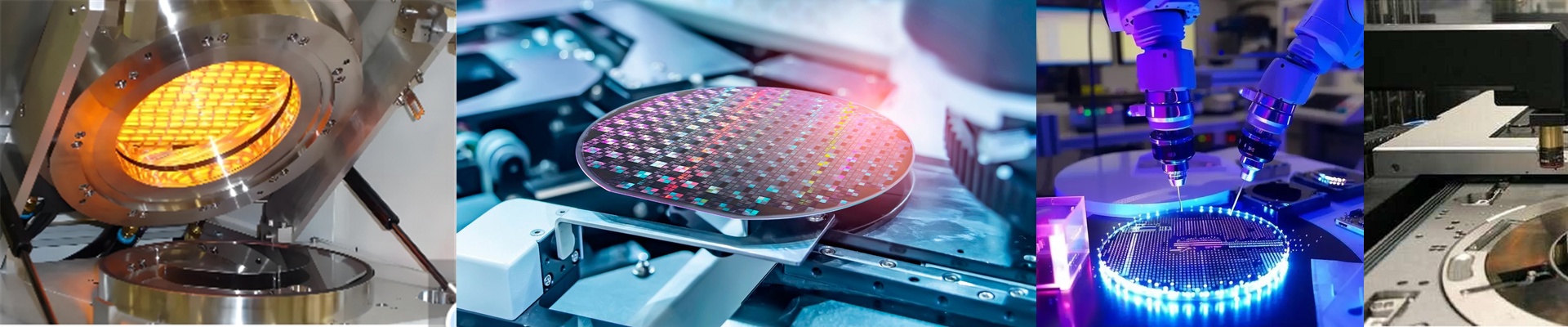
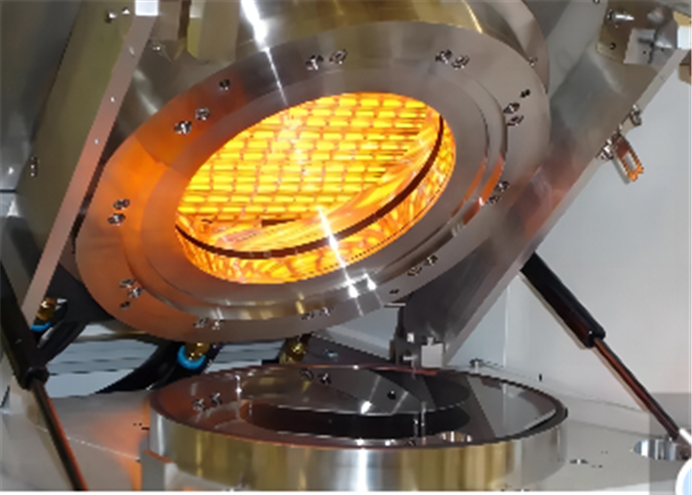
On the fab floor, lithography and the bake steps in photoresist can’t handle drift. A lamp output shift of just a few degrees eats the thermal budget, and the line stops. We built this replacement filament to keep the thermal profile locked, shift after shift. What matters, technically The filament is engineered for halogen lamp architectures—tight geometry, repeatable ignition. It holds spectral stability across short-wave and medium-wave profiles, so wafer temperature stays inside ±0.1°C of the recipe across the batch. You get consistent emissivity, stable resistance, and predictable warm-up behavior that keeps soft bake and hard bake in spec. It’s built for Class 1–100 cleanroom operation, with low outgassing and no particle generation during start-up or steady state. Why it works in photoresist processing Photoresist is unforgiving with hot spots and cold edges. This filament gives uniform heating, which translates to tighter critical dimension control and fewer scum defects. Process repeatability improves because lamp-to-lamp variation drops, so you spend less time on rework and qualification. Longer service life and stable output mean fewer unplanned downtime events, and the scheduler runs with fewer interruptions. Energy use stays tight because target temperature is held without overshoot. Here are the must-do details Match the base connector, envelope dimensions, and voltage rating to your specific lamp housing—no exceptions. Confirm compatibility with your oven and lithography track interfaces before installation, then run a short qualification lot to verify uniformity and exposure latitude. Treat the filament as a controlled consumable: store sealed, handle in cleanroom conditions, and keep full lot traceability. That’s how you keep process discipline.