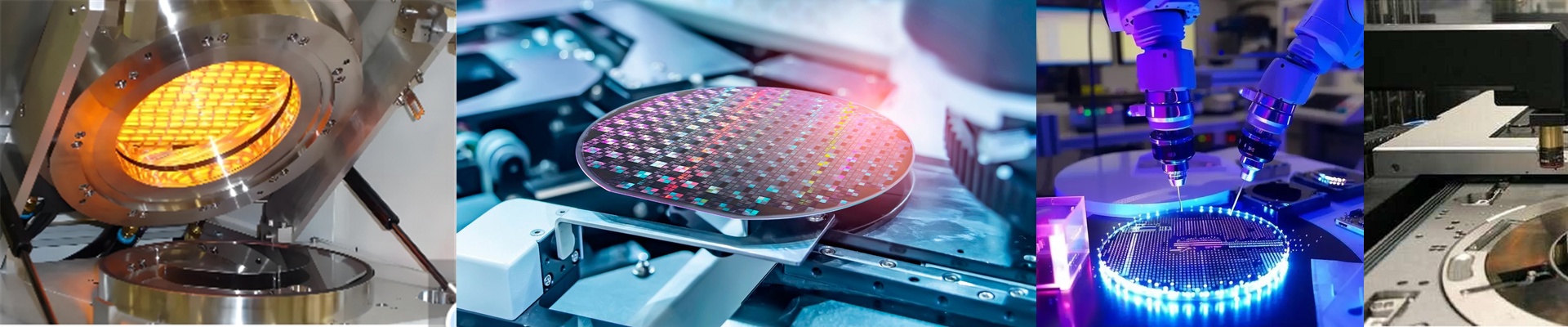
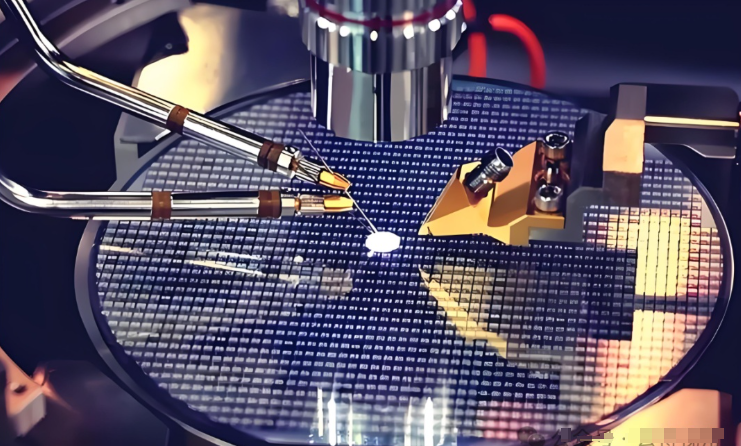
On the lithography floor, a half-degree drift in bake temperature is enough to scrap an entire wafer lot. Soft bake and hard bake aren’t just heat cycles — they’re dimensional controls. If the lamp can’t hold setpoint across the whole wafer, CD uniformity falls apart, and yield goes with it. We built the spin coater bake lamp around near-infrared (NIR) quartz halogen. It gives you fast, direct thermal response and stable radiant output. The system targets wafer-level uniformity within ±0.1°C, and the repeatability keeps solvent removal consistent, run after run. The lamp assembly is rated for cleanroom Class 1–100. A sealed optical path and low-outgassing materials keep particle count flat. Output stays stable for 5,000+ hours, with less than 5% intensity drift, so your thermal budget doesn’t drift with time. Here’s why it holds up in a spin coater environment: fast ramp, tight dwell, and an immediate return to setpoint between wafers. You get shorter bake cycles without overshoot, lower energy per lot, and fewer rework masks caused by footing and scum. The payoff is predictable CD control and fewer excursions tied to bake variability. NIR gives you speed and uniformity, but the lamp needs clean power and precise optical alignment. Voltage ripple or a misaligned lamp will show up as hot spots. Before you install, verify the spin coater’s lamp socket and thermal interface. Plan on periodic intensity calibration and window inspection. That’s what keeps the ±0.1°C uniformity where it needs to be, month after month.