Keeping Things Safe When Cleaning with Volatile Chemicals
Let’s be honest: running infrared heaters around flammable vapors and corrosive liquids is a bit like playing with fire. Literally. If you use a standard open-element lamp in those zones, you’re basically asking for a disaster. One spark or a bit of overheating, and you’ve got a massive problem on your hands. That’s why we don’t just “use” lamps—we wrap them in specialized encapsulation.
Why Carbon Fiber?
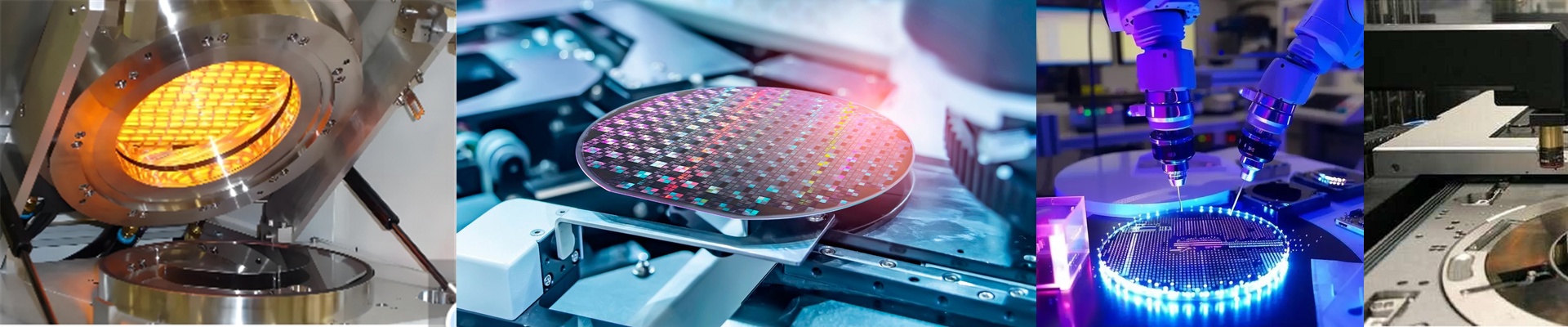
We swapped out the old-school tungsten for carbon fiber filaments. Why? Because carbon fiber can take the heat without getting brittle and snapping. But the real win is in how the heat moves. These lamps push out medium-to-long wave radiation. Instead of just hitting the surface with a quick flash, the heat actually soaks deep into your chemical baths. It’s a steadier, more thorough kind of warmth.
The “Safety Bubble”
The real secret is the seal. We take the heating element, put it in a high-purity quartz tube, and then wrap the whole thing in an explosion-proof outer shell that doesn’t care about harsh chemicals. Think of it as a physical wall. Even if the inner filament burns out or the quartz cracks, the outer shell keeps those flammable gases far away from the hot parts. And we don’t leave the gaps open. We seal the wire entries with industrial-grade epoxy and gaskets. This stops “creep”—that annoying thing where vapors sneak through the cable housing and get inside the lamp.
The Trade-off
Now, there’s a catch. All that heavy-duty sealing adds mass. Because of that, you’ll notice the lamps take a bit longer to warm up than a bare bulb would. You’ll need to tweak your PID controllers to handle that lag, otherwise, you might overshoot your target temperature.
A Few Tips for the Engineers
When you’re wiring these in, just make sure your junction boxes are Ex-rated to match your hazardous zone. The encapsulation handles the chemicals, but you still need to ground everything to stop static from building up. One last thing: if you’re working in a place with heavy vapors, keep an eye on your ventilation. You want to make sure the outer shell doesn’t get hotter than its rated surface temperature.