

Why we’re using IR heating in semiconductor gloveboxes
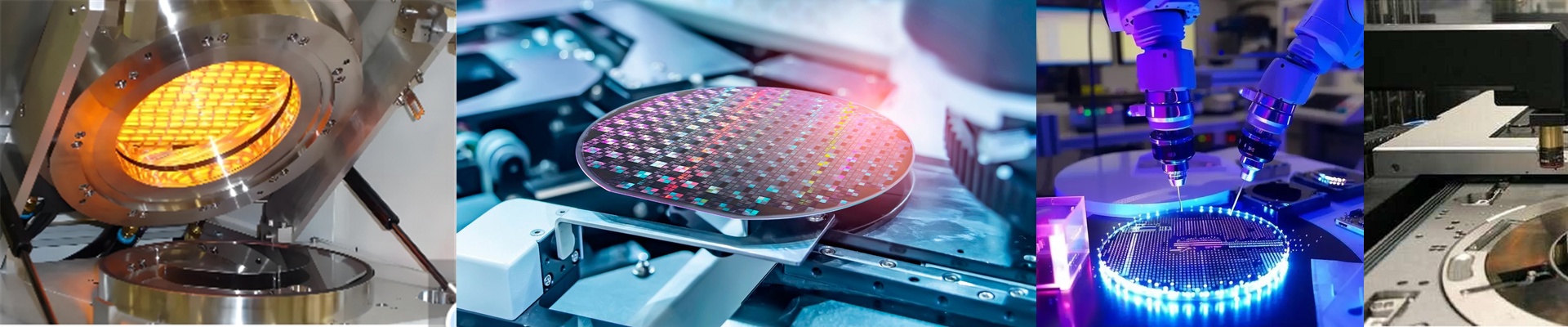
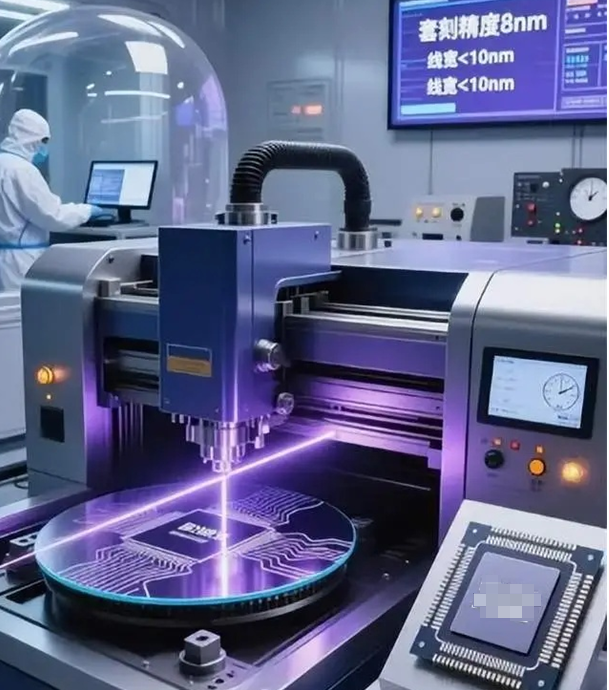
The semiconductor world is moving away from lead and nasty chemicals, and that means we’ve had to rethink how we dry things. We’ve started using infrared (IR) heater elements in our glovebox setups to keep up. Think about a standard convection oven. It has to heat up every single cubic inch of air just to get the job done. It’s slow and wasteful. IR is different. It sends energy straight to the substrate. No middleman, no heating the whole room—just direct, efficient heat. It lets us ditch the hazardous solvents and cuts down the energy we’re burning through during the curing cycle. How it actually works We use short-wave or medium-wave radiation here. In a glovebox, where we’re obsessing over oxygen and moisture levels, we need heat that’s precise. The cool part? This radiation actually penetrates the surface of the component. It cures things from the inside out. If you just blast the surface with heat, you get “skinning”—where the top dries instantly and traps wet solvents underneath. IR stops that from happening. The hardware side of things When we’re wiring these into a box, it all comes down to power density. We use quartz or halogen tubes because they ramp up fast. Like,really fast. You’re hitting your target temps in seconds, not minutes. To keep the atmosphere pure, we use specialized connectors. If you get a leak in your glovebox, you’re in trouble, so these seals have to be airtight. But there is a catch. These elements put out a lot of intense, localized heat. If your cooling system isn’t up to the task, you’ll start seeing problems. We’re talking warped enclosures or fried sensors. You have to make sure you can pull that heat away as fast as the IR puts it in. Keeping it clean Lead-free standards are a pain because they require much higher temperatures than the old-school solder. IR hits those numbers easily without the carbon emissions you get from gas ovens. It’s just clean, electric power. Plus, since there’s no air blowing around, there’s no risk of kicking up particles and landing them on your wafers. It’s a much simpler, cleaner way to handle thermal processing.