
Stop Trying to Heat the Wind
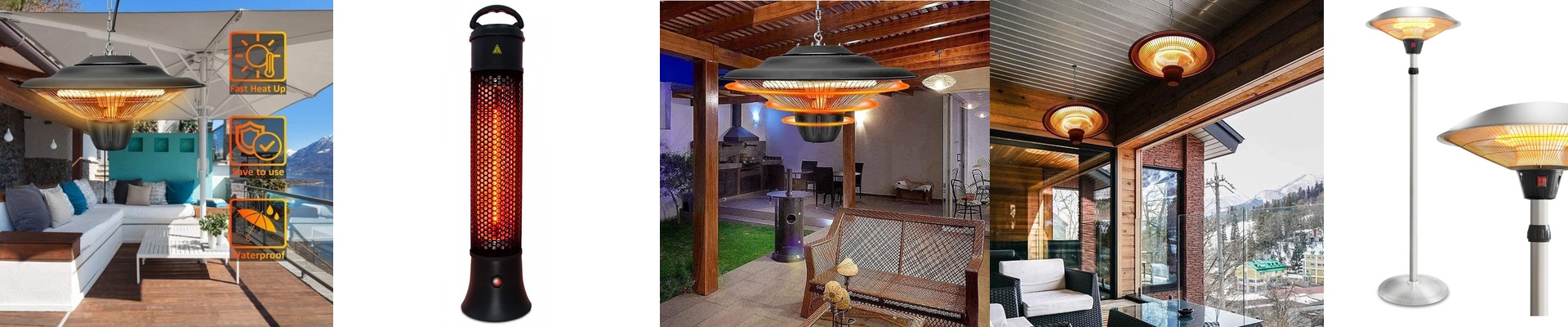
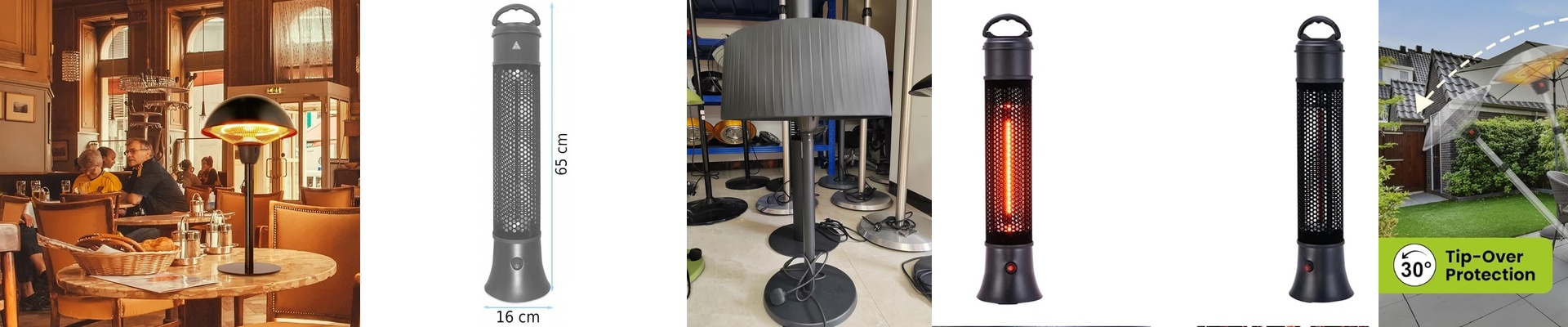
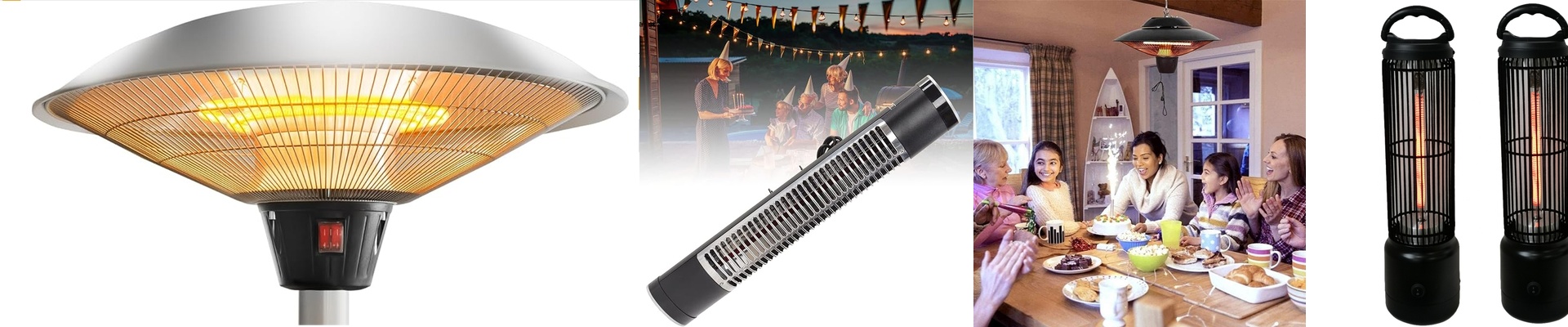
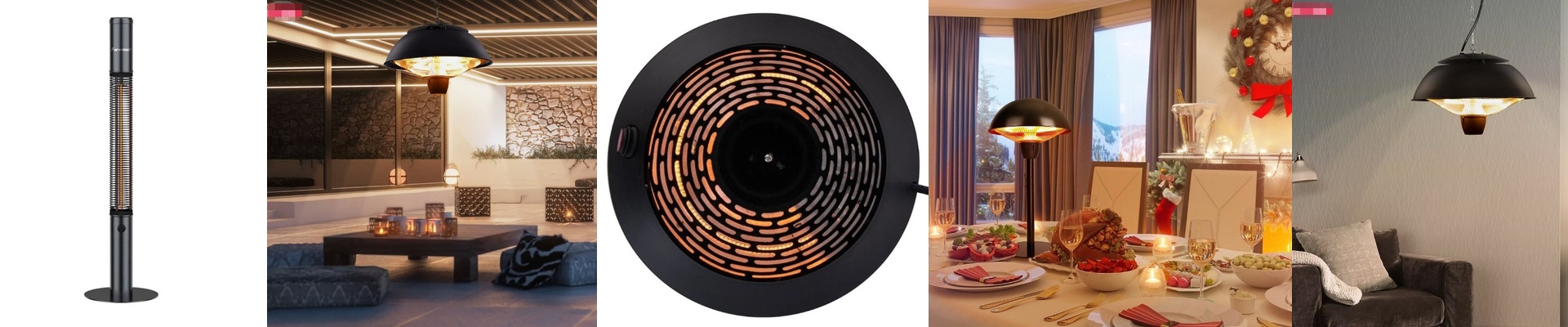
If you’ve ever tried to run a patio in the winter, you know the struggle. You put out those big forced-air heaters, but the second a breeze kicks up, all that warmth just vanishes into the night. It’s a waste of money because you’re basically trying to heat the outdoors. We do things differently. We use ceiling-mounted infrared heaters. Instead of messing with the air, these units send out heat that hits people and objects directly. It’s a lot like standing in the sun on a crisp October day—you feel the warmth on your skin immediately, even if the air around you is freezing.
The Trick to Getting it Right
The goal here is to create a “warm zone” right where your guests are sitting. Since these are on the ceiling, the heat beams down. Because it’s short-wave infrared, it actually penetrates through clothing. This is the secret sauce. When a cold gust hits the patio, your guests won’t jump up and leave because they’re still feeling that direct warmth. You aren’t paying to heat the entire zip code; you’re just keeping your customers cozy.
The Boring (But Important) Electrical Stuff
Before you start buying lamps, let’s talk power. These things pull a lot of current. If you just plug them into a shared circuit, you’re going to trip your breakers the moment the temperature drops and everything kicks in. You’ll want a dedicated circuit to keep things stable. Also, don’t just guess where they go. We map out the “heat cones” so they overlap slightly. That way, you don’t end up with those annoying cold spots where one guest is sweating and the person next to them is shivering.
Why This Actually Matters for Your Bottom Line
Here is the honest truth: warm guests stay longer. When people aren’t freezing, they don’t rush through their meal. They order the dessert. They stay for another round of drinks. Your average check goes up simply because they’re comfortable. But watch out for the mounting height. If you hang a high-wattage heater too low, you get the “hot head, cold toes” effect. It’s miserable. Get the height and the wattage balanced, and you’ve essentially turned a seasonal patio into a money-maker that works all year round.