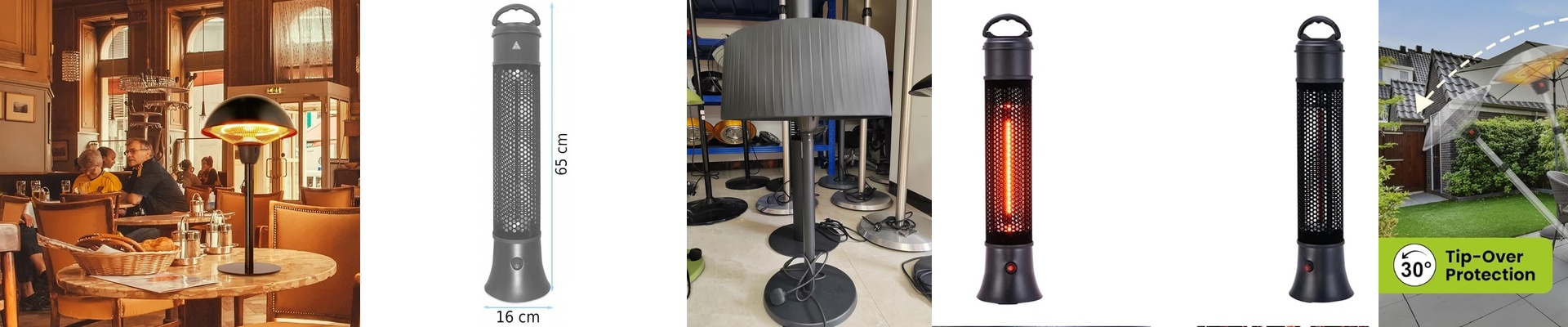

IP65 Waterproof Outdoor Infrared Heaters: Warmth That Shows Up, No Matter What
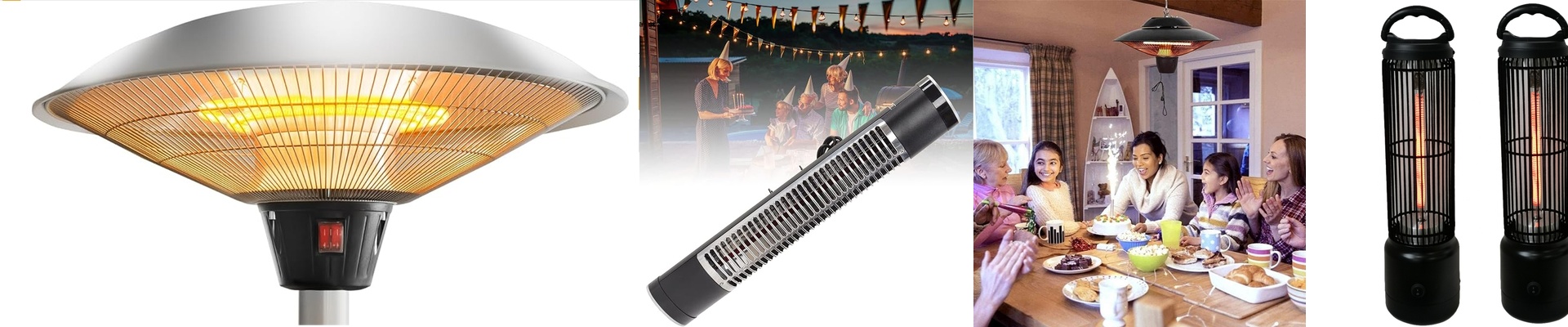
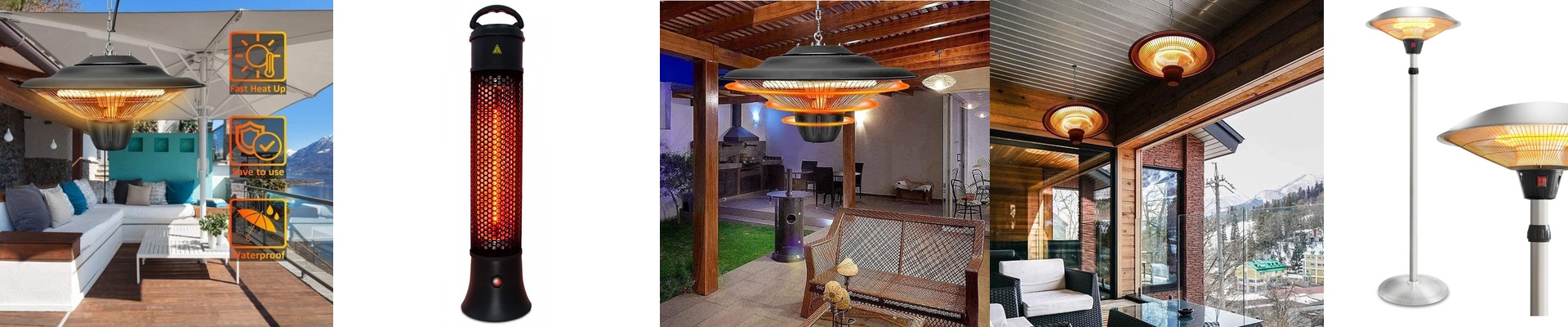
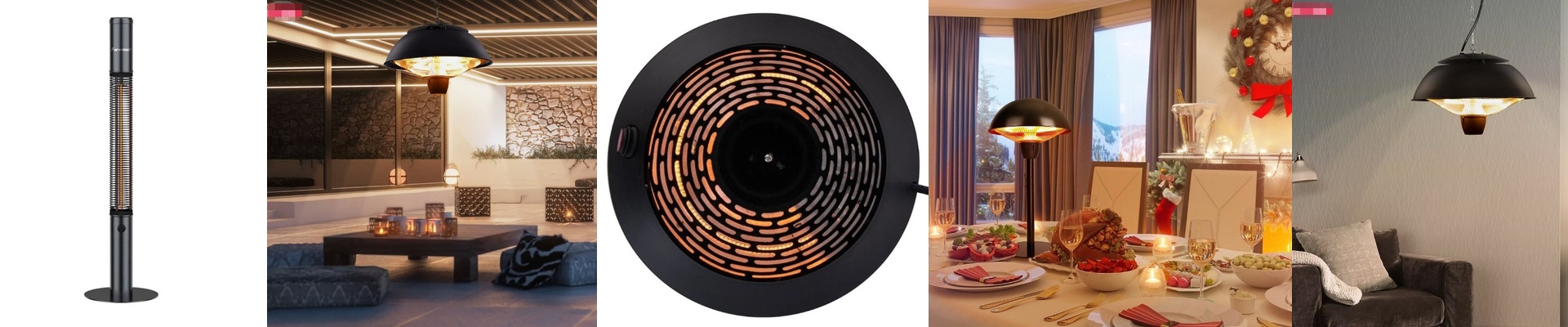
Let’s talk about heat that actually shows up when you need it. We built the IP65 waterproof outdoor infrared heater for the places where regular heaters just give up—open, drafty spots like loading bays and changing rooms. It uses shortwave infrared to turn electricity straight into radiant warmth, so it doesn’t waste time heating air that immediately disappears. The payoff? Heat, fast. Even when the wind is doing its worst.
Power, Voltage, and Warm-Up That Feels Immediate
This unit is rated at 2500W and runs on 400V, which gives you serious heat without pulling an insane amount of current. That voltage choice keeps wiring simpler and conductor sizes smaller, so hooking it up to industrial panels is straightforward. The 300mm tube packs a lot of energy into a small footprint, which means high heat density. In practice, that means warm-up is quick—target temperatures in seconds, not minutes. Now, here’s the honest part: cramming 2500W into 300mm needs thoughtful placement. You’ll want to plan the mounting spot and local ventilation so nearby components don’t get cooked.
What’s Inside: Halogen, Quartz, and a Connector That Stays Put
Inside the quartz tube, a halogen-filled filament is built to resist burn-out and keep output steady over long cycles. The tube coating helps manage infrared emission and keeps environmental grime from interfering. And the R7s connector? It’s an industrial workhorse. It gives you a secure, low-resistance connection that installs quickly and stays tight even when things vibrate. No hot spots. No surprises. Just consistent performance.
Built for the Kind of Conditions That Break Other Gear
This heater is engineered for harsh, wet outdoor use. The IP65 seal keeps water and dust out, so it keeps performing in exposed spots. In changing areas, it can turn a freezing corner into a comfortable one almost instantly—without trying to heat the whole room. For engineers, that means fewer headaches: faster install, fewer maintenance calls, and heat that lands exactly where you need it. It also drops straight into existing R7s-fitted systems, so retrofits don’t drag on. Fast response. Solid connections. And a build that can take a beating without getting dramatic about it.