

Lam Research Heater Replacement: The Spec-for-Spec Infrared Swap That Actually Works
Let’s cut to the chase. It’s easy to find a heating lamp that can physically bolt onto your Lam Research platform. But does it actually do the job? Can it keep up with the chamber’s thermal demands, run on the same power, and hold tight tolerances without forcing you to re-engineer your entire process? That’s the real question. So, we built our replacement around a shortwave infrared (IR) quartz tube. It’s engineered to be a true spec-for-spec match for Lam equipment—not some one-size-fits-all solution. This is for engineers who need to keep their line running and control costs.
Power, Voltage, and Geometry: Getting the Details Right
Lam systems need fast ramp rates and rock-solid temperature control. Our replacement tube is rated for 400V and up to 2500W. That gives you the heat density needed to hit your setpoints quickly. And the fit? It’s precise. We hold the tube to 300mm in length and 10mm in diameter. This keeps it in the exact same focal plane as the original. That tight fit isn’t an accident. It preserves the critical distance between the emitter and the target, which keeps temperature uniformity right where it needs to be. If the lamp is even slightly off, you’ll get hot spots or cold edges. Just a heads-up: a 400V 2500W setup puts real demand on the electrical path. You’ll want to check your wire gauge and terminal condition. A poor connection here can cause voltage drop and lead to erratic heating.
Material and Design: The Why Behind the Build
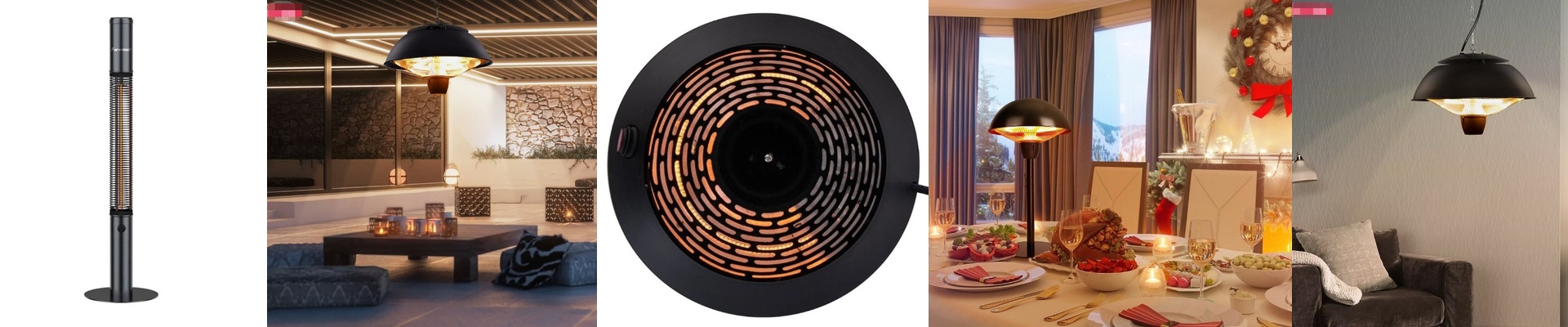
The tube uses a quartz envelope with a selective IR coating. This coating shifts the output toward the shortwave band, which many substrates absorb more efficiently. The result? Faster heating with less wasted energy heating hardware that doesn’t need it. Inside, a halogen gas fill protects the filament. It reduces evaporation at high temperatures, which helps keep the output stable over the life of the lamp. The connector is R7s—a bi-pin design common in industrial infrared assemblies. It’s built to carry high current and provide a secure, mechanical grip. You just wire it up to the existing terminals, and the geometry keeps the lamp aligned without any fuss. For some variants, we also support SK15, but just confirm the exact base spec before ordering.
Install, Run, and Keep Things Moving
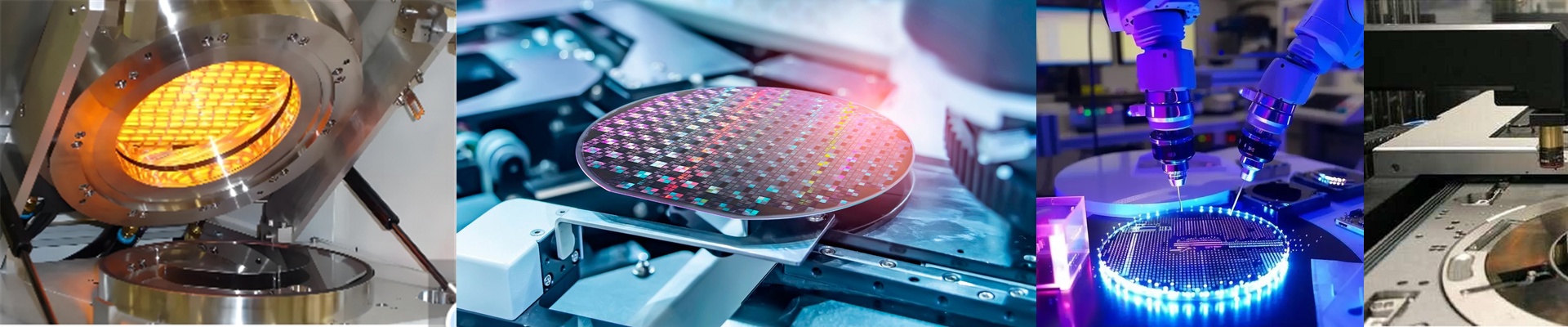
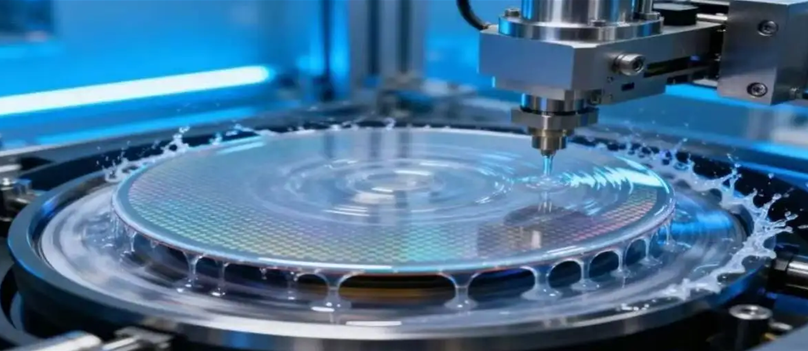
This setup is built for semiconductor wafer heating and similar vacuum or controlled-atmosphere processes. Installation is a straight swap. Line up the pins, seat the tube, and verify the focal distance. You get serious heat density in a small footprint—exactly what you need when chamber space is tight. The lamp comes up to temperature fast, which supports those short cycle times. But here’s a reality check: that 2500W output ramps up the heat around the lamp. Make sure the machine’s cooling path—airflow, shielding, and thermal management—is clear. If the ambient temperature climbs, your control stability drops. We provide the lamp as a true drop-in replacement. You’ll still want to validate setpoints, emissivity, and thermal budget for your specific recipe. But when you need to keep the line moving without re-qualifying the whole chamber, having the right spec in the right envelope is what makes all the difference.