Keeping Your Class 100 Cleanroom Actually Clean
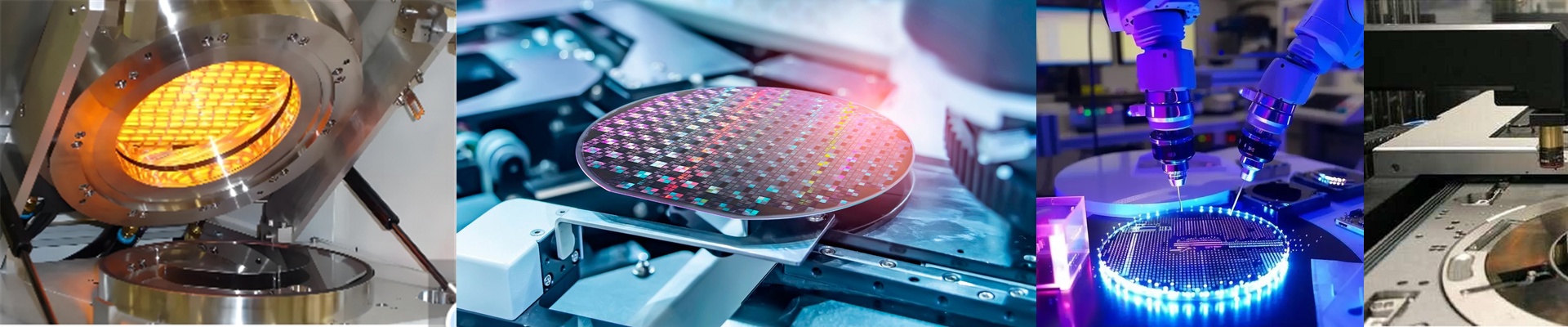
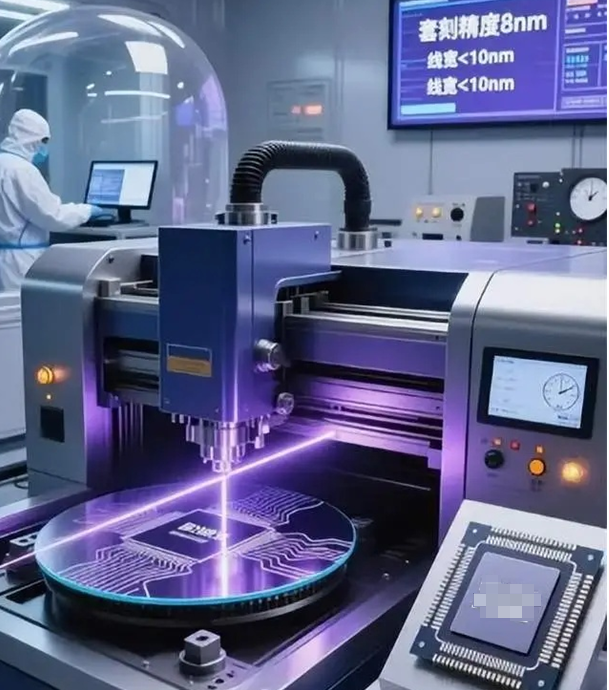
If you’re running a Class 100 environment, you already know the nightmare of outgassing or random particles drifting where they shouldn’t. It’s a constant battle. Most standard infrared lamps just aren’t built for this—they tend to flake or degrade once things get hot, and that’s a disaster when you’re working with silicon wafers or high-end optics. We handle this by sticking with high-purity synthetic quartz. Why the quartz matters We use a fused silica that’s stripped of almost all impurities. If you’ve ever seen those cheaper tubes get “cloudy” over time, this is why. Our stuff stays clear. More importantly, it handles the stress of heating up and cooling down quickly without cracking or shedding bits of itself into your workspace. You get a clean, steady heat source that doesn’t mess with your product. Getting the heat right It’s not just about the material; it’s about how you treat it. We use Digital controllers to ramp up the power slowly. If you just slam the wattage on, you’ll shock the quartz envelope, and that’s how you get failures. We also spend a lot of time balancing the wattage-to-length ratio. The goal is a totally even spread of heat. No hot spots. No warped thin-film substrates. Just a consistent bake. A few things to watch out for These lamps are designed to slide right into your existing rigs, and we keep the seals tight so nothing leaks from the housing into your sterile zone. But here’s the catch: high-purity quartz is a bit more brittle than the doped glass you might be used to. It can take a massive amount of heat, but it can’t take a hit. Your mounting brackets need to be spot on. If there’s any mechanical tension when you’re installing the lamp, it’ll just snap. One last tip for your team: use non-marring tools during wiring. Even a tiny micro-scratch on the tube can turn into a major crack later on. Treat them gently, and they’ll last.