
Stop the Bathroom Mold Battle with Infrared Heaters
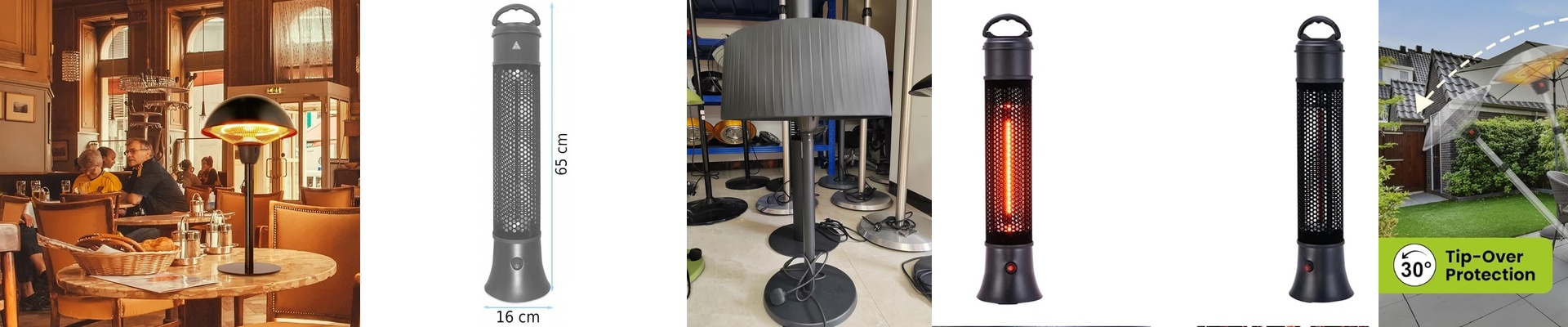
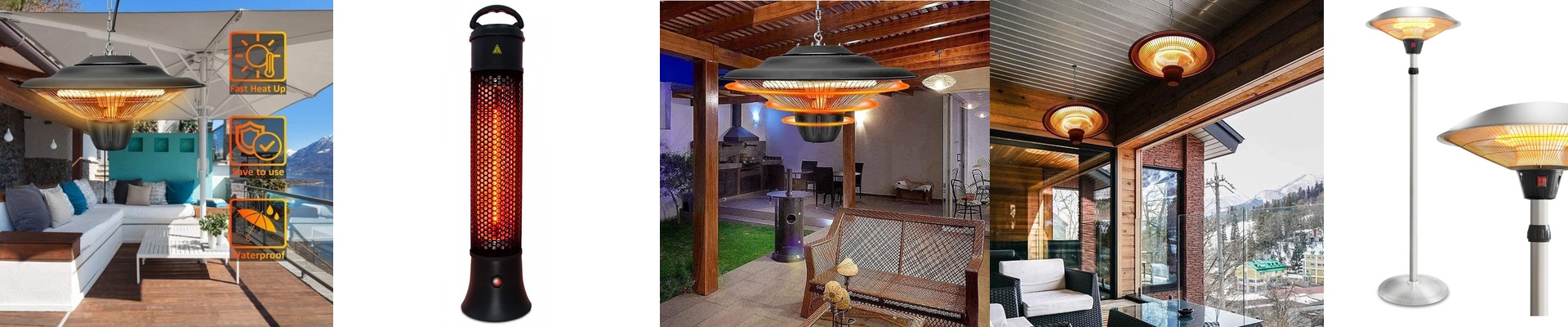
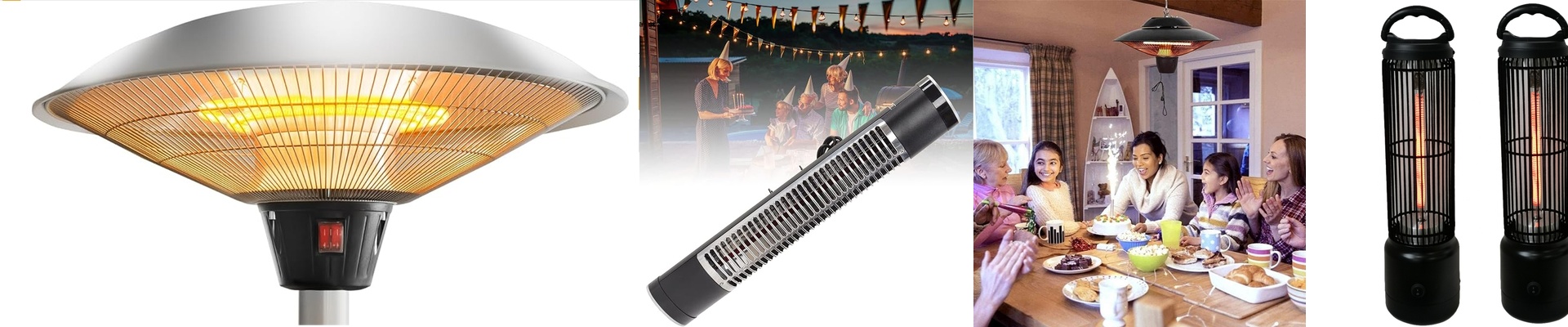
Most of us think of those recessed bathroom heat lamps as just a way to keep from shivering while we get dressed in the winter. But there’s more going on under the hood. These things are actually great tools for fighting humidity. Instead of trying to warm up all the air in the room, these infrared units shoot energy straight down. They hit your floors and walls directly.
Why this actually stops mold
Mold loves two things: damp air and cold surfaces. It’s the perfect storm for spores to move in and set up shop in your grout. When you turn on a shortwave IR heater, it basically shakes up the water molecules sitting on your tiles. This makes the water evaporate way faster than it would on its own. By keeping your walls warm, you’re making the room a hostile environment for mold. It just can’t find a cold, wet place to stick to.
The gear inside
We use quartz glass and tungsten filaments to get the job done. Because they’re recessed, they sit flush against your ceiling and push all that heat exactly where you need it. It fixes that annoying “cold wall” feeling you get with regular heaters. And the best part? It’s instant. No waiting around for a radiator to warm up. You flip the switch, and you feel the heat immediately.
A few things to keep in mind
Now, these lamps put out a lot of heat in a small space. If you cram a high-wattage lamp into a tiny bathroom without any airflow, you might trip a safety switch or just make the room feel like a sauna. You’ve got to match the power of the heater to the size of your room. Plus, don’t forget the fan. The heater’s job is to turn the liquid water on your walls into vapor. The exhaust fan’s job is to kick that vapor out of the house. You really need both working together to actually get the moisture out of the room.