

Stop Wasting Energy on Hot Air: A Better Way to Cure Wafers
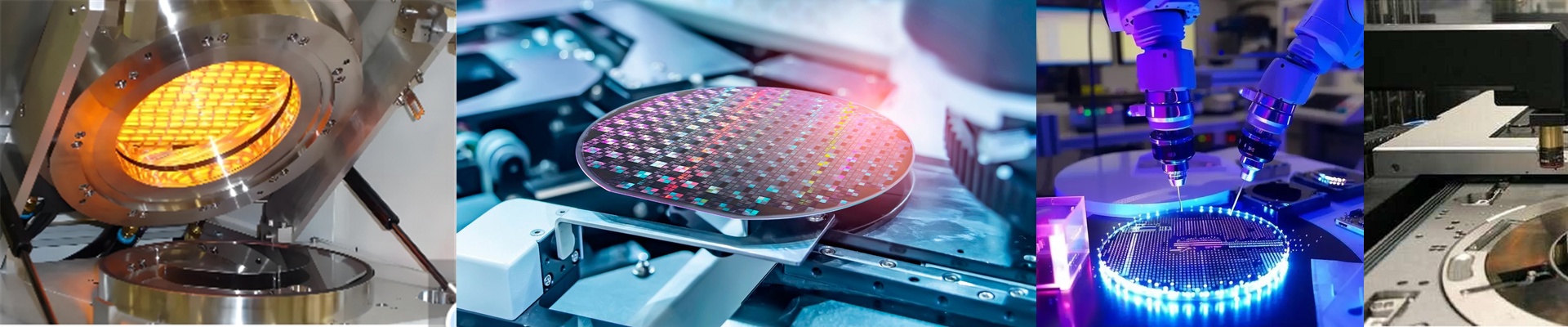
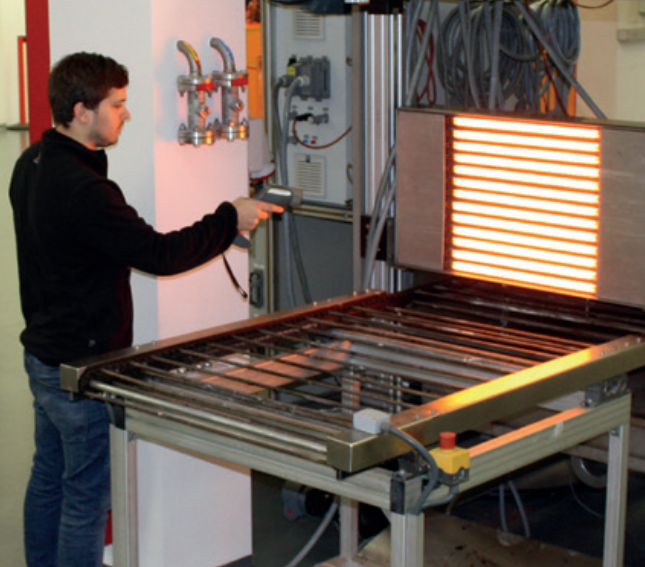
Let’s be honest—semiconductor fabs are absolute energy monsters. If you look at where all that power is going, a huge chunk of it is just wasted on heat. For years, the go-to has been these massive convection ovens. But here’s the problem: you’re spending a fortune heating up the entire chamber—the air, the walls, everything—just to get the wafer to the right temperature. It’s inefficient. That’s why we’ve moved toward infrared (IR) curing lamps. Instead of heating the room, IR sends energy straight into the substrate. It’s a direct hit.
Why the physics actually matter
We stick to short-wave and medium-wave IR because they don’t mess around. These wavelengths punch through photoresist and adhesive layers way faster than hot air ever could. Think about the time difference. You go from waiting hours for an oven to warm up to getting it done in seconds. That’s a massive drop in kilowatt-hours per wafer. We build our lamps with high power density so you can ramp up to curing temperature almost instantly.
Fitting it into your fab
The best part? This is a quick win for your carbon footprint. You stop fighting the heat loss that happens when you’re trying to keep a giant metal box hot. We design these systems to be simple. Most of the time, they’re just drop-in replacements for your old heating elements, so you don’t have to tear apart your entire floor plan. **One heads-up, though:**watch your power supply. High-wattage IR arrays pull a lot of current. If your electrical panels aren’t ready for that initial peak load during the ramp-up, you’re going to be tripping breakers all day.
The reality check
Now, IR isn’t a magic wand. It has its quirks. Because the heat is so intense, you can end up with “hot spots” if your lamps aren’t lined up perfectly with the wafer. You have to be precise with the angle and the distance. To keep things from getting out of hand, we suggest using closed-loop pyrometer control. It stops you from over-curing and ruining your batch. Also, don’t just run these lamps at 100% duty cycle and forget about them. Without proper cooling for the lamp ends, you’ll burn out the filaments way too fast. It’s all about finding that sweet spot between how fast you want your wafers moving and what your hardware can actually handle.