Why we’re ditching hot air for IR reflectors in wafer curing
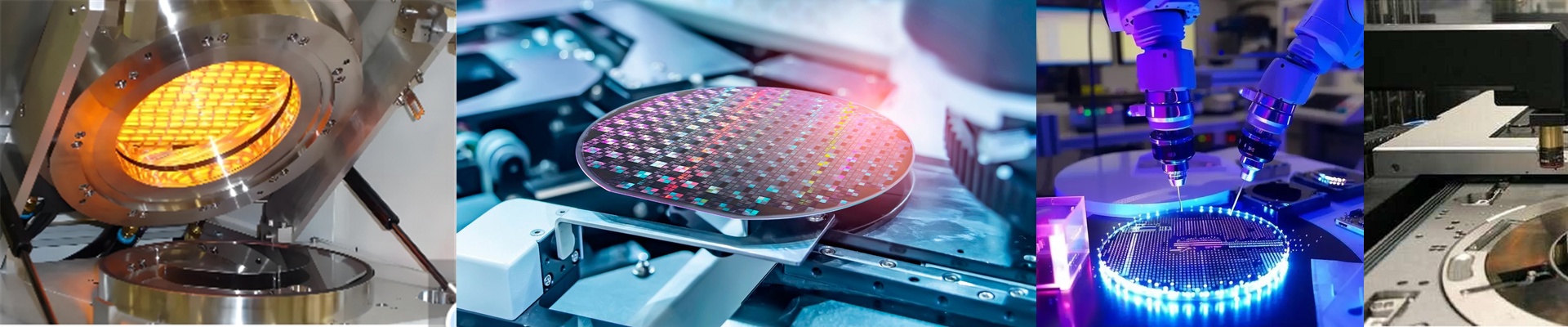
If you’ve spent any time in semiconductor processing, you know the drill with hot air circulation. It’s slow. You’re basically heating up a giant room of air just to get some heat to move into a tiny wafer. It feels like trying to warm up a house by heating the driveway first. That’s why we’ve moved toward infrared (IR) heating. Instead of waiting on the air, IR uses radiation to hit the target directly. It’s a straight shot. The secret is in the reflector Here is the thing: a curing lamp on its own is pretty wasteful. Without a reflector, you’re throwing away half your energy. We use reflectors with special high-reflectivity coatings to bounce those photons right back onto the wafer. It concentrates the heat. Plus, by tweaking the shape of the reflector, we can make sure the heat spreads evenly. No more “cold spots,” no more warped substrates. Just a nice, consistent cure. Stopping the clock on thermal inertia The real headache with air ovens is the wait. You spend forever ramping up the chamber temperature. And if you need to change the temp for a different process? You’re just standing there, waiting for the air to stabilize. It’s a massive time sink. IR systems don’t have that problem. You flip a switch, and the wafer hits the target temperature in seconds.Seconds. That changes your whole day. You get more batches through the door without needing to build a bigger factory. The trade-offs (because nothing is perfect) Now, I won’t tell you it’s a magic wand. IR brings its own set of quirks. Because these lamps are so intense, they generate a ton of heat. You save time on the curing cycle, but you’ll need a cooling system that can actually handle the lamp’s own thermal load. And you have to keep things clean. If the reflector gets dirty, contaminants burn onto the surface. That kills your reflectivity and can cause nasty heat spikes. If you’re thinking about moving away from convection, take a look at your cycle times. If you’re spending most of your day just waiting for things to warm up or cool down, an IR reflector setup is the way to go.