Why we use gold reflectors for IR curing
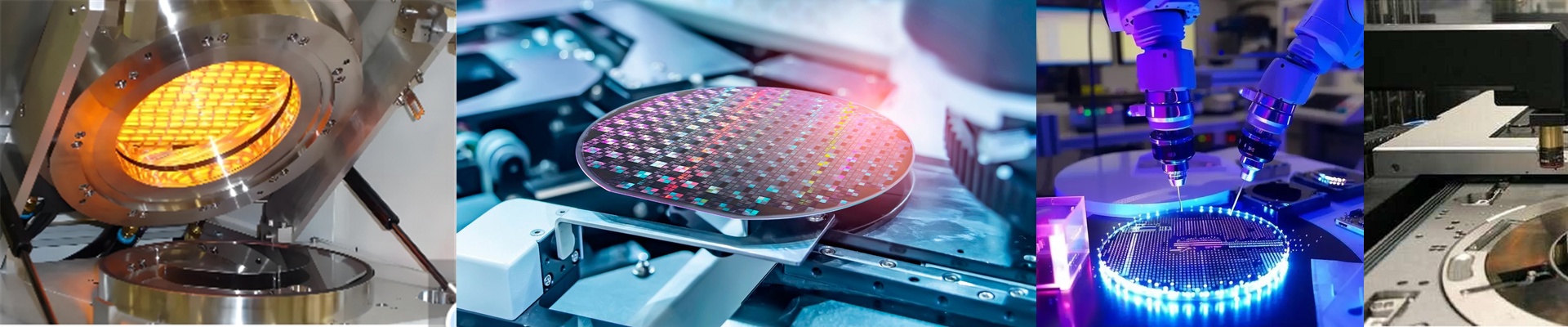
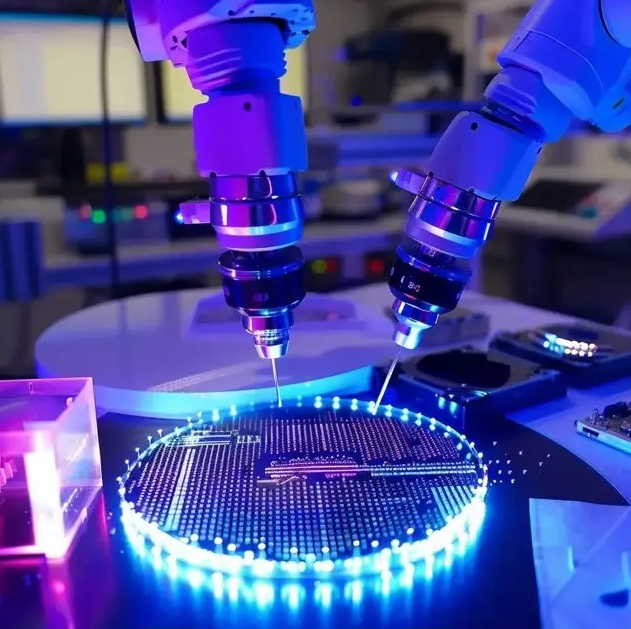
The semiconductor world is pushing hard for “lead-free” and zero-emission setups. It sounds great on paper, but the old-school convection ovens just can’t keep up. They’re energy hogs because they spend half their time heating up the air in the chamber instead of actually heating the part. That’s why we switched to infrared (IR) bulbs with gold reflectors. It changes the whole game—instead of heating the air, we’re beaming the heat directly onto the substrate.
The magic of gold
You might wonder why we bother with gold. Standard aluminum reflectors are okay, but they soak up too much of the IR spectrum. Gold is different. It bounces back over 98% of that radiation. Think of it like a spotlight. Instead of the heat spraying everywhere, it’s focused right where it needs to be. You get a much stronger hit of heat without cranking up the power bill or making the whole room feel like a sauna.
Dealing with lead-free curing
If you’ve worked with lead-free solders or adhesives, you know they’re finicky. If your thermal profile is off, your components warp. It’s a nightmare. With IR curing, you hit your target temps in seconds. Since the heat goes straight into the material, you don’t need massive heating elements humming along 24/7. It cuts your power use and lets you ditch those nasty chemical solvents we used to rely on for drying.
The catch (and how to fix it)
Now, it’s not all magic. High-intensity IR is powerful. If your conveyor belt lags for even a few seconds, you’re going to scorch your substrate. It happens. To stop that from happening, you can’t wing it. You need a solid PID controller and a thermocouple that’s actually been calibrated. When you get the settings right, it’s incredible. We’ve seen curing times drop by 60% compared to those big forced-air ovens. You get your floor space back and your energy costs tank. Just a pro tip: make sure your housing is vented. The gold reflector pushes the heat forward, but the bulb base still gets hot. Give it some breathing room so you don’t fry your sockets.