


Why Gold-Coated IR Lamps Actually Matter for Your Fab
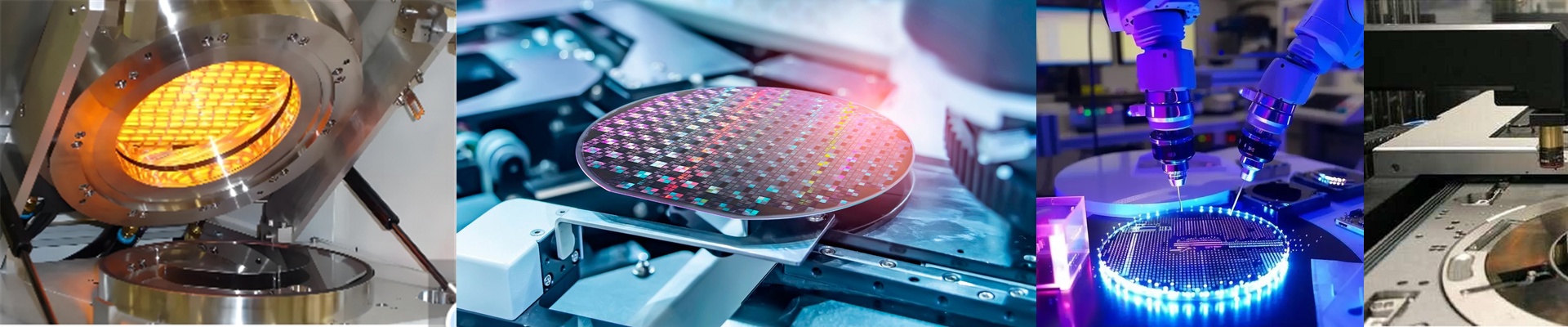
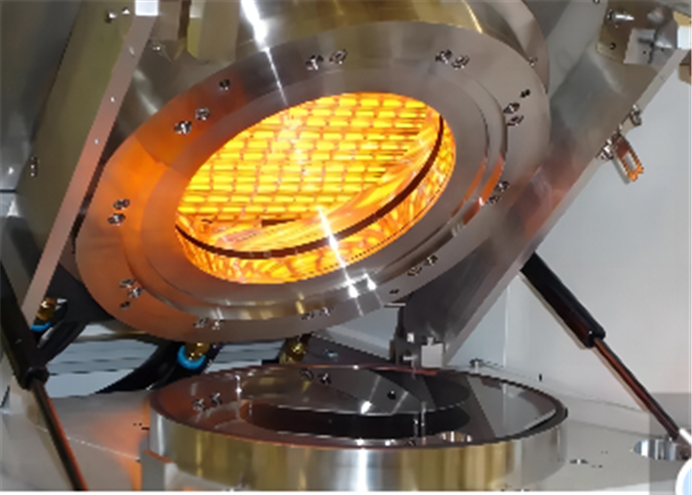
If you’re building out a smart Fab, you know that managing heat is usually a headache. Most people just throw in standard quartz lamps, but here’s the problem: they’re messy. They spray heat everywhere, wasting energy and warming up parts of the chamber that should stay cool. That’s why we use gold-coated infrared lamps. By adding a thin layer of gold to the quartz, we change how the heat moves. Instead of a broad blast, the heat hits the wafer or substrate exactly where it needs to go. It’s precise. It’s clean.
The secret is in the gold
Think of the gold coating as a filter. It pushes long-wave radiation back into the filament and lets the short-wave infrared (SWIR) frequencies fly through. The result? A concentrated punch of heat. Your ramp-up times get faster, and the temperature across the wafer stays consistent. In a fast-moving production line, this is huge. You aren’t sitting around waiting for things to stabilize; you’re actually moving product.
Making it talk to your PLC
For a digital line to work, your hardware needs to be responsive. These lamps don’t waste time heating up a massive volume of air, so they react almost instantly. We pair them with high-speed PID controllers. This lets you tweak the power in real-time, keeping your temperature swings tiny—we’re talking fractions of a degree. It just works.
A few things to watch out for
Now, this kind of heat density isn’t free. These lamps run hot. If you crank up the wattage to squeeze out more throughput, you have to make sure your cooling manifolds can actually handle the load. Don’t just slide these into an old chassis and hope for the best. Check your airflow first. Also, a quick warning for the team on the floor:wear gloves. The gold layer is picky. If someone touches the tubes with bare hands, the oils from their skin burn into the coating during the first heat cycle. This creates hot spots, and those hot spots kill the lamp. Handle them with care, or you’ll be spending your weekends replacing tubes every few months.