

Why We Use Gold-Coated Twin Tube IR Lamps for Semi-Conductors
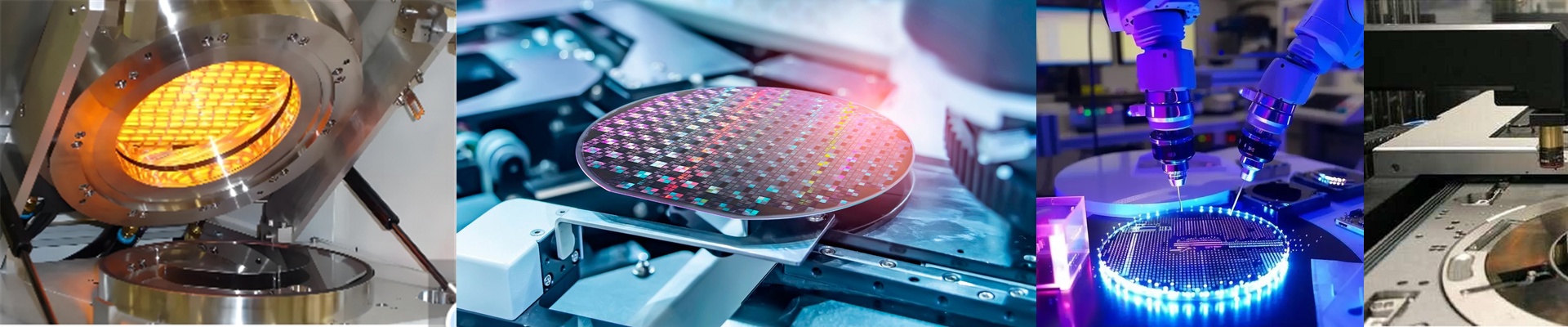
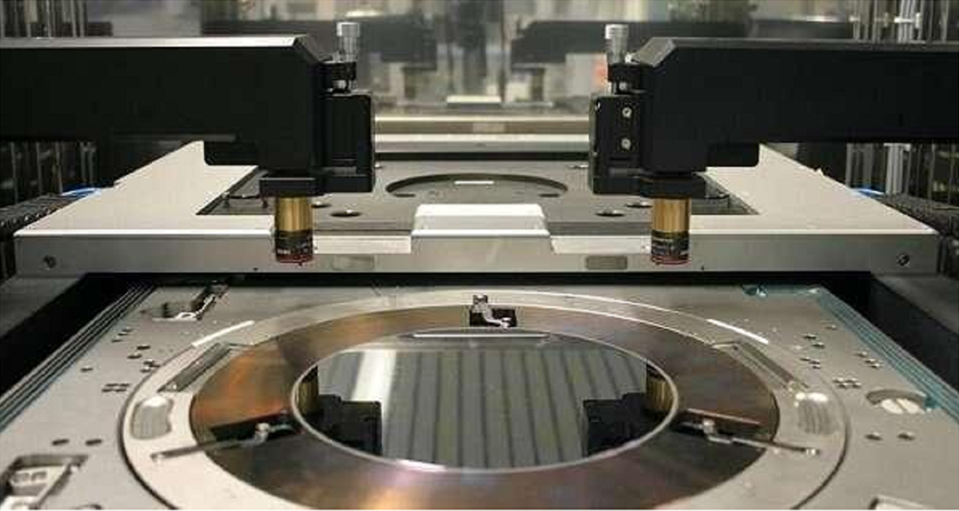
The semiconductor world is pushing hard for “green” and lead-free drying. It makes sense. For a long time, we relied on convection ovens, but let’s be honest—they’re energy hogs. They spend way too much time heating up the air around the part instead of the part itself. That’s why we shifted to twin tube gold-coated infrared (IR) lamps. Instead of warming the room, these lamps shoot energy straight into the substrate. It’s cleaner, faster, and it means you can ditch those nasty chemical solvents during curing. The magic of the gold coating Standard quartz tubes just throw heat everywhere. It’s messy. But when you put a gold coating on the inner wall of a twin tube, it acts like a mirror. It reflects all that IR energy forward into a tight, intense beam. The best part? You get way more heat hitting your target without actually pulling more power from the wall. Plus, since the heat isn’t leaking all over the machine chassis, your cleanroom stays cool. No one likes a cleanroom that feels like a sauna. Why the “Twin Tube” thing matters We use the twin tube setup because it gives us more surface area to work with without taking up more space. This is how we get a smooth, even heat across a wafer or PCB. You won’t find those annoying “hot spots” that usually happen with single-element heaters. These things are built for speed, too. They ramp up to temperature in seconds. Just flip a switch and you’re ready to go. The trade-off (the part we need to get right) Now, here’s the catch. Because these lamps are so powerful and push so much energy forward, the back end of the assembly can still get pretty toasted. You can’t just slap these in and forget about them. You’ve got to be smart about your exhaust fans and heat sinks. If your airflow is blocked, the filaments will burn out way sooner than they should. It’s a simple fix, but a critical one. Moving to this setup is a huge step toward hitting those zero-emission goals. You stop burning fossil fuels to heat your parts and switch to a targeted, all-electric process that actually works.