Why You Can’t Cut Corners on Bathroom Heating Tubes
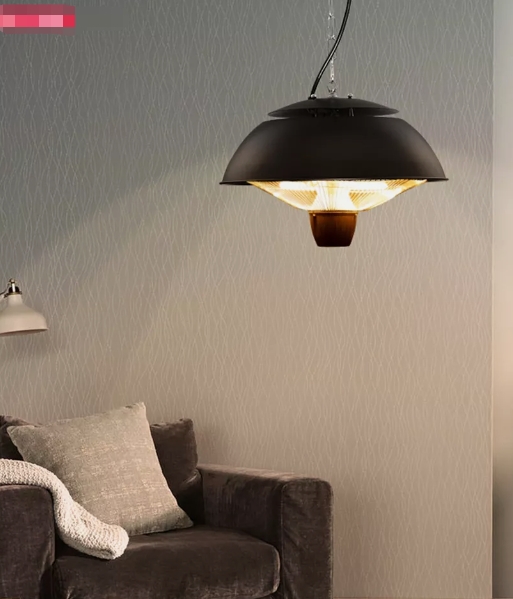
Bathrooms are brutal on electronics. You’ve got thick steam, freezing tiles, and sudden temperature swings all happening at once. If you’re putting a short-wave infrared heater in a shower area, the heating element is basically playing a dangerous game. Imagine a tube glowing at 1,000°C. Now imagine a single, cold drop of water hitting it. With standard quartz glass, that’s a recipe for a loud pop and a mess of shards. Not exactly the vibe you want while you’re naked and soapy. The deal with “Thermal Shock” That’s why we use explosion-proof quartz. It’s just better at handling the stress of expanding and contracting. The filament hits peak heat in a matter of seconds. If the glass isn’t built for this, a little splash of water causes the glass to freak out and crack. We treat the quartz so that even if something does go wrong, it doesn’t shatter into a million pieces. It stays contained. It’s about peace of mind. What actually makes it safe? It really comes down to the purity of the quartz and getting the wall thickness just right. We build these specifically for “wet rooms” where moisture is everywhere. One quick tip: make sure your wiring and housing can actually handle the wattage. You don’t want to overheat the chassis just because the wires were too thin. The honest trade-offs The best part about these heaters? The heat is instant. You don’t have to wait for the whole room to warm up; you just feel it on your skin immediately. It’s a lifesaver in a drafty bathroom. But here is the catch. High-wattage tubes pull a lot of power. If you’re updating an old bathroom, please check your circuit breaker. If you try to wire these into a basic lighting circuit, you’re probably just going to trip the breaker. I always recommend running a dedicated line for the heater. It keeps the filament from flickering and helps it last longer because you aren’t dealing with voltage drops. Also, give it some breathing room. Keep the fixtures a safe distance from the wall so you don’t end up scorching your paint.