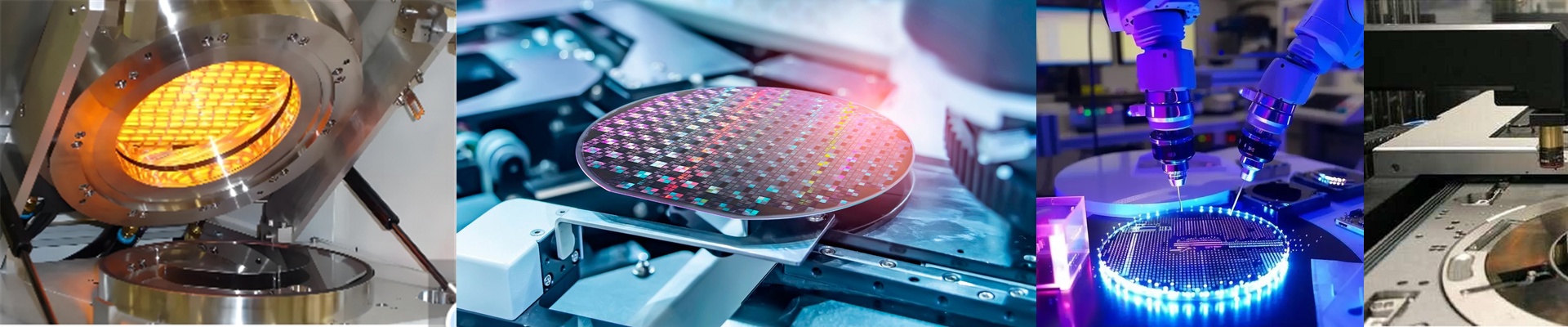
Making Every Watt Work Hard in Wafer Processing
You know how it is in wafer processing: every single watt of energy has to pull its weight. The old way—using standard temperature sensors—just bleeds a ton of heat into the air. Wasted. So we built something different: a temperature sensor wrapped in gold, designed to bounce heat right back where it belongs. The whole point is simple: get as much usable heat onto the wafer as possible, instead of letting it drift away.
The power behind the heat
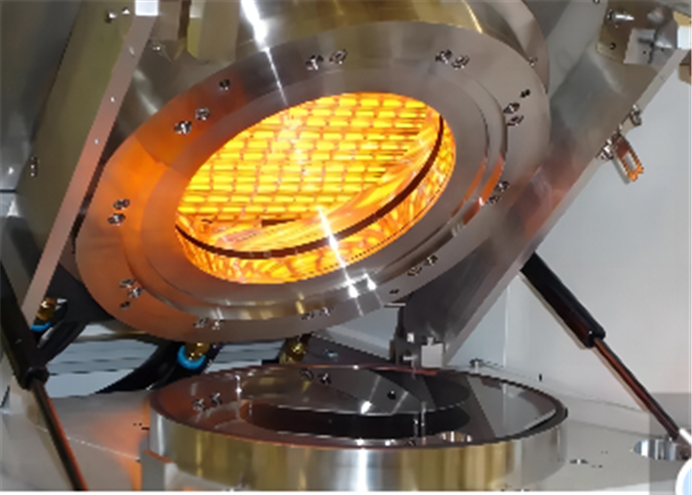
This sensor isn’t just watching the temperature. It’s actively shaping it. The design takes the electrical power you feed it and turns it into focused, directed heat. It feels intentional in action. The sensor helps keep the thermal profile steady, so the wafer gets the energy density it needs, when it needs it. The physics behind it are pretty clean. The gold coating acts like a mirror in the infrared spectrum. It catches stray thermal radiation and throws it back onto the target area, concentrating the heat where it matters. That’s how you end up with lower power draw while still holding the same process temperature. In practice, that means lower operating costs and thermal control that feels more stable.
Why the gold coating matters
The gold isn’t just for looks. It’s a working thermal reflector. It keeps the sensor body cooler by reflecting heat inward, which protects the internal parts and helps the measurements stay steady. And it holds up over long runs, even when temperatures are cycling hard. Installation? It’s tool-room simple. Same mounting footprint. Solid terminal connections. You can drop it in without re-engineering the tool. It’s built to take the pounding of production and keep performing.
What it does on the line
When you’re running wafer tools, thermal uniformity is the heartbeat of quality. This sensor helps you keep temperature tight across the wafer, which can reduce edge defects and improve yield. And because the energy is focused, the system hits setpoint faster—without overshooting—so cycle time drops. There is one thing to keep in mind: focused, high-energy heat needs a cooling system that can keep up. Make sure your tool’s cooling is up to the concentrated load. When it is, the sensor turns electrical input into real, repeatable thermal work—less waste, more consistency. We built this because watts are too valuable to waste. You get accurate sensing, better thermal focus, and a tough unit that doesn’t quit when the pressure is on.