
Stop Waiting on Your Oven: Why IR is Beating Hot Air in the Cleanroom
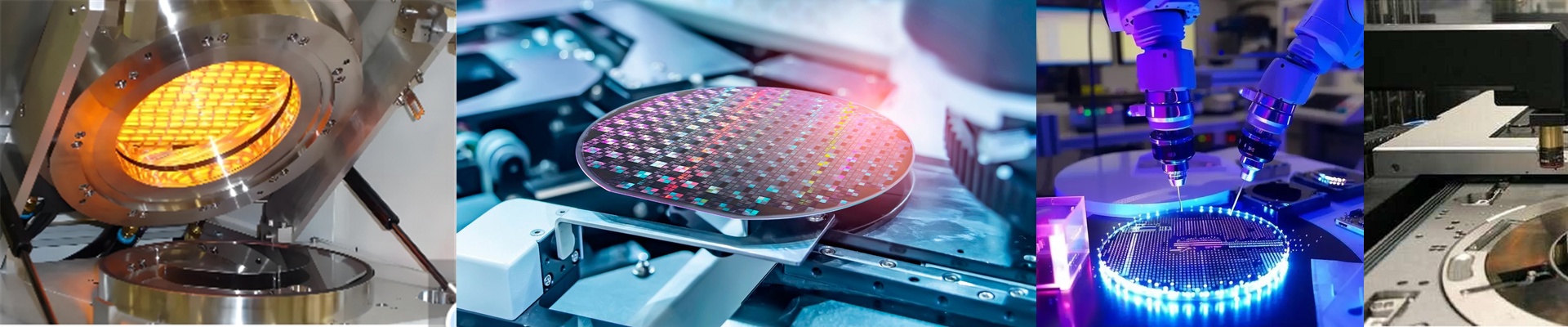
If you’ve spent any time in semiconductor processing, you know the pain of waiting. You’re standing there, staring at a hot air chamber, just waiting for the temperature to stabilize so you can actually get to work. It’s a slog. Lately, we’ve been seeing more people ditch the hot air circulation and move toward infrared (IR) lamps for their bench heating. The reason is simple: it’s all about how the heat actually gets to your substrate. Hot air is slow. It has to heat the air, then the chamber, and then finally your part. It’s like trying to warm up a room with a space heater in the hallway. IR lamps are different. They send radiant energy straight to the target. It’s fast. Really fast. Think about your daily schedule. If you can turn a 20-minute warm-up crawl into a 30-second snap, your entire day opens up. You stop planning your life around the equipment and start actually getting things done. Plus, there’s the cleanliness factor. Forced-air systems are basically big fans. They move air around, and in a cleanroom, moving air is usually a bad thing—it kicks up particles and puts your wafers at risk. IR lamps just sit there. No blowing, no gusting, just heat. You also get your desk space back. You can toss the bulky blowers and the messy ducting. You just wire the lamps, set the distance, and you’re good to go. But, look—it’s not perfect. Since IR is directional, it only heats what it can “see.” If your part has weird shapes or deep pockets, you’re going to end up with cold spots. You can’t just slap the lamps in and hope for the best; you have to be intentional about where they go to make sure the heat is even. One last thing for the engineers: keep an eye on your power. IR lamps pull a lot of current to hit those temperatures so quickly. Before you swap things over, make sure your bench power supply can handle the spike without tripping a breaker. And if you’re running a high-wattage setup, grab some dedicated controllers. It’ll stop the temperature from overshooting and keep your substrates from getting a nasty thermal shock.