
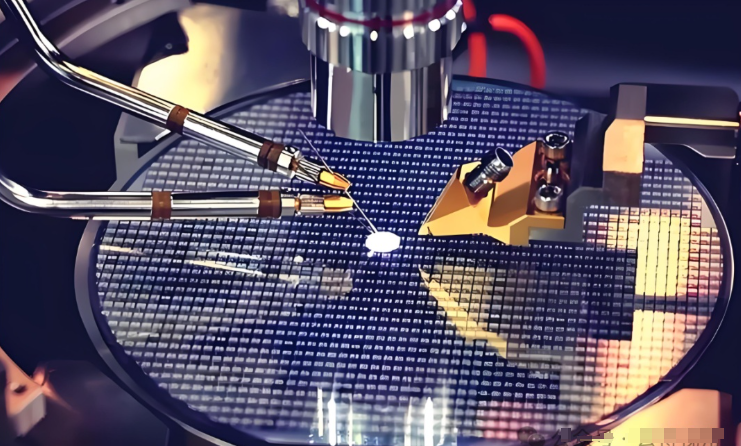
Why we’re switching to IR curing for clean room trolleys
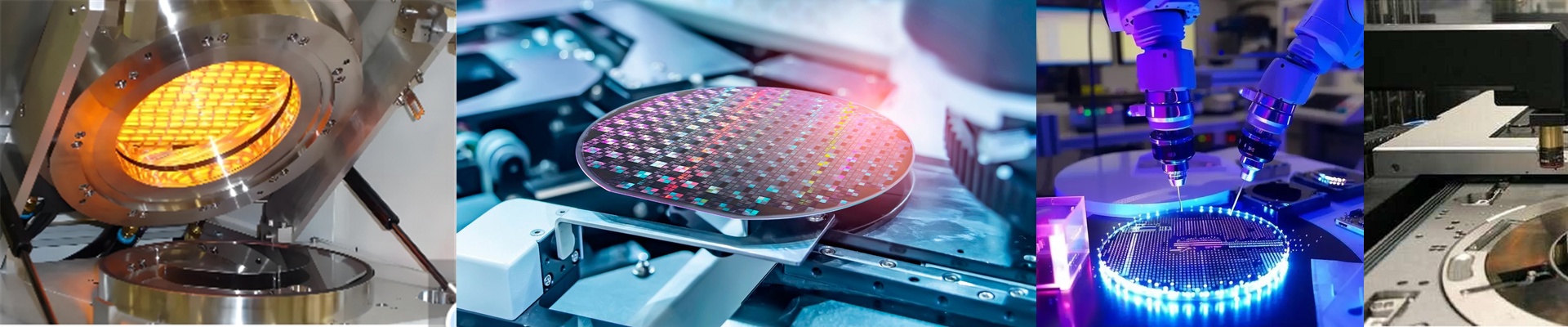
Let’s be honest: the old way of heating semiconductor trolleys—using convection and resistive heaters—is getting tired. It’s slow, it’s clunky, and it wastes a ton of energy. That’s why we’re seeing a big move toward infrared (IR) curing. It just makes more sense, especially with all the new push for lead-free processes and saving power. How the physics actually works Think about a hot air oven. You’re basically heating up the entire room, the air, and the metal frame of the trolley just to get the part hot. It’s a waste. IR is different. It’s like stepping into the sun on a cold day. The short-wave radiation goes straight for the wafer or the component, ignoring everything else. You aren’t burning kilowatts to heat the air. You just hit the target. It’s fast. Really fast. Cleaning up the process Then there’s the “green” side of things. Old-school soldering and curing often relied on chemicals or fluxes that smell terrible and off-gas into your clean room. With IR, you get a level of control that’s almost surgical. You can hit that exact glass transition temperature (Tg) for lead-free solder pastes without accidentally cooking your sensitive silicon. No overshooting, no ruined batches. Plus, a good IR setup doesn’t create ozone or combustion junk. It’s clean. We can actually use that thermal energy to push out volatiles, which means we don’t have to lean so hard on those heavy solvent cleaners. The tricky parts Now, IR isn’t magic. There are things you have to watch out for. The biggest headache?**Hot spots.**If your lamps aren’t aligned perfectly, you’ll end up with some parts that are cured and others that aren’t. You have to be really picky about your reflectors and the distance between the lamp and the part to make sure the heat is spread evenly. We’ve designed these to be easy drop-in replacements for those old convection heaters. They take up less space and pull less power. Just a heads-up: keep an eye on your clean room airflow. Those lamps create localized heat spikes, and you don’t want your facility’s temperature alarms screaming at 3 AM because the air didn’t move fast enough.