

Stopping the Flake: How to Handle Heating in Class 100 Cleanrooms
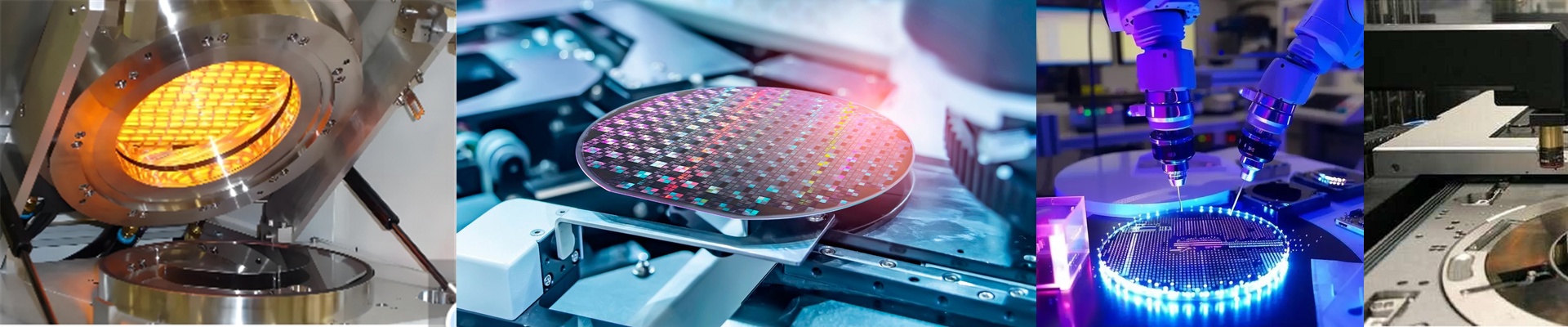
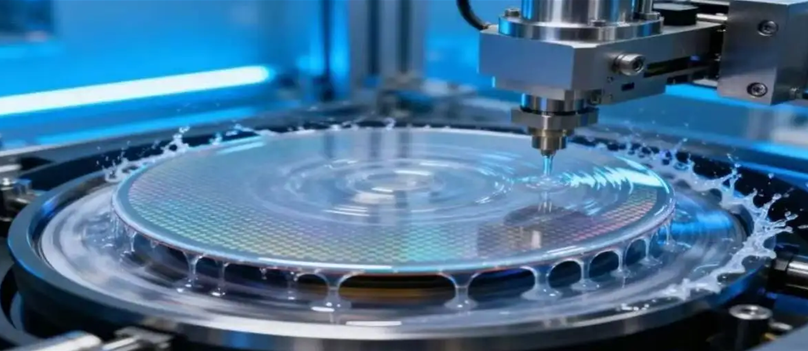
If you’re running a Class 100 (ISO 5) cleanroom, you already know the nightmare of outgassing. One tiny piece of debris or a whiff of VOCs hitting your wafers at peak temp, and your yield just tanked. Standard heating coils are a gamble. They flake. They peel. They just don’t belong in a high-stakes environment. That’s why we stick with high-purity synthetic quartz infrared lamps. Why Quartz? It comes down to the material. We use fused silica that’s clean enough to keep ions from drifting into your semiconductor wafers. Unlike those metal-sheathed heaters that oxidize and shed skin over time, quartz stays put. It’s chemically inert. No peeling, no metallic dust landing on your substrates, no surprises. Plus, the short-wave infrared radiation hits the target directly. You aren’t wasting energy heating up the entire chamber just to get the part warm. The Nitty-Gritty on Power These lamps are built for the heavy lifting. When you’re planning for rapid thermal processing, the only thing that really matters is the wattage-per-centimeter. We can tweak the voltage and wattage to fit your specific power supply, but here’s a heads-up: high-wattage quartz getshot. Really hot. If you push the power, make sure your wiring and mounting brackets can take the heat. If they can’t, you’re just looking at a premature burnout. Getting Them Installed (and Keeping Them Alive) We use standard connectors, so you can just swap these into your existing arrays without a headache. The quartz envelope is sealed tight, which keeps the internal filament from oxidizing. But, there is a catch. Quartz loves heat, but it hates being bumped. It’s fragile when it comes to mechanical shock. If your clamping system is too tight or puts direct pressure on the tube, you’ll start seeing stress fractures. It’s a slow burn, but it happens. My advice? Use soft-touch supports. It keeps the lamps secure and lets them breathe during thermal cycling without risking a crack.