Why We Use Infrared Curing for Biosensors and Chips
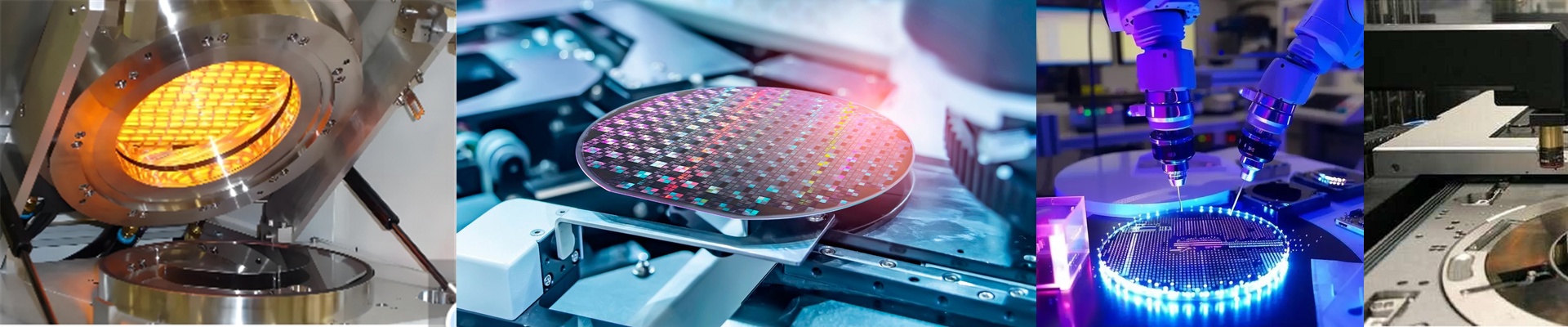
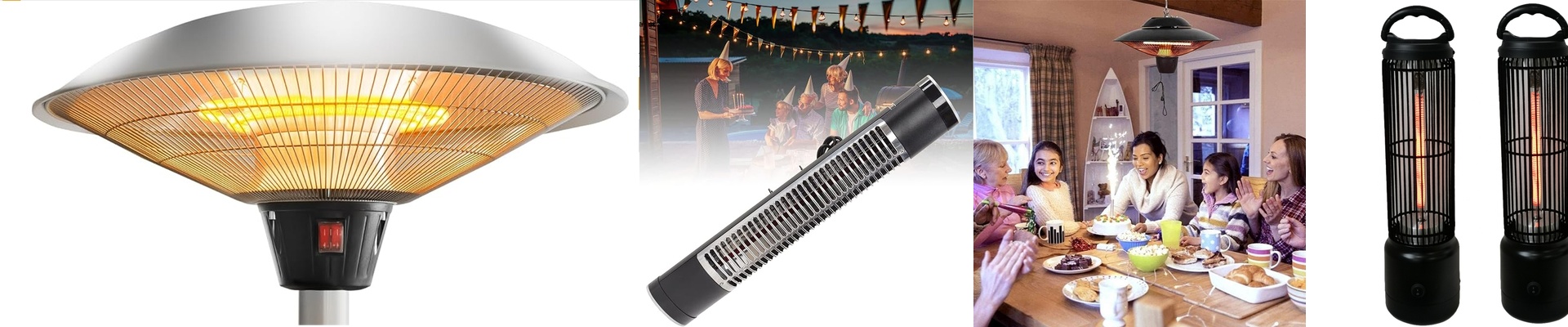
When you’re building biosensors, you’re walking a tightrope. You need enough heat to set your polymers and reagents, but if you go overboard, you’ll fry the substrate and ruin the whole batch. That’s why we stick with short-wave infrared (IR) lamps. Instead of heating up the air in a room, IR sends energy straight into the material. It’s direct. It’s fast. And it just makes sense.
The “Green” Side of Drying
Think about a standard convection oven. You’re basically heating a giant box of air just to dry a tiny piece of hardware. It’s a waste of power, and usually, you have to dump in chemical solvents just to get things to evaporate faster. IR changes that. We target the specific parts of the material that actually need the heat. The result? You get a much faster ramp-up and your equipment doesn’t take up half the lab. Plus, since it’s all electrical and thermal, we can ditch the lead-based catalysts and those nasty VOC solvents. It’s a cleaner way to work, which is exactly what the semiconductor industry is pushing for right now.
Getting the Temperature Just Right
Overheating is the enemy here. If the substrate gets too hot, your sensor loses its sensitivity, and you’ve just made a very expensive paperweight. We handle this by tweaking the wattage and wavelength of the IR source. Short-wave IR is great because it digs deep into the coating. It ensures the bottom layer cures at the same speed as the top. This stops that annoying “skinning” effect where the surface hardens into a shell and traps wet solvents underneath. Nothing is worse than a sensor that looks dry on the outside but is still gooey in the middle.
The Trade-offs (Because Nothing’s Perfect)
Now, IR isn’t a magic wand. The biggest headache is that it’s line-of-sight. If your biosensor has a weird 3D shape or deep grooves, you’re going to get shadows. To fix that, you can’t just use one lamp; you’ll need a multi-lamp array or a fixture that rotates the part so every angle gets hit. One more thing: watch your cooling. Because IR packs so much heat into a small area, your fans need to be beefy. If you under-spec the cooling, the board will keep soaking up residual heat even after the lamp clicks off, and that’s how you end up with a warped substrate.