Stop Letting a Single Tube Burst Kill Your Batch
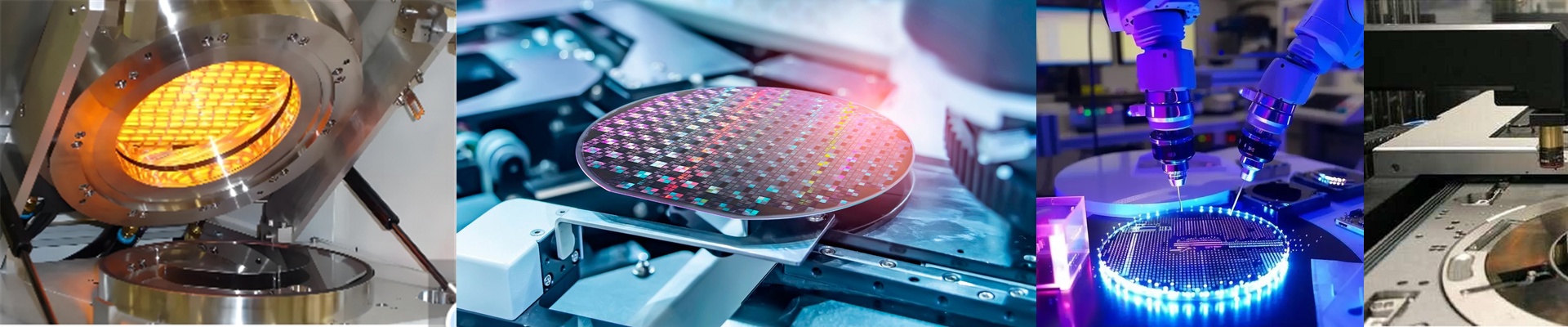
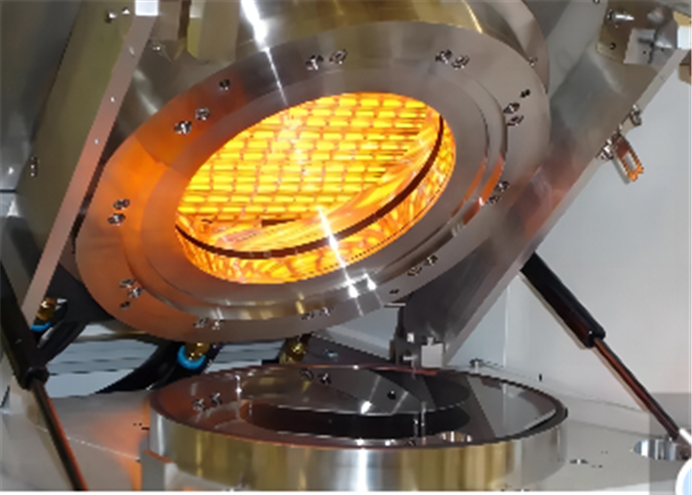
In bio-sensor fabrication, one bad break can ruin everything. It’s a nightmare scenario: an infrared tube pops under a heavy load, and suddenly your wafers are covered in glass shards and halogen debris. Just like that, an entire batch is scrap. We’ve been there. That’s why we built our IR lamps to actually survive the pressure of a real production floor. Why do these things blow? Usually, it comes down to thermal shock. You crank up the power, the glass can’t keep up, and it cracks. We solve that by using high-purity fused quartz. It doesn’t expand or contract wildly, so it stays stable even when you’re ramping up the heat fast. Then there’s the filament. If it sags—even by a tiny bit—and touches the wall, it creates a hot spot. Boom. Glass breaks. We obsess over the centering tolerances so that doesn’t happen. It’s a small detail, but it’s the difference between a smooth shift and a disaster. Keeping the mess out of your wafers Even with the best glass, things happen. To keep your workspace clean, we use a protective containment system. Think of it as a safety net. We pair our quartz envelopes with a secondary safety sleeve. If the inner tube fails, the sleeve catches the fragments before they ever touch your product. We also beefed up the seals at the connection points to make sure you aren’t dealing with gas leaks. A few things to keep in mind Here’s the honest truth: high-wattage lamps give you the heat density you need for rapid curing, but they’re hungry. Make sure your controllers can handle that initial surge of power when they kick on. And check your cooling fans. If they aren’t moving enough air to fight the ambient heat, your lamps won’t last nearly as long as they should. We build these to take a beating in a 24/7 cycle. They’re drop-in replacements, so you can swap them into your existing rack without having to rewire the whole room. Just stick to the recommended voltage, and you’ll be good to go.