Getting the Heat Right in Biosensor Fabrication
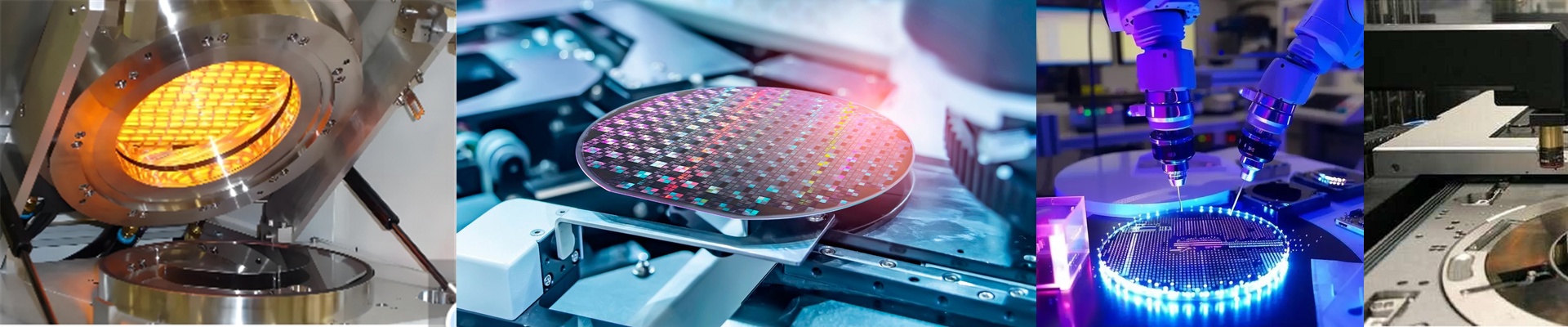
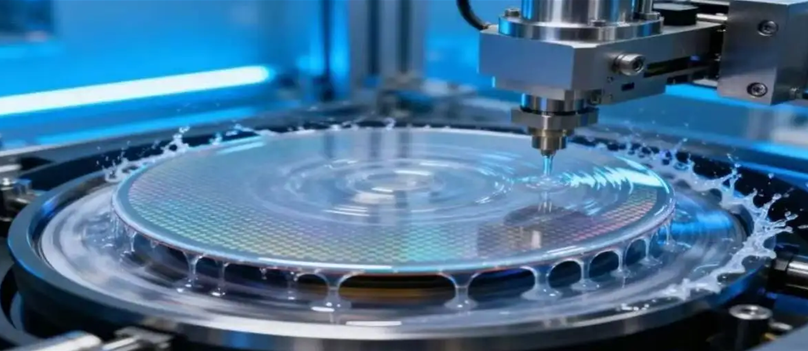
When you’re building biosensors, temperature is everything. You need those polymer cures and bio-active layers to be just right, or the whole thing is scrap. For a long time, everyone just used convection ovens. But if you’re running a Smart Fab, those feel like relics. We’ve shifted over to infrared (IR) systems. Why? Because IR doesn’t waste time heating up the air in the room—it goes straight for the substrate. It’s faster, it’s cleaner, and it keeps your footprint small. The tricky part: Density and Control To get those tight tolerances, you need some serious power. We lean on shortwave IR lamps. They’re great because the heat actually sinks into the thin-film layers without cooking the carrier substrate. But here’s the thing: you have to be careful with your power grid. If your voltage and wattage aren’t perfectly aligned, you’ll get voltage drops. That leads to uneven heating across the wafer, and that’s a nightmare to fix. Plus, if you’re running a high-power array, don’t skimp on the cooling manifolds. Make them oversized. If you don’t, the ambient heat will just drift, and your sensor calibration will be all over the place. Making the hardware actually work for you We’re all about the data now. We hook these lamps up to PID controllers and real-time pyrometers so the system can adjust the power on the fly based on what’s actually happening. I also make sure we use standardized connectors. It sounds like a small detail, but when a lamp goes out, you want a “drop-in” replacement. No fussing, no custom wiring—just swap it and get back to work. Oh, and we use quartz envelopes. They keep the output clean so your biological samples don’t get contaminated. The balancing act: Speed vs. Stress It’s tempting to crank up the heat to get things moving faster. More throughput is great, but if you’re too aggressive, you’ll literally burn the organic layers right off the sensor. It’s all about the distance between the lamp and the target. I usually suggest a stepped heating profile. It’s a gentler way to get to the target temperature. It prevents thermal shock and keeps the material intact, all while keeping your takt time fast. It just works.