

Stop Wasting Heat: Why Gold-Coated IR Just Works
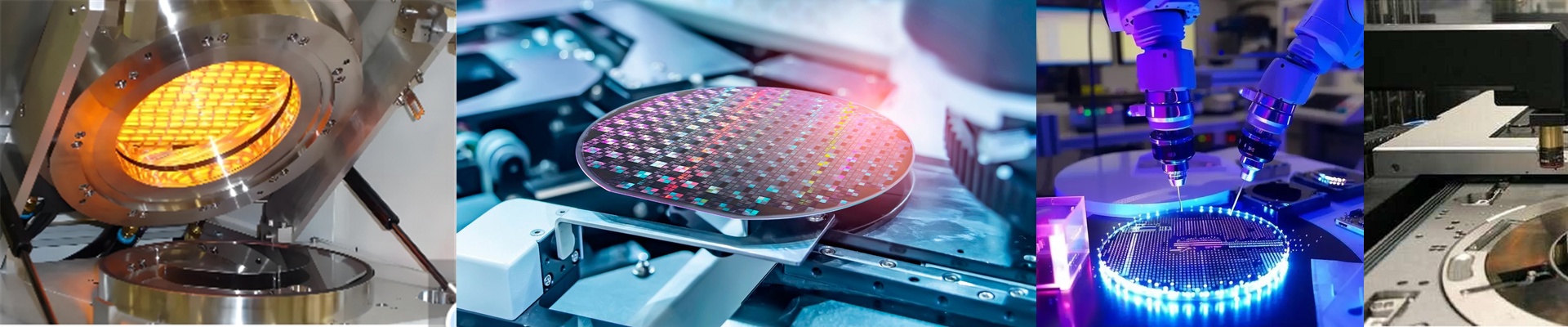
When you’re working inside a vacuum chamber, you’re fighting a battle with physics. Since there’s no air to move heat around, you’re relying entirely on radiation. If you’re heating silicon wafers and that energy is leaking into the chamber walls, you’re basically throwing power and time down the drain. That’s where the gold comes in.
The trick to focusing energy
Most people start with aluminum reflectors, but here’s the problem: aluminum absorbs a decent chunk of infrared energy. It’s not great. Gold is different. In the infrared spectrum, gold is practically a mirror. By lining the heater housing with a precision gold layer, we aren’t just “reflecting” light—we’re bouncing those photons straight back onto the wafer. It feels like switching from a dim bulb to a spotlight. You get a much tighter heat density on your target without having to crank the voltage and stress your equipment.
Handling the speed
Because the energy is so focused, you’ll hit your target temperatures a lot faster. Your cycle times drop, which is great for your bottom line. But a heads-up: this speed can catch you off guard. Since the heat ramps up so quickly, your thermal sensors need to be spot on. If your PID loop isn’t tuned for that extra punch, you might overshoot your set point. And nobody wants to accidentally fry a substrate.
Built to last in a vacuum
We designed these for high-vacuum environments where “outgassing” is the enemy. If your materials flake or off-gas, your whole chamber is contaminated. Gold is chemically inert. It doesn’t react, it doesn’t flake, and it doesn’t degrade during thermal cycling. You get a consistent, stable radiation profile for thousands of hours. It just stays put. One last thing before you wire these in: check your power supply. Make sure it can actually handle the lamp’s wattage. Even though the gold makes the process more efficient, those lamps still get incredibly hot. Make sure your cooling jackets are up to the task—you don’t want that heat creeping toward your chamber seals and causing a leak.