Stop Baking Your Tool Cabinets
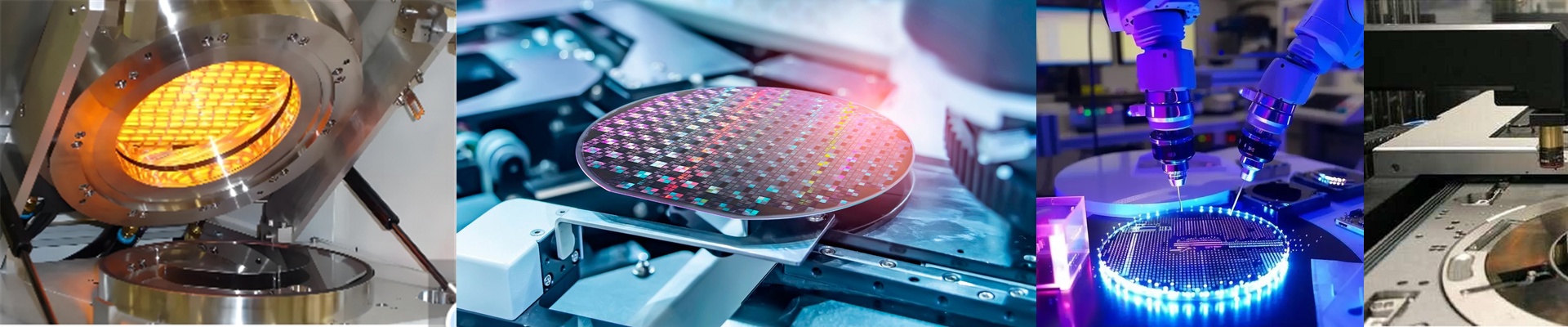
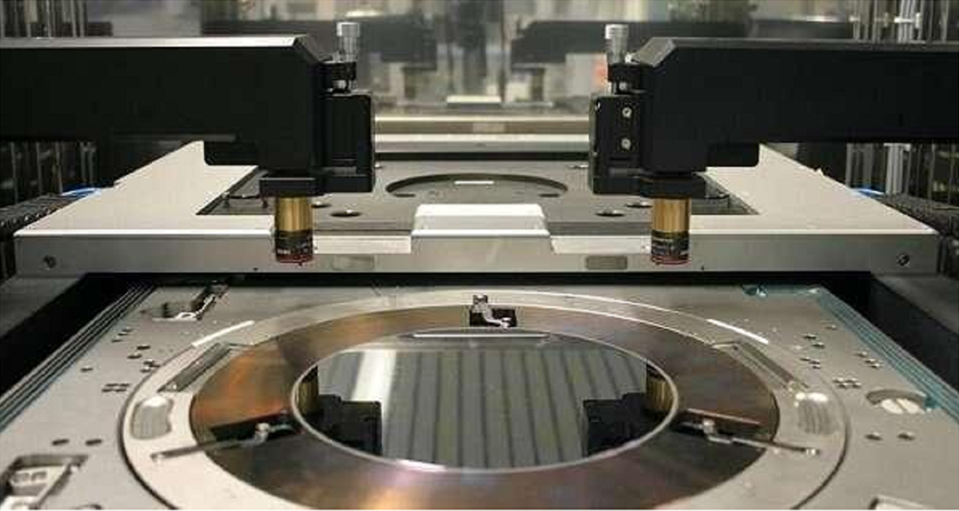
If you’ve ever worked on a semiconductor tool, you know the struggle. You need to get the inside of the machine hot, but you don’t want to turn the entire cabinet into an oven. Traditional convection heaters are blunt instruments. They just warm up everything nearby. Before you know it, you’ve got “heat soak”—where the outer walls are hot enough to burn an operator’s hand and your cleanroom’s ambient temp is drifting all over the place. It’s a mess. The trick is using short-wave IR lamps. Here’s why it works: IR radiation travels in a straight line. It doesn’t need to push air around to get the job done. When we set up a directional IR system, the energy goes straight to the workpiece. The chassis stays cool because the metal walls just aren’t designed to soak up those specific wavelengths. But you can’t just toss a high-wattage lamp into a tight spot and call it a day. If the lamp is too powerful for the space, you’ll get hot spots. And hot spots lead to warped components. We spend a lot of time balancing the wattage and the focal length to make sure the heat lands exactly where it’s supposed to. The wiring is just as critical. We use high-temp leads because nobody wants to deal with melted insulation near a burner. And the reflectors? They have to be mirror-polished. If they’re dull, the beam scatters, and you’re right back to square one—wasting heat on the cabinet walls. Now, this isn’t a magic fix. Because the heat is so concentrated, things can get out of control fast. If your PID loop isn’t dialed in perfectly, your target can overheat in a heartbeat. You absolutely have to pair these lamps with fast-response thermocouples. If your sensor lags even a little bit, you’ll burn right through your substrate before the controller even realizes there’s a spike. It’s a tightrope walk, but when it works, it’s the only way to go.