Keeping Wet Areas Warm Without the Headache
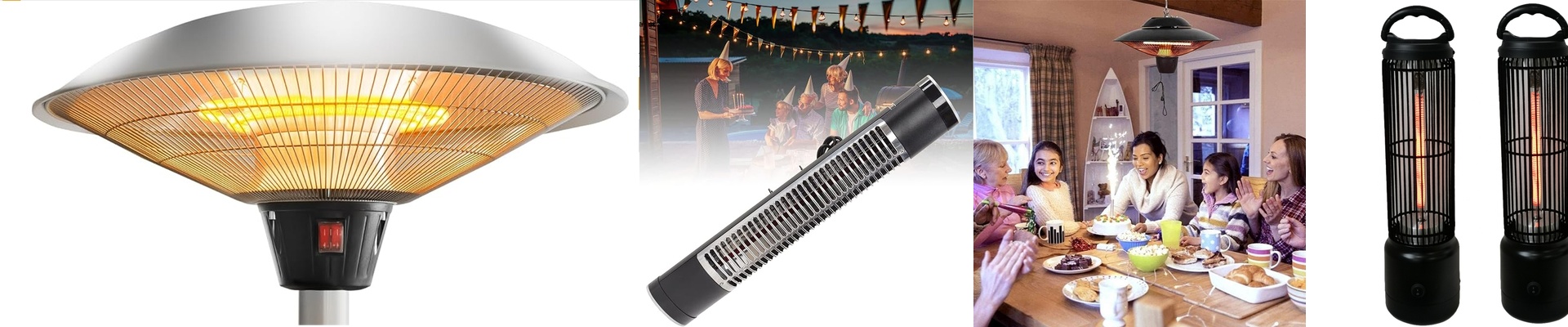
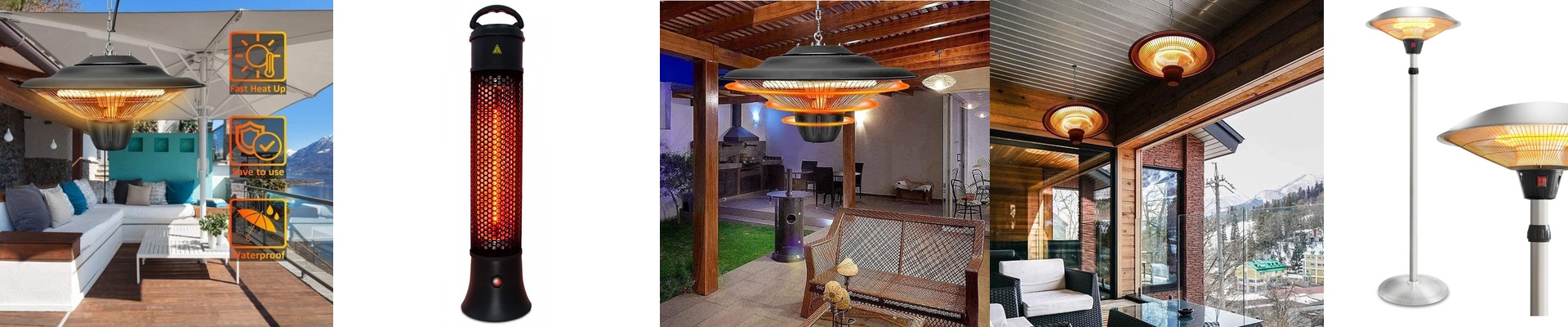
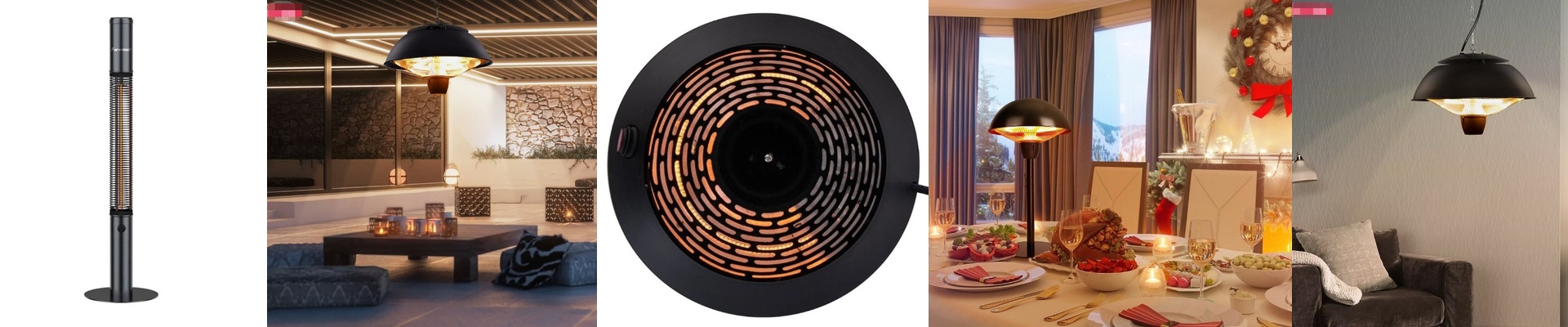
Nobody likes stepping out of a shower or a pool into a freezing cold changing room. It’s miserable. To fix that, you need heat that hits you instantly—not something that spends twenty minutes trying to warm up the air in the room. That’s where shortwave infrared comes in. We build these replacement elements to beam heat directly onto the person, skipping the middleman. And since we’re talking about wet areas, we make sure everything is IP65 rated. Basically, that means we’ve locked out the moisture and dust so you don’t have to worry about short circuits when things get steamy.
The Power Behind the Heat
We use high-wattage quartz tubes because they’re fast. Really fast. By packing a lot of power into a small space, the filament hits its peak temperature almost the second you flip the switch. You feel it immediately. Now, if you’re going for that high-end, “luxury spa” level of heat, just a heads-up: make sure your wiring and breakers can handle the draw. You don’t want to be dealing with nuisance trips right when your guests are trying to get warm.
Built to Survive the Steam
We don’t cut corners on materials. High-purity quartz glass is a must because it lets the infrared light pass through without getting blocked. To keep the steam out, we use precision-molded gaskets and tight seals at the end-caps. We also use corrosion-resistant alloys for the electrodes. Why? Because humidity eats standard metal for breakfast. If that seal leaks, the element oxidizes and burns out way too soon. Simple as that.
Swapping Them Out (and Making Them Last)
These are designed to be easy drop-in replacements. You don’t need to tear apart your entire heater housing; you just swap the tube, secure the connections, and you’re back in business. We keep the sizes standard so they fit right into your existing reflectors. A couple of pro tips to keep them running longer:**Don’t touch the quartz glass with your bare hands.**The oils from your skin create hot spots that can actually crack the glass. Also, keep your reflectors clean. If they get dusty, your heat doesn’t “throw” as far, which forces the element to work harder than it needs to. A quick wipe-down goes a long way.