
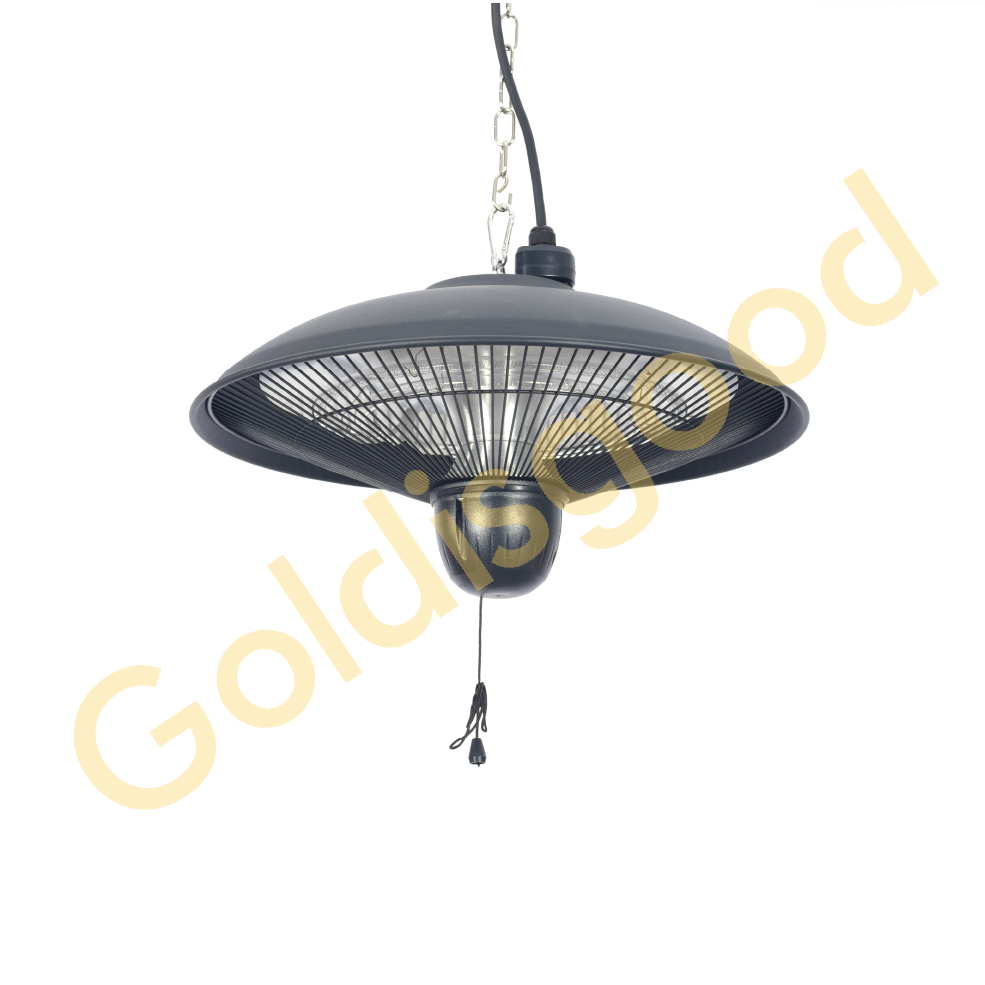
Keeping Your Outdoor Heater Alive: The Truth About IP65
Let’s be honest: the outdoors is a nightmare for electronics. Between the sudden rain showers and the dust that seems to get into everything, most gear just gives up. If you’ve ever had a heater die right when you actually needed it for a chilly evening, you know exactly what I mean. That’s why we obsess over the IP65 rating. It sounds like a boring technical code, but in plain English? It means we’ve built a fortress around your heating element.
How we actually keep the water out
We don’t just slap some tape on the edges and call it a day. We use thick silicone gaskets and reinforced seals everywhere the wiring hits the chassis. Think of it like a high-quality raincoat for your heater. We’re blocking the splashes and the rain from ever touching the electrical terminals. Why? Because water and electricity are a bad mix. One leak and you’ve got a short circuit or rust eating away at the insides. To stop that, we use alloys that just don’t care about the rain—no pitting, no rust, no ugly stains.
The “Crack” Problem
Here is the scary part: thermal shock. Imagine a quartz tube glowing at 600°C. Now imagine a cold raindrop hitting it.**Snap.**The glass can literally crack from the temperature swing. To stop this, we did two things. First, we shaped the airflow to push water away. Second, we added a hydrophobic coating—basically a “water-hating” layer—that makes droplets slide off instantly. Plus, it keeps the glass clear. If the tube gets foggy or wet, the heat gets trapped in the water instead of hitting you. You want the warmth on your skin, not wasted on a raindrop.
The Trade-off
Now, here’s the catch. When you seal something this tightly to keep the rain out, the air can’t move as freely. Because there aren’t any big gaps for the breeze to get in, the internal electronics can get a bit toastier than they would in a cheap, open-frame heater. It’s a fair trade for the protection, but it means you can’t tuck the mounting bracket into a tight corner. Give it some breathing room so it doesn’t overheat. We build these things to take a beating. By keeping the elements away from that infrared tube, the filament lasts way longer. That means you spend your time enjoying your garden, not hunting for replacement parts.