How we actually make bathrooms feel warm
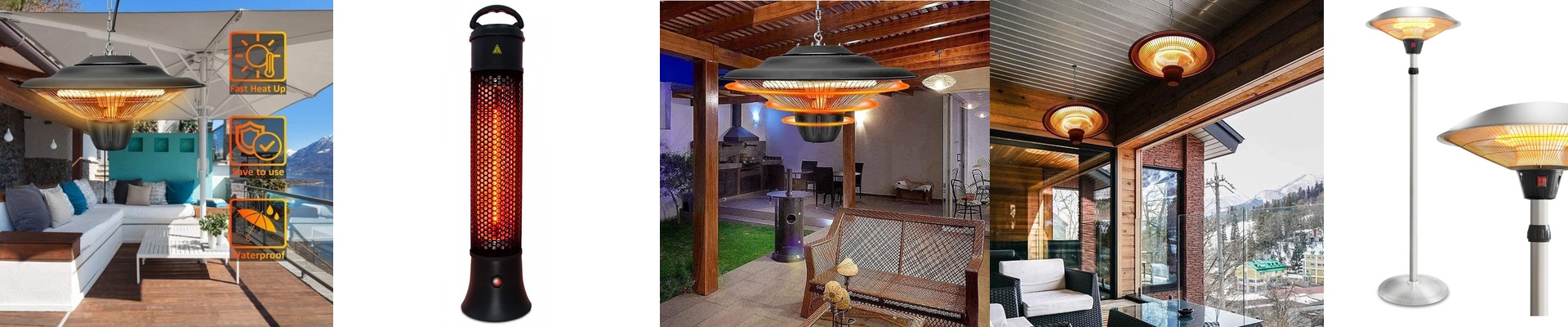
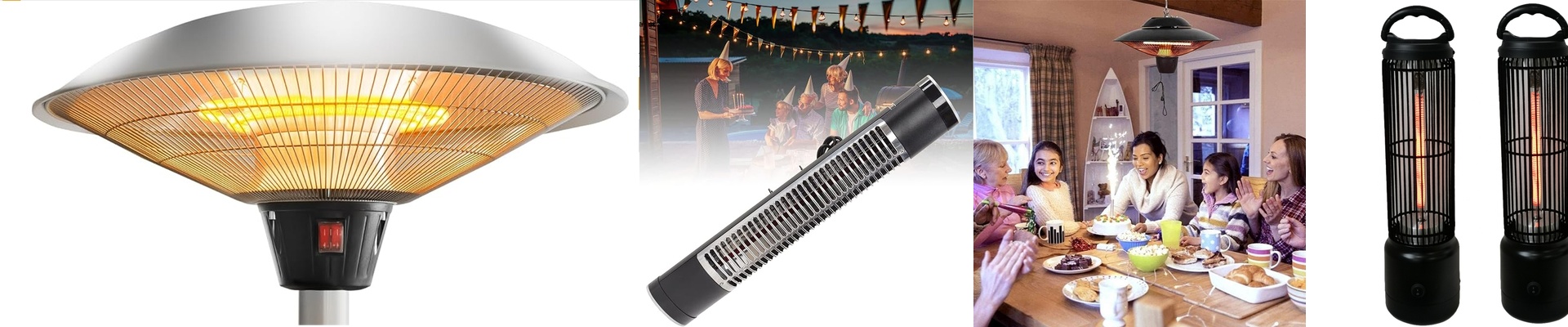
Nobody likes that freezing shock of stepping out of a shower and into a cold dressing area. To fix that, we use short-wave infrared (IR) tech. Here’s the trick: most heaters try to warm up the air, which takes forever. IR is different. It sends energy straight to your skin and the surfaces around you. It’s why you feel the heat the second you turn it on, even if the rest of the room is still chilly.
Picking the right gear
To get that “instant warmth” feeling, we go with high-wattage quartz halogen lamps. Inside these tubes, a tungsten filament gets screaming hot inside a quartz envelope. We use quartz because it doesn’t block the heat; it just lets the energy fly right through to where you need it. But you can’t just throw the biggest lamp you can find in there. We have to balance the power with the size of the room. If we go too heavy on the wattage, you might trip a circuit breaker. Or worse, if there isn’t enough airflow, you could actually melt the adhesive holding up the Mirror or overheat the housing. It’s a balancing act.
Putting it all together
We usually tuck these heaters behind the mirror glass or mount them in the ceiling, using seals that keep the moisture out. The quartz glass is a lifesaver here. It can handle some serious temperature swings—going from a cool 20°C to 600°C in a blink—without cracking. We also keep the connectors simple. Whether it’s a push-in socket or a wired terminal, we make sure the connection is tight. In a steamy bathroom, a loose connection is just asking for rust and corrosion.
The trade-offs
Now, radiant heat is fast, but it’s directional. If you aren’t standing in the “beam,” you aren’t feeling the heat. To stop those annoying cold spots in a big dressing area, we stagger where the emitters go. And then there’s the light. Nobody wants a blinding spotlight in their face while they’re brushing their teeth. We usually use frosted diffusers or coated quartz. It kills the glare but lets all that cozy heat pour through.