Stop Wasting Heat in Your Wafer Chambers
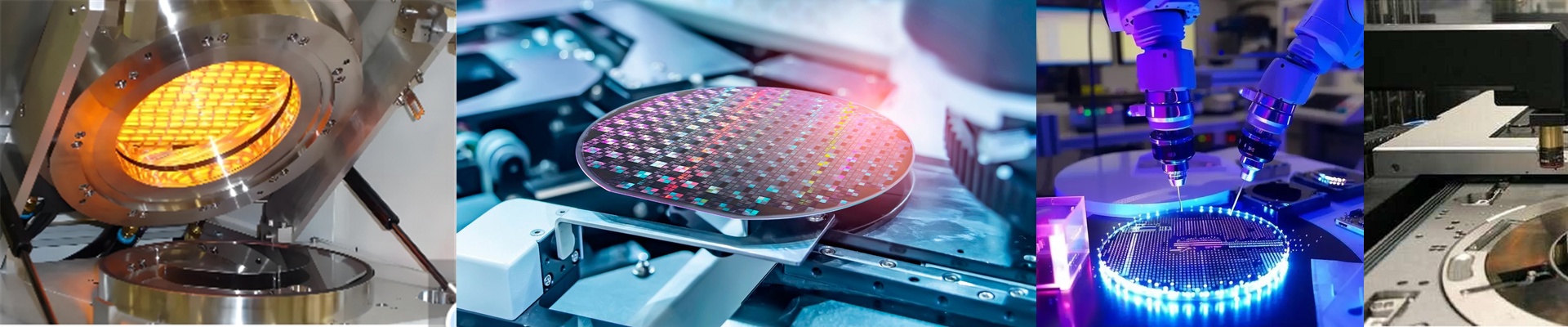
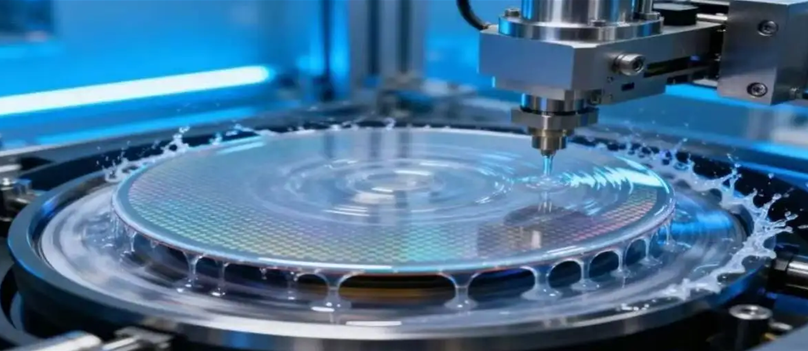
Here is the problem with most IR lamps: they blast heat in every single direction. When you’re heating a semiconductor wafer, you want that energy hitting the substrate. You definitely don’t want it soaking into the inner walls of a machine that cost a fortune. When your equipment acts like a giant heat sink, things get messy. You’re wasting power, and the machine frame starts to expand from the heat. It’s a headache you just don’t need. How directional heating actually works We fix this by ditching the basic quartz tubes. Instead, we use directional IR tech. Think of it like adding a reflector or a special coating to the back of the lamp. Instead of a 360-degree blast, the heat is forced forward. It narrows the beam. Now, you’ve got a concentrated punch of heat hitting the wafer, while the back of the lamp stays quiet. Your chamber walls stop getting scorched. Simple as that. Keeping your team (and your gear) safe Keeping the housing cool isn’t just about saving a few bucks on the electric bill. It’s about the people working on the machines. When those inner walls aren’t baking, your technicians aren’t risking a nasty burn during a quick-swap or a maintenance check. It just makes the whole shop safer. But a heads-up: you’ve got to get your power supplies right. These high-density emitters pull a lot of current. If you’re trying to ramp up a 300mm wafer quickly, make sure your cooling loops can handle that focal point. The walls might be cool, but the target is getting hit hard. The trade-off There is a catch, though. Because the heat is so focused, you lose that “soft” glow of a standard lamp. This means your PID tuning has to be spot on. If your wafer is off by just a few millimeters, you’ll see temperature swings across the surface. You’re trading that forgiving, wide heat for raw precision. For most, it’s a trade worth making.