Stop One Dead Lamp from Killing Your Whole Batch
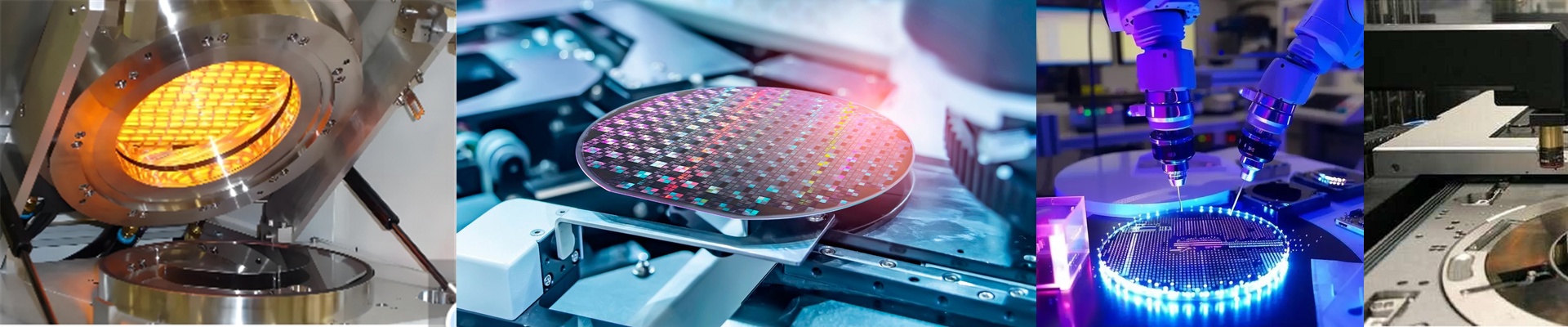
If you’re running high-load semiconductor production, you know the nightmare. One single IR lamp pops, and suddenly you’re not just dealing with a dead heater. You’re looking at a production zone showered in glass shards and tungsten filaments. One bad break can scrap an entire batch of wafers. It’s a mess. And it’s expensive. That’s exactly why we built our ceramic end caps.
Keeping the Mess Inside
Most standard IR lamps use these simple crimped seals. They’re fine for a while, but extreme thermal cycling eventually wears them down. They fatigue. They give way. We decided to swap those basic seals for high-purity ceramic end caps. Think of them as a physical shield. If the quartz envelope fails, the ceramic housing catches the debris. It stops that “explosion” effect from sending particles flying across your wafer surface.
Why Alumina?
We went with alumina ceramics for a specific reason: they play nice with quartz. Their thermal expansion is a close match. When you ramp up the heat quickly, you don’t get that nasty stress at the seal point that you’d see with metal. It means your electrical connection stays rock solid, even when the lamp is screaming at peak temperature. Plus, these caps are inert. When you’re working in high-vacuum or controlled-atmosphere chambers, the last thing you need is outgassing from some cheap glue or a low-grade alloy. These just stay put.
The Trade-off
Now, look—nothing is perfect. These caps add a bit of mass to the ends of the lamp. Before you swap them in, just double-check your fixture’s clamping pressure. You don’t want to over-tighten and crack the ceramic. You’re trading a little bit of mounting flexibility for a massive amount of peace of mind. If you’re running 24/7, this is the only way to make sure a burnt-out lamp doesn’t turn into a weekend-long cleaning project for your entire facility. Just check your tolerances, wire them into your current controllers, and you’re good to go.