
Making Outdoor Heat Actually Work with Your Smart Home
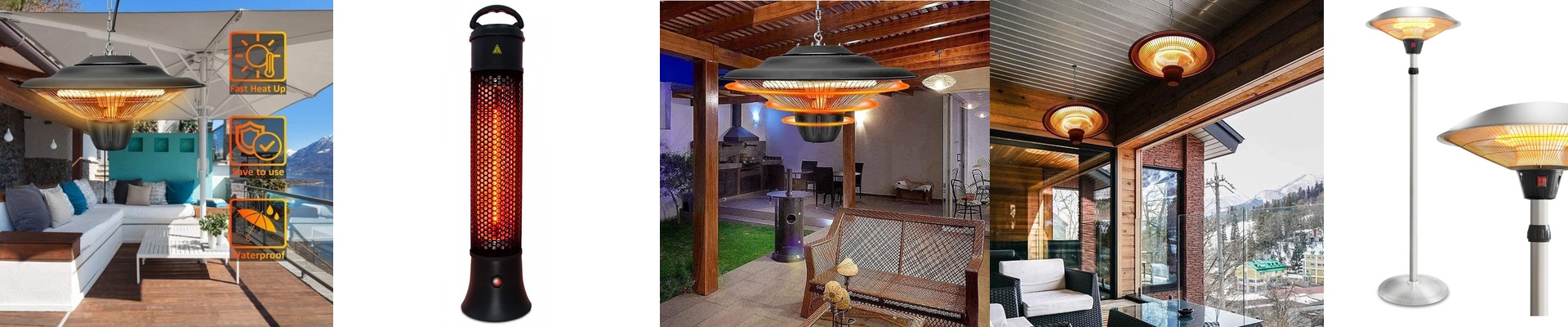
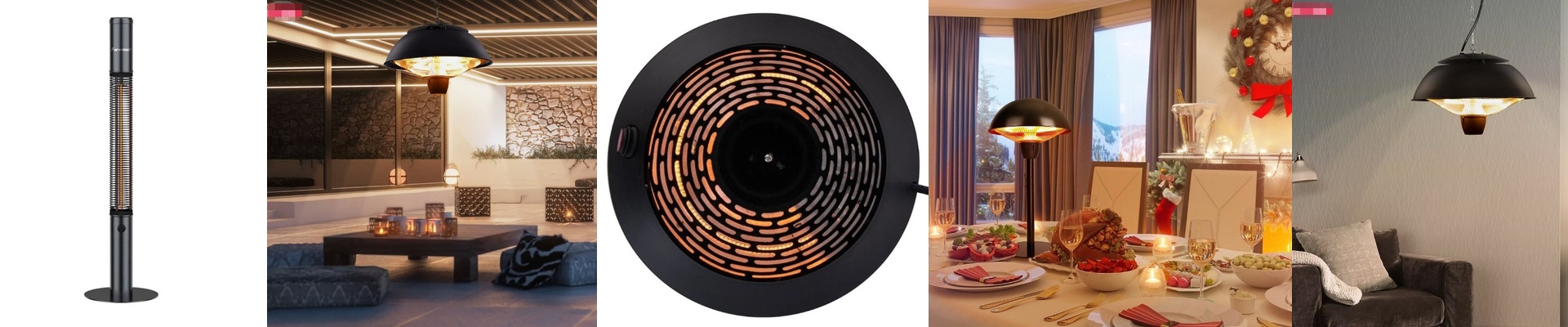
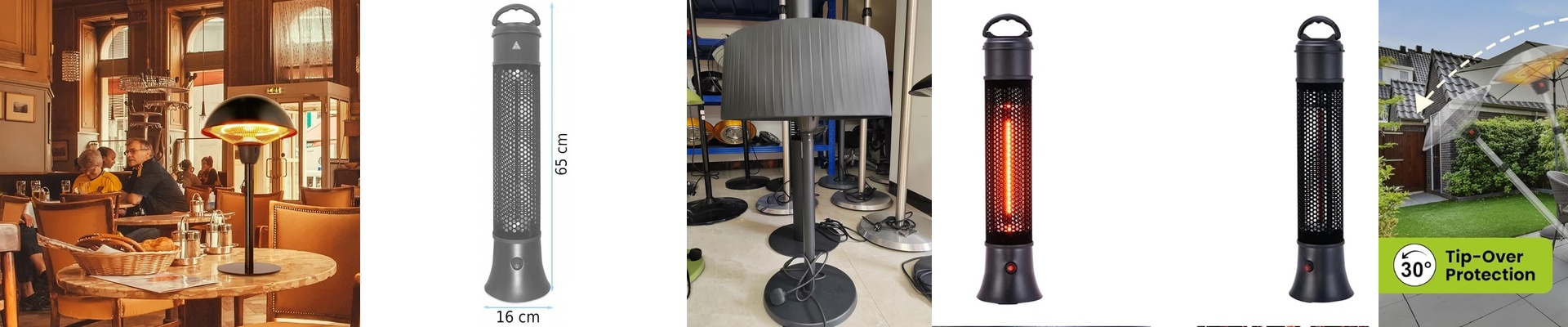
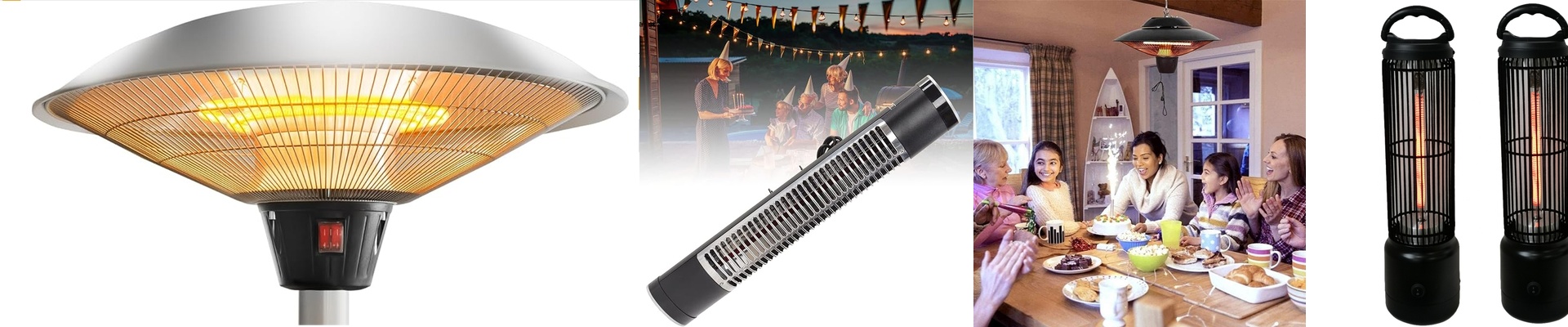
Look, you can’t just take a regular heater, toss it on a patio, and hope for the best. That’s a great way to fry your electronics or, worse, start a fire. If you want that “instant warmth” feeling the second you step outside, you need something IP65-rated. In plain English? It means the thing is sealed tight against dust and can take a decent spray of water. You can mount these in semi-exposed areas and not panic every time a rainstorm hits. Why infrared? Most heaters try to warm up the air. The problem is, if you’re outdoors, the wind just blows that warm air away. It’s a waste. Infrared is different. It beams heat directly onto you and the furniture around you. It feels like standing in the sun. Plus, the speed is incredible. You tap a button in your app, and the tungsten filament hits full temp in milliseconds. No waiting around shivering while the machine “warms up.” It’s just on. Getting it to talk to your house Connecting these to a smart hub isn’t always a plug-and-play deal because infrared lamps pull a ton of power the moment they kick in. To keep things from crashing, we use heavy-duty relays or TRIAC dimmers. Once that’s sorted, you can hook it up to a Zigbee or Matter controller. Now you’ve got a patio that turns on automatically at sunset or triggers when you open the back door. The stuff people usually forget Here is the catch: these units are power-hungry. If you put too many on one circuit, you’re going to trip your breaker. Fast. You’ll want to double-check your wiring gauge to make sure you aren’t losing voltage—because if the power drops, the heat drops, and you’re back to being cold. And since that IP65 seal keeps water out, it also keeps heat in. The internal electronics can get toasted if you aren’t careful. We use aluminum heat sinks to pull that heat away from the boards, but you still need to give the units some breathing room. Don’t cram them too close together. Give them space to breathe, or your smart relay might just give up the ghost during a long winter night.