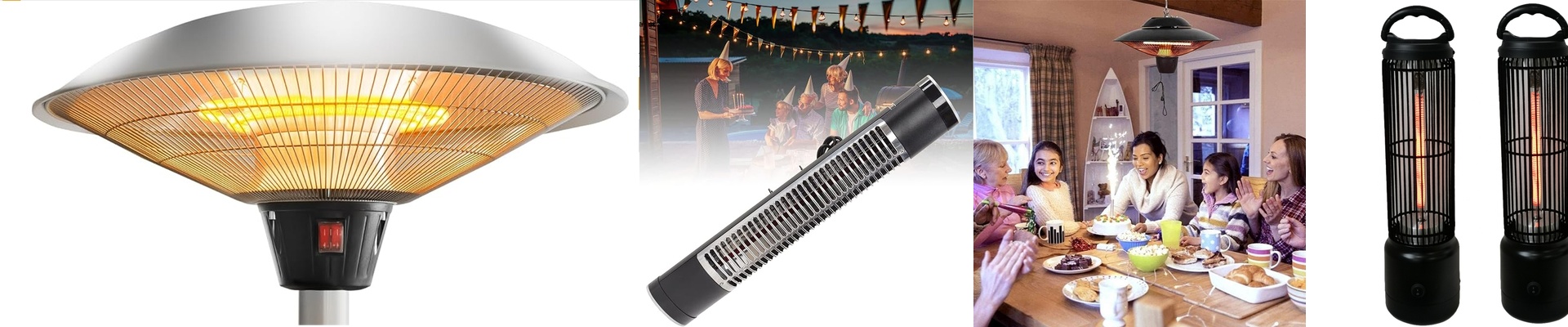
Keeping People Warm Outdoors (Without Wasting Your Budget)
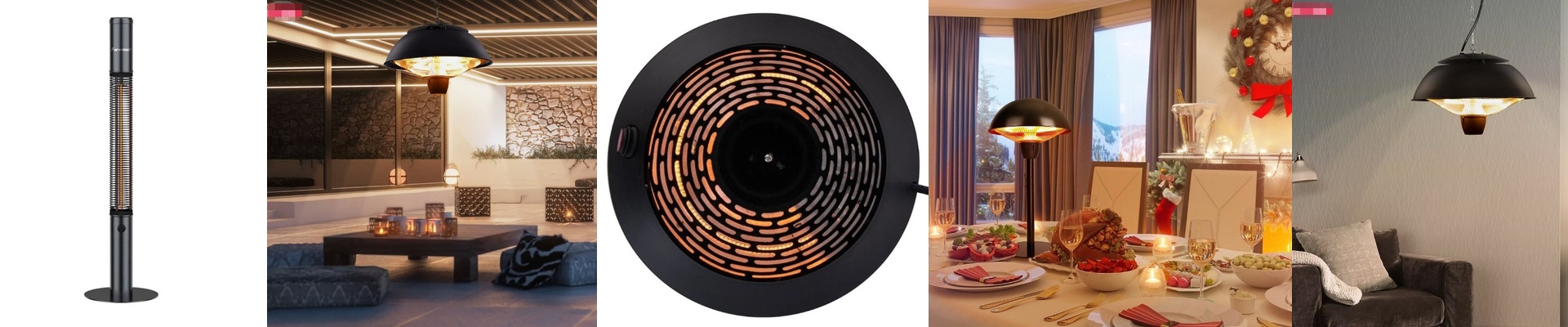
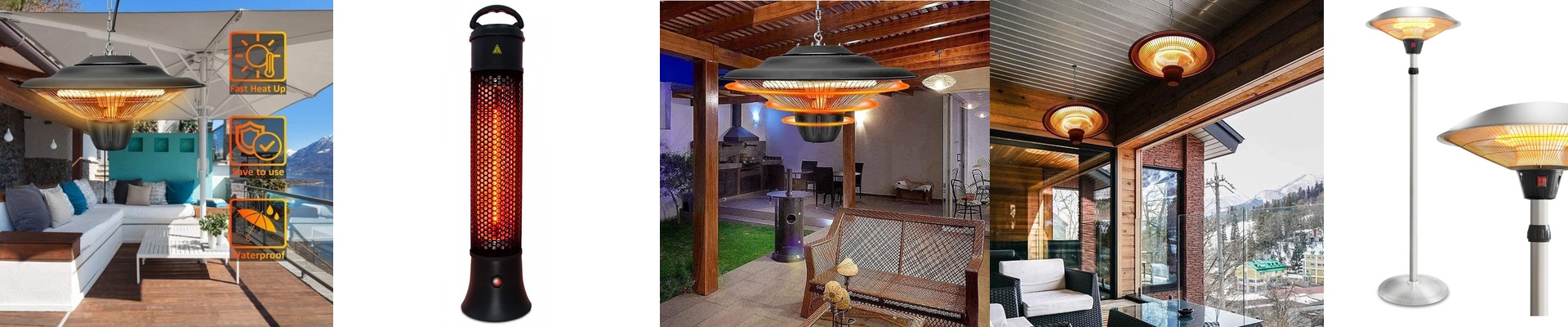
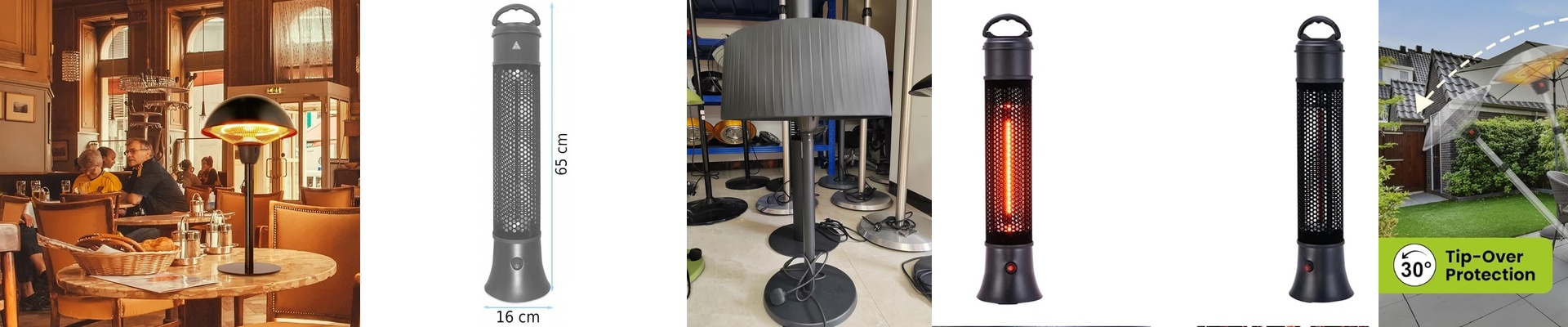
If you’re running a busy bar patio or a high-end changing area, you know the struggle. You turn on the heat, but the wind just carries it away. It’s frustrating. That’s why we stop trying to heat the air and start heating the people. We use shortwave infrared. Instead of warming up the breeze, it sends heat straight to the guest. It’s like stepping into a patch of sunlight on a winter day. How it actually works Inside these units, there are tungsten filaments tucked into quartz tubes. The second you flip the switch, they hit peak temperature. No waiting around. No “warming up” period. If someone walks into a freezing changing room, they feel that warmth instantly. Plus, you aren’t paying to heat the ceiling or the empty space in the room. You’re only heating the person standing there. It’s just smarter. Dealing with the elements Water and electricity don’t mix. We know that. To keep things safe in an outdoor bar setting, we use IP-rated housings. Basically, it keeps the rain and splashes away from the electrical guts so you don’t have a disaster on your hands. We also use high-grade quartz glass for the elements. It can handle the wild swing from freezing cold to blistering hot without cracking. But here is a heads-up: watch your power. Those high-wattage tubes give you that “five-star” cozy feel, but they pull a lot of current. If you’re putting in ten of these, make sure your breaker panel can actually handle the load. Nobody wants the power to cut out right when the patio is full on a Friday night. A few things to keep in mind for the install Shortwave heaters are fast, but they don’t “throw” the heat as far as other types. You’ll want to mount them closer to where people actually sit or stand to get that luxury feel. And please, don’t cheap out on the brackets. These things get hot—hot enough to warp flimsy aluminum if you haven’t given them enough breathing room. One last tip: check your voltage if you’re running long cables outdoors. If the voltage drops by the time it hits the heater, your heat output will tank. It’s a small detail, but it makes a huge difference in how warm your guests actually feel.