Making Bathroom Heaters Safe for the Whole Family
When you’re putting a heater in a bathroom, a waterproof shell is just the bare minimum. It’s actually a lot trickier than that—especially if there are babies or toddlers around. You have to think about the light. You want the warmth to hit the skin, but you definitely don’t want it hitting a child’s eyes with a blinding glare.
Keeping the glare away
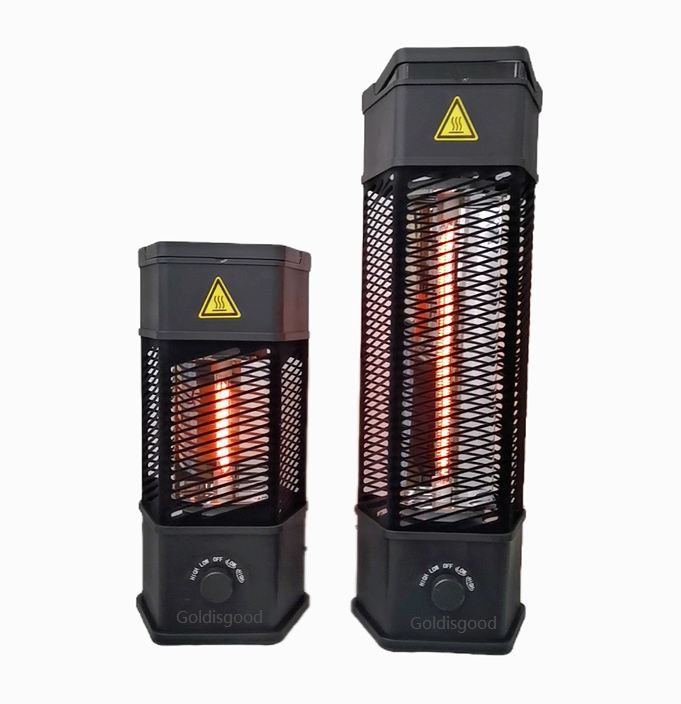
Most standard infrared lamps are way too bright. They put out this harsh, white light that’s honestly a bit stressful to look at. To fix this, we don’t just slap a piece of plastic over the bulb. Instead, we use special quartz coatings and filters that shift the light. It basically pushes the energy away from the visible spectrum and into the medium-to-long wave range. The result? You get all the cozy warmth, but without the blinding light. It’s a much gentler experience for sensitive eyes.
Dealing with water and heat
Now, let’s talk about that IP66 rating. In plain English, that means the thing is dust-tight and can handle a direct blast of water without quitting. We use high-temp silicone gaskets to seal the electrical parts. But here’s the catch: you can’t just glue a box shut and call it a day. If you do, the heater will choke and burn out. We’ve designed the housings with precision vents. It’s a balancing act—keeping the water out while letting the internal wiring breathe so it stays cool.
A few things to keep in mind
If you’re used to those industrial drying lamps that glow like a miniature sun, these will look a bit “dim” to you. That’s intentional. It’s the trade-off for making them safe for your eyes. Because they’re different, you’ve got to be smart about where you mount them. Too high, and you won’t actually feel the heat. Too low, and you might end up with a hot spot on the wall or ceiling. One last tip: give them their own dedicated circuit. They pull a decent amount of power when they first kick on, and you don’t want to be tripping breakers in the middle of a shower.