Why Outdoor Heaters Actually Short Out (And How to Stop It)
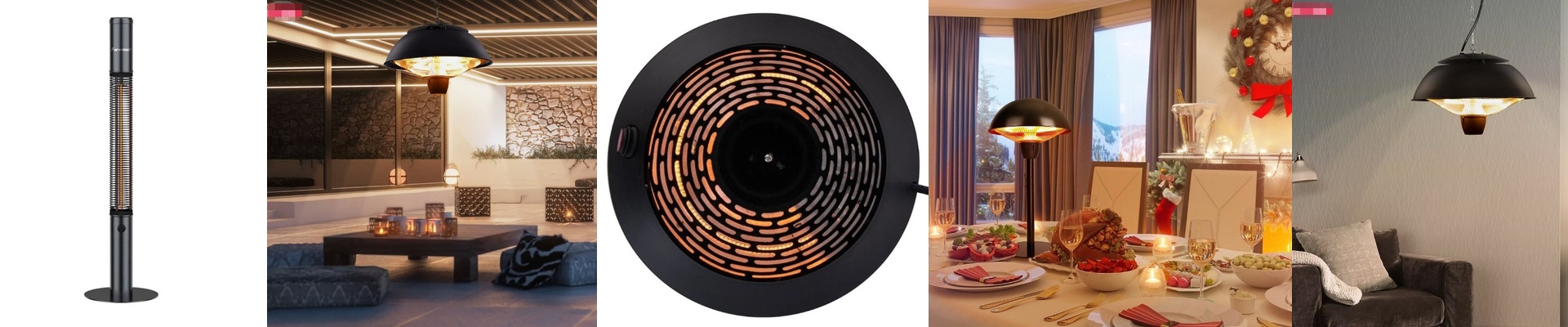
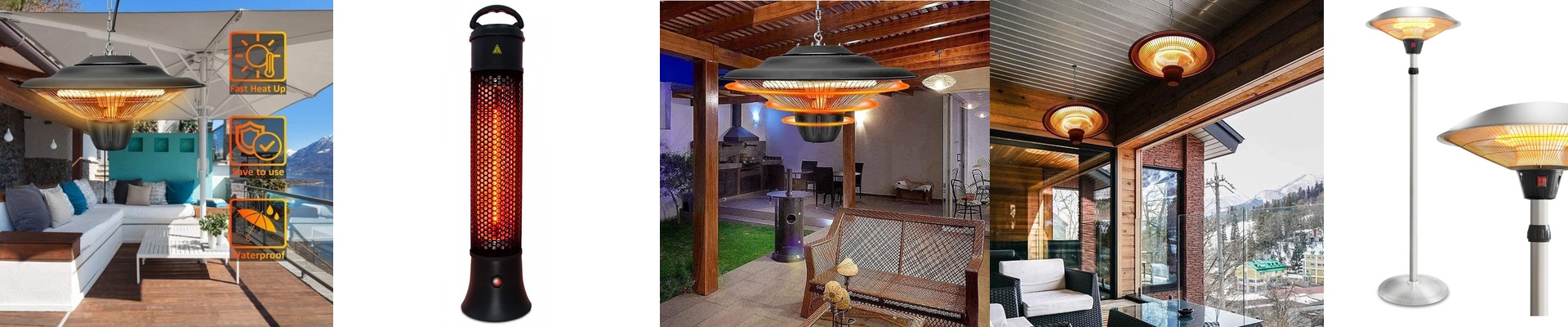
Putting an infrared heater in a pergola sounds simple, but it’s actually a brutal environment. You’ve got freezing rain and morning dew hitting components that get scorching hot. Most people think the heating element is what gives out first. It’s not. The real trouble starts at the lead-wire seal.
The problem with “cheap” seals
Here’s the thing: a lot of generic heaters just use some basic silicone or glue to plug the hole where the wire enters. In a backyard setting, that’s a recipe for disaster. As the heater warms up and cools down, that sealant expands and shrinks. Eventually, tiny micro-cracks form. Moisture sneaks in, hits the high-voltage wire, and—pop—you’ve got a short circuit. We see it all the time with low-end builds. The seal fails, oxidation eats the copper, and the insulation just burns out.
How we do it differently
We don’t just “glue” the wire and hope for the best. We use a mechanical compression fit combined with ceramic-grade potting compounds. It’s a heavy-duty approach that creates a tight seal capable of handling 300°C without breaking a sweat. And we swapped out the standard PVC wiring for fluoropolymers. Why? Because PVC melts. Fluoropolymers can take the heat and don’t care about the pollutants floating around outdoors. It means the electricity stays exactly where it belongs, even if you leave the heater cranking for hours.
One thing to keep in mind
There is a trade-off. Because this sealing is so beefy, the lead wire is stiffer. You can’t just bend these wires into a sharp angle like you can with those thin, cheap cables. If you kink the wire during install, you might actually crack the potting compound. Just make sure your mounting brackets give the wire a bit of breathing room—a natural curve, not a sharp fold. It’s a small detail, but it’s the difference between a heater that dies after one season and one that stays put for years. If the seal isn’t built to a professional standard, you’re basically just waiting for a short circuit to happen.