Why you should swap those old bathroom heat lamps for high-IP infrared heaters
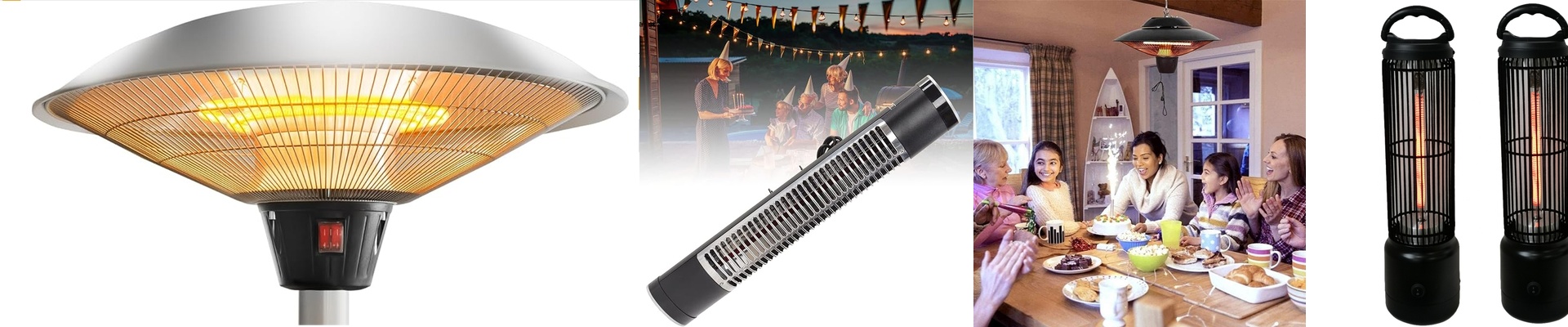
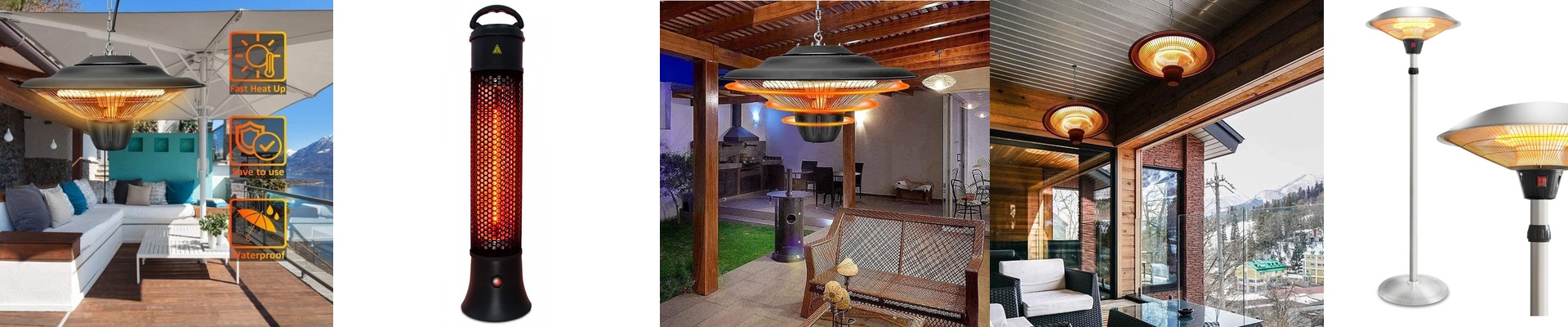
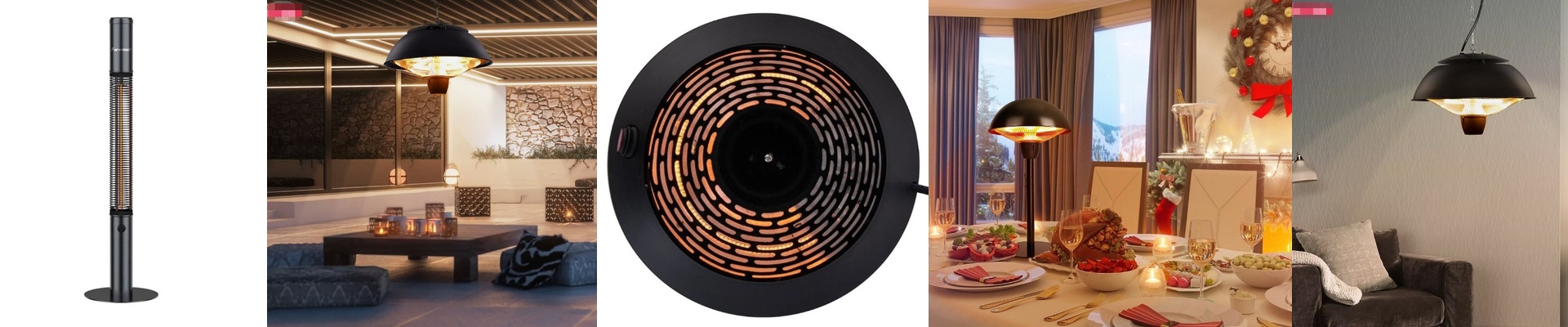
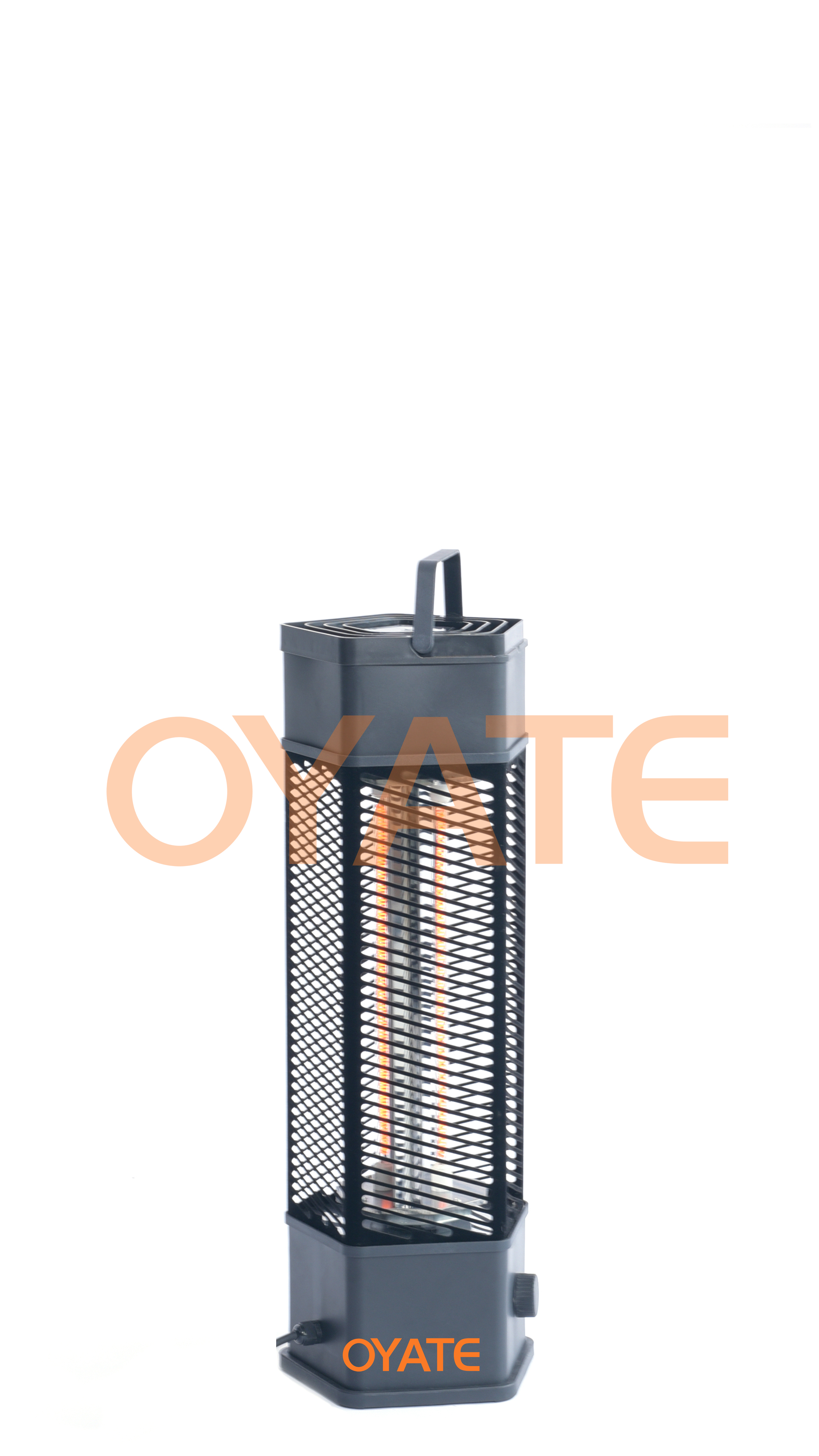
Let’s be honest: those old-school heat lamps in most bathrooms are kind of a joke. They’re basically just light bulbs that get hot, and they have almost zero protection against the one thing bathrooms have plenty of—moisture. The problem is that steam is aggressive. It finds every little gap in the insulation and eats away at the wiring. That’s why we’re seeing everyone move toward high-standard waterproof infrared heaters. They’re just built to survive the environment. The “Instant Warmth” Factor Here is the big difference. Most heaters try to warm up the air. But in a bathroom, that warm air just floats straight to the ceiling, leaving you shivering on the floor. Infrared is different. It sends out waves that heat you and the surfaces around you directly. You don’t have to stand around waiting for the room to warm up. You flip the switch, and you feel it immediately. It’s a total shift in how a morning shower feels. The Deal with IP Ratings You’ll hear people talk about “IP ratings.” In plain English? It’s just a measure of how good the seal is. Cheap lamps usually leak at the edges. We use high-grade gaskets and sealed housings because the last thing you want is a stray water droplet hitting an electrical terminal. When water hits the circuit, things short out or burn. A high IP rating basically means the guts of the heater stay bone-dry, even when your bathroom feels like a sauna. A Few Things to Watch During Install The good news is that these are usually drop-in replacements. You just wire them into your existing ceiling grid and you’re good to go. But—and this is a big “but”—check your circuit load first. Infrared heaters pull more power than a simple light bulb. If you’re putting a few of these in one area, make sure your wiring is thick enough to handle it. You don’t want your wires overheating behind the wall. Less Headaches, Longer Life When you seal the heating element away from the damp air, you stop the contacts from rusting and oxidizing. It means the bulb lasts way longer and the heat stays consistent. You won’t find yourself replacing the unit every six months just because the steam finally won the battle. It just works.